In Depth
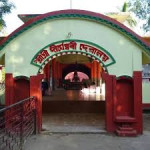
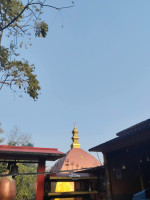
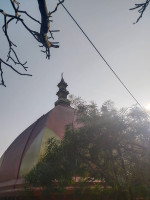
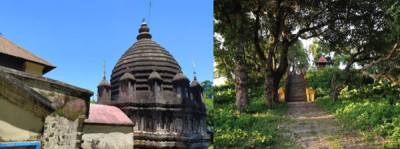
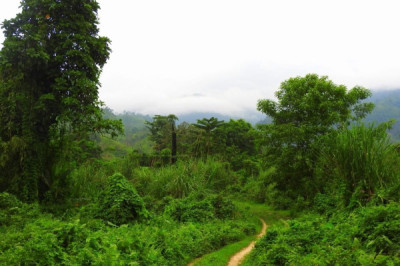
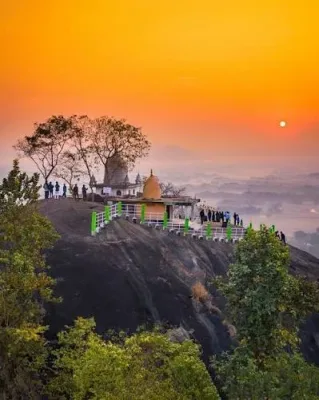
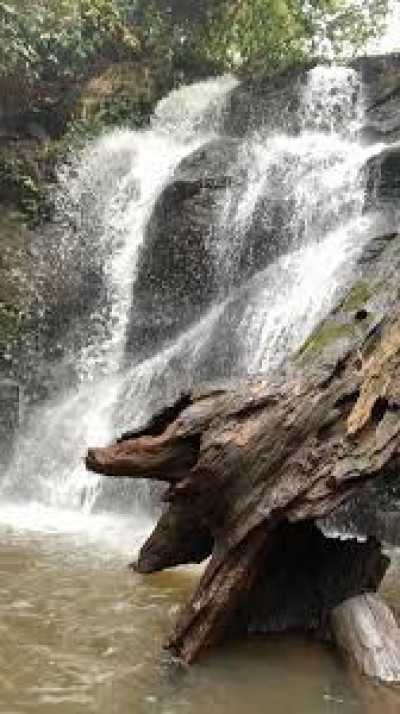
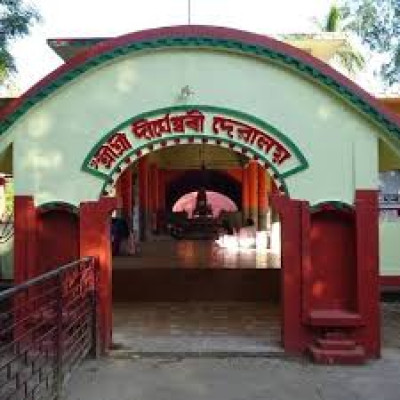
Perched at the foothills of Sitachal Hill, Dirgheswari Temple is surrounded by lush greenery and ancient rock formations, offering a serene spiritual atmosphere away from the bustle of Guwahati city. The temple is believed to have been a prominent center of Shakti worship since ancient times, attracting sages, devotees, and pilgrims from across Assam and neighboring regions.
Mythological Significance of Dirgheswari Temple
According to Hindu mythology, Dirgheswari Temple is associated with the legend of Goddess Sati. It is believed that when Lord Vishnu used the Sudarshan Chakra to dismember Sati's body, a sacred part fell on Sitachal Hill, making the place spiritually powerful. This connection places Dirgheswari among the important Shakti worship sites of Assam, complementing the Kamakhya Shakti Peeth across the river.
Local belief also states that Sage Markandeya performed intense penance at this site to please Goddess Durga. Pleased by his devotion, the Goddess appeared and blessed him, further sanctifying the temple grounds. Footprints engraved on the rocks near the shrine are believed to belong to Goddess Durga herself and are worshipped with deep reverence.
Historical Background of Dirgheswari Temple
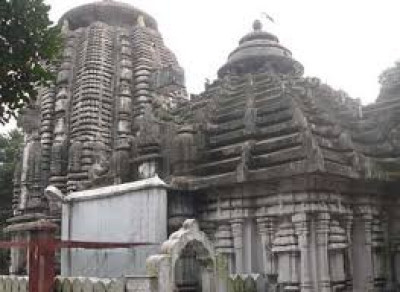
The present structure of Dirgheswari Temple dates back to the Ahom period. The temple was constructed during the reign of Swargadeo Siva Singha between 1714 and 1744 CE, under the supervision of the Ahom viceroy Tarun Duwarah Barphukan. Built using bricks atop a solid rocky hill, the temple reflects traditional Assamese temple architecture.
The sanctum sanctorum (garbha griha) is located underground in a cave-like chamber, which is a distinctive feature of many ancient temples in Assam. Stone inscriptions found within the temple premises mention royal grants of land and resources for the maintenance of temple rituals. The Archaeological Survey of India recognizes Dirgheswari Temple as a protected historical monument.
Religious Practices and Festivals at Dirgheswari Temple
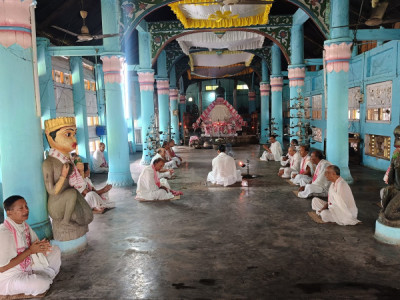
Dirgheswari Temple becomes especially vibrant during Durga Puja, celebrated between September and October. Thousands of devotees gather to witness the grand rituals, including the traditional buffalo sacrifice, which symbolizes the victory of Goddess Durga over Mahishasura. This practice makes Dirgheswari Temple unique among Durga temples in India.
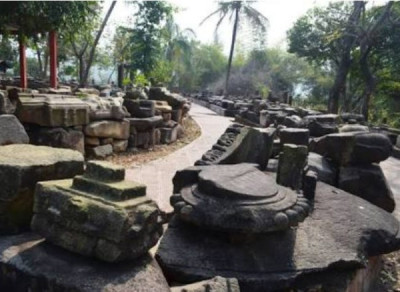
Other important festivals observed here include Shivratri and Navratri, during which special prayers and spiritual ceremonies are conducted. The temple complex also features rock-cut images of Lord Ganesha, Shiva, Shakti, Hanuman, and other deities, some of which are believed to date back to the 11th or 12th century.
How to Reach Dirgheswari Temple?
Dirgheswari Temple is located about 30 km from Guwahati city by road. Visitors can reach the temple in two main ways:
-
By Road: One can drive via North Guwahati through a scenic route surrounded by hills and rivers.
-
By Ferry or Ropeway: The most popular option is to cross the Brahmaputra River by ferry or ropeway from Guwahati and then travel around 5 km by taxi or auto-rickshaw. This route is shorter, affordable, and offers beautiful river views.
Best Time to Visit Dirgheswari Temple
The ideal time to visit Dirgheswari Temple is between October and March, when the weather is pleasant and suitable for sightseeing. Durga Puja season is the best time for devotees seeking a vibrant spiritual experience, while nature lovers may prefer the quieter winter months.
Visitors should note that during Ambubachi Mela (June-July), the sanctum of many temples in Assam, including Dirgheswari, remains closed for a few days as per tradition.
Where to Stay Near Dirgheswari Temple?
There are no major hotels near the temple itself, but visitors can find a wide range of accommodations in Guwahati city, including budget hotels, guest houses, and luxury stays. Areas like Paltan Bazaar, Pan Bazar, and Fancy Bazaar are convenient for travelers and offer easy transport options to North Guwahati.
Why Visit Dirgheswari Temple?
Dirgheswari Temple offers a unique blend of mythology, history, natural beauty, and spiritual depth. Its peaceful setting, ancient rock carvings, and strong Shakti traditions make it a must-visit destination for pilgrims, historians, and tourists exploring Assam.
Quick Info Table on Dirgheswari Temple
| Attribute | Details |
|---|---|
| Location | North Guwahati, Assam |
| Deity | Goddess Durga |
| Temple Type | Shakti Temple |
| Built By | Ahom King Swargadeo Siva Singha |
| Built In | 18th Century |
| Best Time to Visit | October to March |
| Famous Festival | Durga Puja |
| Distance from Guwahati | Approx. 30 km |
| Nearest City | Guwahati |
| Entry Fee | Free |
FAQs on Dirgheswari Temple
Q1. Where is Dirgheswari Temple located?
Dirgheswari Temple is located in North Guwahati on the northern bank of the Brahmaputra River in Assam.
Q2. Which goddess is worshipped at Dirgheswari Temple?
The temple is dedicated to Goddess Durga and is an important Shakti worship site.
Q3. Is Dirgheswari Temple a Shakti Peeth?
Dirgheswari is considered a subsidiary Shakti Peeth associated with Kamakhya Temple.
Q4. What is the best time to visit Dirgheswari Temple?
October to March is the best time due to pleasant weather and festivals.
Q5. How far is Dirgheswari Temple from Guwahati?
The temple is approximately 30 km from Guwahati by road.
Q6. Can Dirgheswari Temple be reached by ferry?
Yes, visitors can take a ferry or ropeway across the Brahmaputra and then travel by road.
Q7. Is animal sacrifice practiced at Dirgheswari Temple?
Yes, buffalo sacrifice is traditionally performed during Durga Puja.
Q8. Who built the present Dirgheswari Temple?
The temple was built during the Ahom reign by King Swargadeo Siva Singha.
Q9. Are there hotels near Dirgheswari Temple?
Most accommodation options are available in Guwahati city.
Q10. Why is Dirgheswari Temple famous?
The temple is famous for its Shakti worship, Durga Puja rituals, and ancient rock carvings.