In Depth
The history of Barpeta Satra is closely connected with Mathura Das Burha Ata, who became its first Satradhikar. He strengthened the organisation of the Satra and introduced an administrative system that encouraged community participation. The institution also became a meeting point for people from different social backgrounds who followed the teachings of Neo-Vaishnavism. This historical role makes Barpeta Satra more than a religious destination; it is an important part of Assam's cultural heritage.
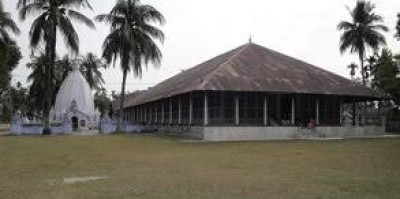
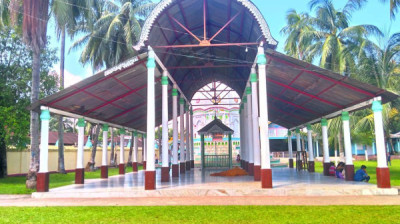
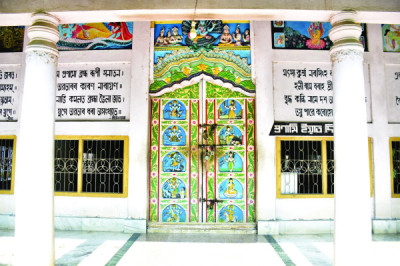
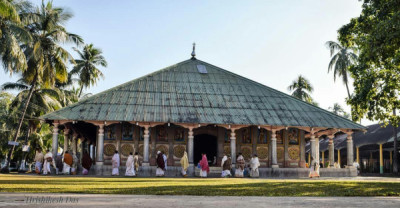
The central attraction of the complex is the Kirtan Ghar, a large prayer and devotional hall where Nam-Kirtan and other religious activities are conducted. The Kirtan Ghar contains Guru Asanas associated with the great Vaishnavite teachers and reflects the distinctive religious traditions of the Satra. The Bhaj Ghar, also known as Manikut, is another significant structure within the complex and is associated with sacred objects, religious practices and the continuously maintained Akshay Banti, a traditional lamp regarded as an important symbol of spiritual continuity.
The Satra complex contains several other historically and culturally significant structures, including the Pat Chang, Sabha Ghar, Jagmohan Griha, Bhagawat Griha, Math, Atithi Griha, Ranga Mancha and the Doul structure. These buildings collectively demonstrate how a Satra traditionally functioned as a centre for worship, education, cultural activities, community meetings and social interaction.
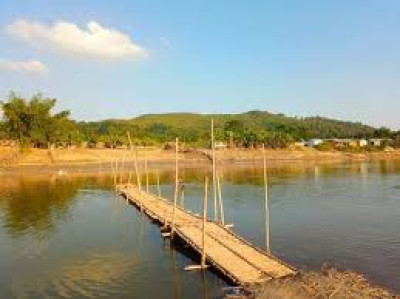
A canal known as Hari Jaan runs along the eastern side of the Satra complex. Its bank, known as Khatkhati, is traditionally associated with the religious life of the Satra. Several heritage locations within the complex are connected with prominent disciples and followers of Srimanta Sankardev and Madhabdeva. The premises also preserve traditions associated with Sankari culture, devotional literature and Sattriya practices.
Barpeta Satra is particularly famous for its religious festivals and cultural programmes. Doul Mahotsav, the traditional celebration associated with Holi, is one of the most prominent events of Barpeta Satra. The festival brings together devotees, artists and visitors and showcases devotional music, prayers, traditional rituals and the cultural heritage of Barpeta. Other religious observances and cultural activities throughout the year also make the Satra an important destination for those interested in Assamese traditions.
The Satra has also contributed to the preservation of Borgeet, Sattriya dance, Bhaona and other elements of Sankari culture. Visitors interested in Assamese history and culture can observe how spirituality, literature, music and community traditions remain connected within the institution.
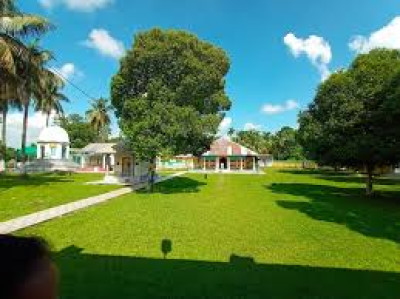
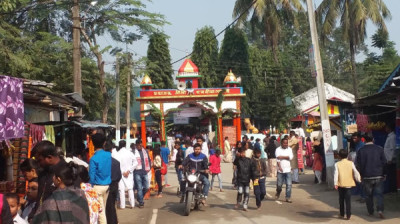
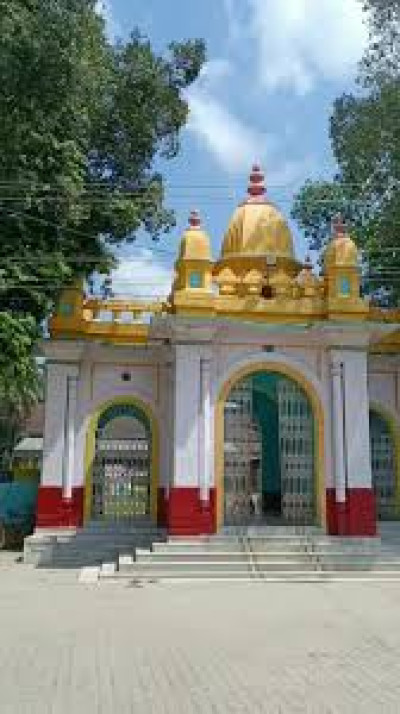
The architecture and layout of Barpeta Satra are another reason to visit. The complex has traditional entrance structures, prayer halls, open community spaces and other buildings arranged around the central religious area. Visitors should respect the religious character of the premises, follow local instructions and maintain appropriate behaviour while visiting prayer areas.
Barpeta Satra is located in Barpeta town and can be visited as part of a cultural tour of western Assam. Nearby attractions include other historic Satras and Vaishnavite centres such as Patbaushi Satra, while destinations in the wider region can be combined with a trip to places such as Baghbar Hill and other attractions of Barpeta district.
The best time to visit Barpeta Satra is generally from October to March because of the more comfortable weather. However, travellers interested in experiencing the cultural celebrations may plan their trip around Doul Mahotsav or other important religious occasions. Festival dates and visitor arrangements may vary each year, so it is advisable to confirm the schedule locally before travelling.
How to Reach Barpeta Satra from Guwahati?
Barpeta Satra is accessible from Guwahati by road and rail. From Guwahati, travellers can take a bus, shared vehicle, taxi or private car towards Barpeta. Depending on the selected route and road conditions, the road distance may vary. Regular public and private transport services connect Guwahati with Barpeta and nearby towns.
By train, Barpeta Road Railway Station is the nearest major railway station, located roughly 20 km from Barpeta town according to the supplied travel references. From the station, visitors can hire an auto-rickshaw, shared vehicle, taxi or local transport to reach Barpeta town and the Satra.
For air travellers, Lokpriya Gopinath Bordoloi International Airport in Guwahati is the nearest major airport. From the airport, visitors can continue their journey to Barpeta by private taxi or other road transport.
Where to Stay at Barpeta Satra?
Visitors can stay in Barpeta town, where budget hotels, guest houses and local accommodation are available. Barpeta Satra also has an Atithi Griha and dormitory-style accommodation associated with the Satra for pilgrims and visitors, subject to availability and approval from the Satra administration. Travellers who wish to stay within the Satra premises should contact the administrative office in advance rather than assuming accommodation will be available.
Whom to Contact for Visit Barpeta Satra?
For information about Satra activities, accommodation, festival schedules, religious programmes or visitor arrangements, travellers should contact the Barpeta Satra administrative office. The contact numbers supplied for this page are +91 8088379983, +91 9845991455 and +91 9957210488. As contact details and arrangements can change, visitors should verify the numbers and accommodation availability before travelling.
Barpeta Satra offers an opportunity to experience the spiritual traditions and living cultural heritage of Assam. Its connection with Madhabdeva, Mathura Das Burha Ata, Sankari culture, devotional literature, music, festivals and traditional architecture makes it an important destination for pilgrims, history enthusiasts, cultural travellers and anyone interested in discovering the heritage of Assam.
Quick Info about Barpeta Satra
| Information | Details |
|---|---|
| Name | Barpeta Satra |
| Location | Barpeta Town, Assam, India |
| District | Barpeta |
| Type | Satra, Religious and Cultural Heritage Site |
| Founded by | Mahapurush Srimanta Madhabdeva |
| Historical period | 16th century |
| First Satradhikar | Mathura Das Burha Ata |
| Main attraction | Kirtan Ghar |
| Major festival | Doul Mahotsav |
| Nearest railway station | Barpeta Road Railway Station |
| Nearest airport | Lokpriya Gopinath Bordoloi International Airport, Guwahati |
| Best time to visit | October to March |
| Recommended for | Pilgrimage, history, culture, architecture and heritage tourism |
| Accommodation | Barpeta town hotels and Satra guest accommodation subject to availability |
| Main language | Assamese |
| State | Assam, India |
FAQs about Barpeta Satra
1. What is Barpeta Satra famous for?
Barpeta Satra is famous for its Vaishnavite traditions, historical connection with Madhabdeva and Mathura Das Burha Ata, Kirtan Ghar, Sankari culture and the grand Doul Mahotsav.
2. Who founded Barpeta Satra?
Barpeta Satra was established by Mahapurush Srimanta Madhabdeva in the 16th century. It later developed into one of Assam's important centres of Neo-Vaishnavite culture.
3. Where is Barpeta Satra located?
Barpeta Satra is located in the heart of Barpeta town in Barpeta district of Assam, India.
4. What is the main attraction of Barpeta Satra?
The Kirtan Ghar is one of the principal attractions of Barpeta Satra. It is the central prayer and devotional space where traditional religious activities are conducted.
5. What is Doul Mahotsav at Barpeta Satra?
Doul Mahotsav is the traditional Holi-related festival celebrated at Barpeta Satra. It is known for devotional rituals, cultural activities, music and participation by large numbers of devotees and visitors.
6. How can I reach Barpeta Satra from Guwahati?
Barpeta Satra can be reached from Guwahati by road using buses, shared vehicles, taxis or private cars. Travellers can also take a train towards Barpeta Road Railway Station and continue by local transport to Barpeta town.
7. What is the nearest railway station to Barpeta Satra?
Barpeta Road Railway Station is the nearest major railway station and is approximately 20 km from Barpeta town. Local taxis, buses and other transport are available for the onward journey.
8. Where can I stay when visiting Barpeta Satra?
Visitors can stay at hotels, guest houses and other accommodation in Barpeta town. The Satra also has guest-house and dormitory facilities for pilgrims and visitors, subject to availability and prior approval.
9. What is the best time to visit Barpeta Satra?
October to March is generally a comfortable period to visit because of the pleasant weather. Visitors who want to experience Doul Mahotsav should plan according to the festival calendar for that particular year.
10. Is Barpeta Satra open to tourists?
Barpeta Satra is a religious and cultural institution that can be visited by travellers and tourists. Visitors should maintain silence and respectful behaviour in prayer areas and follow instructions issued by the Satra authorities.