Detailed Notes
Key Phases of the Assamese Language Movement:
-
Early Resistance (19th Century):
-
After Assam’s annexation by the British in 1826, the colonial government replaced Assamese with Bengali in administration and education (1836).
-
Assamese intellectuals like Anandaram Dhekial Phukan and Hemchandra Barua led the movement to reinstate Assamese, which succeeded in 1873.
-
-
Post-Independence Movements (20th Century):
-
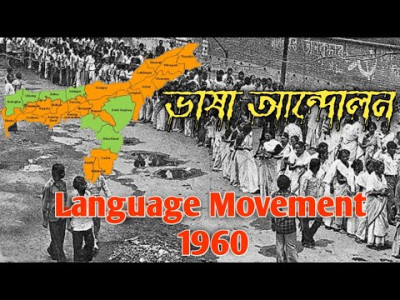
The Assamese Language Movement of 1960 was one of the most significant, sparked by the demand to make Assamese the official state language.
-
It intensified during the Assamese Official Language Act of 1960, which declared Assamese the official language of Assam, leading to protests and unrest in the Barak Valley.
-
-
Barak Valley Language Movement (1961):
-
In response, the Bengali-speaking population of Barak Valley protested against the imposition of Assamese.
-
On 19 May 1961, 11 people were killed in Silchar during police firing, making it a turning point in Assam’s linguistic history.
-
Importance of the Assamese Language Movement:
-
Established Assamese as an official language and symbol of identity.
-
Strengthened Assamese nationalism and cultural pride.
-
Highlighted the linguistic diversity of Assam, balancing Assamese with Bengali and other indigenous languages.