Detailed Notes
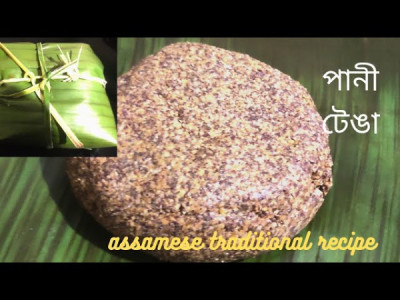
What is Panitenga?
Panitenga is made by fermenting mustard seeds with water and sometimes rice, allowing natural microbes to develop a sour, tangy, and slightly spicy flavor. This fermentation process not only enhances the taste but also increases the nutritional value of mustard seeds.
Health Benefits of Panitenga
-
Rich in Probiotics: Supports gut health and improves digestion.
-
High in Antioxidants: Helps protect the body from oxidative stress.
-
Boosts Immunity: Fermentation enhances bioavailability of nutrients.
-
Aids Metabolism: Contains enzymes that improve metabolic processes.
How to Make Authentic Assamese Panitenga – Traditional Recipe
Ingredients:
-
1 cup mustard seeds
-
1 cup cooked rice (optional)
-
Water as needed
-
Clean jar or earthen pot for fermentation
Method:
-
Soak mustard seeds in water overnight.
-
Grind soaked mustard seeds coarsely with cooked rice if using.
-
Mix the ground mustard and rice with some water to form a thick batter.
-
Transfer the mixture to a clean jar or earthen pot.
-
Cover loosely and leave it to ferment at room temperature for 3-5 days, stirring once daily.
-
Once fermented, Panitenga is ready to use as a condiment or cooking ingredient.
How to Use Panitenga in Cooking
-
Added to vegetable or fish curries for tanginess.
-
Served as a spicy condiment alongside rice.
-
Mixed with greens or used in chutneys.
Panitenga is more than just a condiment — it is a culturally significant food that enriches Assamese meals with unique flavors and health benefits.