Detailed Notes
Historical and Cultural Background
This festival has its origins in the agrarian lifestyle of Assam. Farmers would organize communal gatherings before starting cultivation on new land, seeking blessings for a good harvest and protection from natural calamities. Over time, it evolved into a festival that represents unity, hard work, and respect for nature.
Rituals and Celebrations
-
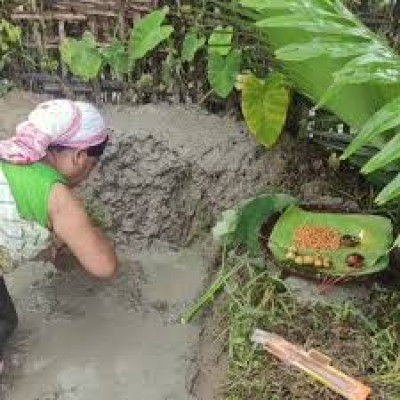
Farmers traditionally plough the land and perform rituals to honor deities connected with agriculture.
-
Villagers gather together, sharing food, traditional rice beer, and folk songs.
-
Cultural performances such as dances and dramas are staged to celebrate the spirit of community.
-
The rituals highlight the bond between humans, soil, and nature, showing deep respect for the agrarian way of life.
Significance of the Festival
The No Bhui Rua Festival is not just about farming; it is about preserving Assamese heritage and community spirit. It reminds people of the importance of agriculture, cooperation, and gratitude towards the earth.
In today’s time, the festival also attracts cultural researchers and visitors who wish to experience the authentic rural traditions of Assam.
In summary, the No Bhui Rua Festival of Assam is a unique cultural celebration that combines agriculture, rituals, and community bonding, making it an integral part of Assamese heritage.