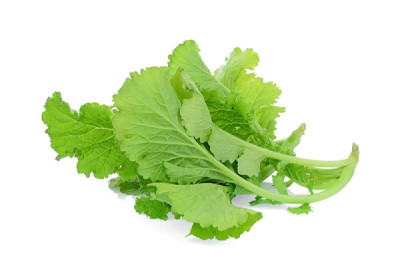
Detailed Notes
Nutritional Benefits of Lai Xaak
-
Rich in Vitamins: High in Vitamin A, Vitamin C, and Vitamin K.
-
Packed with Minerals: Contains calcium, magnesium, and iron for strong bones and better immunity.
-
Supports Heart Health: Mustard greens are known for their heart-friendly nutrients.
-
High in Antioxidants: Helps fight free radicals and boosts overall wellness.
Cultural Importance in Assam
In Assam, Lai Xaak is more than just a vegetable—it’s a part of winter food traditions. It is a key ingredient in many household kitchens and is often paired with vegetables, fish, pork, or fermented bamboo shoots for enhanced flavor.
How to Cook Lai Xaak – Traditional Assamese Recipe
Ingredients:
-
2 cups fresh Lai Xaak (washed and chopped)
-
1 medium potato or brinjal (optional, diced)
-
2–3 cloves garlic (crushed)
-
1–2 green chilies (slit)
-
2 tablespoons mustard oil
-
Salt to taste
Method:
-
Heat mustard oil in a pan until it releases a smoky aroma.
-
Add crushed garlic and green chilies, sauté for a few seconds.
-
Add diced potato or brinjal and fry for 2–3 minutes.
-
Add chopped Lai Xaak, sprinkle salt, and stir well.
-
Cover and cook on low flame for 5–6 minutes until soft and flavorful.
-
Serve hot with steamed rice for an authentic Assamese meal.
Popular Variations
-
Lai Xaak with fish head (Lai Xaak Maasor Mukh) – a festive favorite.
-
Lai Xaak with pork – a popular dish in Assamese tribal cuisine.
-
Lai Xaak with bamboo shoots – for a tangy, traditional twist.
With its unique mustardy taste and rich nutrient profile, Lai Xaak remains a wintertime star in Assamese households, offering both flavor and health in every bite.