Detailed Notes
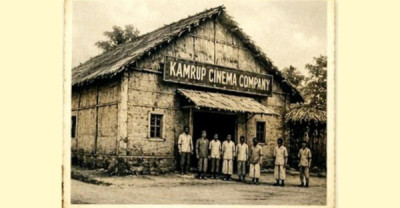
Owned by Rafiqul Rasul, a local landholder and relative of Fakhruddin Ali Ahmed, the cinema hall was simple in structure but rich in cultural importance. Built using bamboo mat walls and a clay-leveled floor, it had a seating capacity of around 50 to 60 people. The arrangement included wooden chairs, benches, and bamboo mats, with ticket prices ranging from one anna to twelve annas, making it accessible to people from different backgrounds.
The Kamrup Cinema Company screened silent films using a 16mm projector on a large screen. Despite the absence of sound, audiences were deeply engaged, especially during performances by global icons like Charlie Chaplin, whose expressions brought laughter and excitement to viewers. Before each show, a small musical group performed behind the screen, followed by a whistle that signaled the beginning of the film.
At a time when cinema halls were rare in India, this theatre became a center of curiosity and entertainment in Guwahati. Although it later evolved and eventually disappeared, its legacy remains an important chapter in the cultural history of the city, symbolizing the early fascination with cinema in Assam.