Life & Legacy
Dr. Imran Hussain Biography: Agricultural Scientist and Former Joint Director of Agriculture, Assam
Early Life and Academic Background
Dr. Imran Hussain pursued higher education in agricultural sciences with a focus on horticulture. He completed his doctoral studies at Assam Agricultural University, one of the premier institutions in Northeast India for agricultural research and development. His academic training equipped him with in-depth knowledge of crop science, soil management, plant protection, and sustainable farming systems.
His strong academic foundation later helped him apply research-based knowledge directly to the fields of rural Assam, bridging the gap between laboratory research and real-world agricultural practice.
Career in the Department of Agriculture, Assam
Dr. Imran Hussain served the Government of Assam in various capacities and eventually retired as Joint Director of Agriculture. During his service, he also worked as an Extension Coordinator under the Agricultural Technology Management Agency (ATMA) for eight years, a role that became a defining chapter of his career.
ATMA is a key initiative aimed at strengthening agricultural extension services and ensuring that scientific advancements reach farmers at the grassroots level. Under his leadership, the agency focused on demonstration-based learning, farmer training programs, and diversified agricultural practices.
Transformation of Rural Farming Practices
One of the most significant contributions of Dr. Imran Hussain was the transformation of traditional farming systems into diversified and income-oriented agricultural models. He emphasized that farmers should not rely solely on single-crop cultivation but instead adopt multiple income streams through crop diversification, animal husbandry, fisheries, and value addition.
Through practical demonstrations in villages, he convinced farmers to adopt improved technologies. His approach was simple yet effective: show the results first, then encourage replication. Farmers who witnessed successful demonstration plots were motivated to adopt similar techniques in their own fields.
Promotion of Diversified Farming
Dr. Hussain introduced several diversified farming practices across different regions of Assam:
-
Potato cultivation in Kaliapani and Teok after the harvest of sali rice, promoting double cropping.
-
Gladiolus flower cultivation in Sukanjan and Titabar, encouraging horticultural diversification.
-
Garlic farming in Majuli, improving income from spice cultivation.
-
Bottle gourd cultivation in Hatichungi and Chipahikhola Gaon.
-
Utilization of front yard spaces in Sukanjan for vegetable cultivation, a new initiative that encouraged household-level farming.
By promoting double cropping and efficient land utilization, he significantly increased farm productivity and income levels.
Animal Husbandry and Allied Activities
Understanding that sustainable rural development requires multiple income sources, Dr. Hussain encouraged animal husbandry and allied activities. His initiatives included:
-
Breeding of Kalinga varieties of Kuroiler chickens in Selenghaat Gohain Gaon.
-
Goat farming in Bogar Gaon, Titabar, which later showed remarkable improvement through goat upgradation programs.
-
Encouraging fishery, hatchery development, and integrated livestock systems.
The goat upgradation initiative, introduced through the ATMA project, created a noticeable economic impact on rural households by improving breed quality and productivity.
Supply of Agricultural Inputs
A key component of his strategy was ensuring that farmers had access to essential agricultural inputs. He facilitated the supply of high-quality seeds, fertilizers, and vermicompost to farmers. By promoting organic manure such as vermicompost, he supported environmentally sustainable farming practices.
This systematic distribution of inputs, combined with technical guidance, allowed farmers to increase yields and reduce dependency on outdated farming techniques.
Integrated Pest and Disease Management
Dr. Imran Hussain also played a significant role in promoting Integrated Pest and Disease Management (IPDM). Through technical training sessions organized in collaboration with projects such as APART in Assam, he educated farmers about scientific pest control methods, weeding control, and improved cultural practices.
Integrated pest management reduced excessive chemical use and improved crop health, resulting in better quality produce and higher market value.
World Bank Supported Initiatives
With support from the World Bank funded Assam Agricultural Competitiveness Project (AACP), Dr. Hussain worked alongside a dedicated team of officials to modernize farming practices. These initiatives aimed to attract young people to agriculture by demonstrating that farming could be profitable, technology-driven, and sustainable.
By promoting direct marketing and value addition of agricultural products, he helped farmers move beyond traditional middlemen-based systems. This approach enhanced profit margins and empowered farmers to take control of their produce.
Impact on Rural Livelihoods
The impact of Dr. Imran Hussain work can be measured in terms of increased agro-productivity, improved incomes, and enhanced confidence among farmers. Villages that adopted diversified farming models reported better economic stability. Farmers who once depended on seasonal income began generating revenue throughout the year.
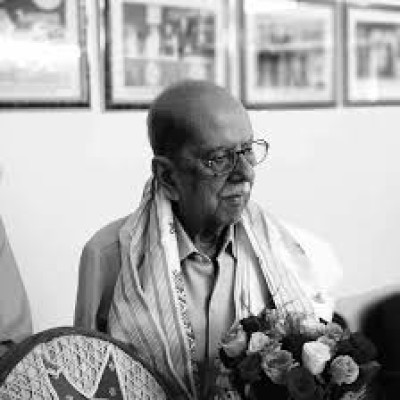
The visible improvement in farmers quality of life drew praise from noted writer and journalist Homen Borgohain, who appreciated the transformation and often visited project areas to encourage the farming community.
Encouraging Youth in Agriculture
One of Dr. Hussain key missions was to inspire the younger generation to see agriculture as a viable career option. He emphasized skill development, technical training, and entrepreneurship in agriculture and allied sectors.
By demonstrating profitable models such as flower cultivation, poultry farming, and vegetable production, he helped shift the perception of farming from subsistence activity to business opportunity.
Leadership and Administrative Role
After serving as Extension Coordinator, Dr. Imran Hussain continued his service as Assistant Director in the Department of Agriculture before retiring as Joint Director. His administrative experience enabled him to implement policies effectively while maintaining close interaction with farmers.
His leadership style combined scientific knowledge with grassroots engagement, ensuring that government schemes translated into practical benefits.
Legacy and Recognition
Although his work primarily focused on rural development rather than public recognition, Dr. Imran Hussain has earned deep respect within agricultural circles in Assam. His contribution to transforming farming practices and improving rural livelihoods places him among the influential agricultural personalities of the state.
He stands as a model for agricultural officers who believe in field-level engagement, farmer training, and sustainable practices.
Conclusion
Dr. Imran Hussain biography reflects dedication, innovation, and commitment to rural upliftment. As a retired Joint Director of Agriculture and a PhD holder in Horticulture, he combined scientific expertise with grassroots action. Through diversified farming, livestock development, input support, integrated pest management, and youth engagement, he transformed the agricultural landscape in multiple districts of Assam.
His legacy continues to inspire agricultural professionals and rural entrepreneurs who seek to modernize farming while preserving sustainability.
FAQs Dr. Imran Hussain