Life & Legacy
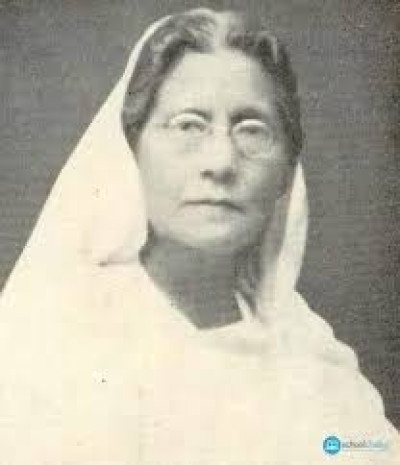
Born in 1885 in the Nagaon district of Assam, Bhogeswari Phukanani was a homemaker and the mother of eight children. Despite her domestic responsibilities, she actively involved herself in the Indian freedom struggle. She worked closely with the Indian National Congress and played a vital role in organizing protest activities and Congress offices in areas such as Barhampur, Babajia, and Barpujia. Her participation in civil disobedience movements, including picketing and nonviolent marches, reflected her deep commitment to national freedom.
During the Quit India Movement, Bhogeswari Phukanani emerged as a leading figure in local resistance against British authority. In September 1942, when the Congress office at Barhampur was forcibly closed by the British administration, local people organized protests to reclaim it. Bhogeswari Phukanani joined these demonstrations along with her children and fellow villagers, boldly raising slogans of 'Vande Mataram' and carrying the national flag.
When British forces arrived to suppress the gathering, violence broke out. Eyewitness accounts describe how British officers attempted to seize and dishonor the Indian national flag. Seeing this, Bhogeswari Phukanani resisted and struck a British officer with the flagstaff in defiance. This act of fearless resistance led to her being shot by the British forces. She succumbed to her injuries in September 1942, becoming a martyr for the nation at nearly sixty years of age.
Bhogeswari Phukanani's martyrdom had a profound impact on the freedom movement in Assam. Her courage energized the Quit India Movement in rural Assam and demonstrated the vital role women played in the struggle for independence. After independence, her sacrifice was formally recognized by naming important public institutions after her, including Bhogeswari Phukanani Civil Hospital in Nagaon and an indoor stadium in Guwahati.
Today, Bhogeswari Phukanani is remembered not only as a freedom fighter but as an enduring inspiration for generations. Her life represents the spirit of sacrifice, the power of grassroots resistance, and the unyielding strength of Assamese women in shaping India's freedom history.