Assam Tribal Culture: Festivals, Traditions and Heritage
Beyond Bihu: Exploring the Hidden Tribal Festivals of Assam
When people think of Assamese culture, the first image that appears is Bihu with its energetic dances, colorful attire, and rhythmic dhol beats. While Bihu is undoubtedly the cultural heartbeat of Assam, it represents only one part of the state's diverse heritage. Assam is home to numerous indigenous communities whose festivals are equally vibrant, spiritual, and deeply connected to agriculture and nature.
Beyond the three Bihus lies a fascinating world of tribal festivals celebrated by the Bodo, Mising, Rabha, Karbi, Tiwa, Dimasa, Tai-Ahom and other communities. These celebrations reflect centuries-old traditions, ecological harmony, and strong community bonds. Exploring these hidden festivals offers a deeper understanding of Assamese tribal culture and its living traditions.
Ali-Ai-Ligang: The Mising Tribe's Agricultural Beginning
Ali-Ai-Ligang is the most important festival of the Mising tribe, celebrated during February and March. The name itself reflects agriculture: Ali means root, Ai means fruit, and Ligang means sowing. The festival marks the beginning of the seed sowing season.
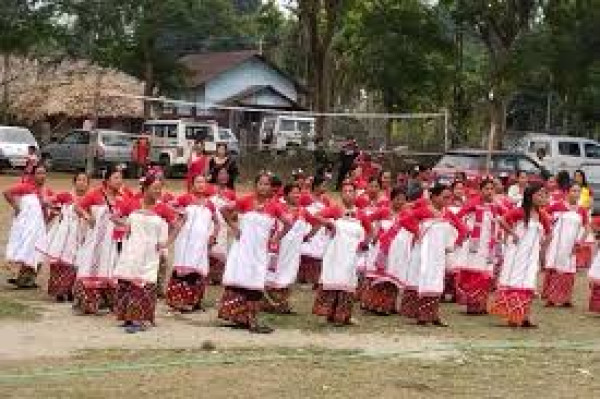
Young men and women perform the traditional Gumrag dance accompanied by drums and folk instruments. The celebration showcases vibrant Mising attire and culinary traditions. A special highlight is Purang Apin, rice wrapped and cooked in leaves, along with Poro Aapong, a traditional rice beverage. The festival emphasizes gratitude to nature and community participation before agricultural activities formally begin.
Baishagu: The Bodo New Year Festival
Baishagu is the principal festival of the Bodo community and is celebrated in mid-April during the month of Vaishak. It marks the Bodo New Year and welcomes spring with joy and devotion.
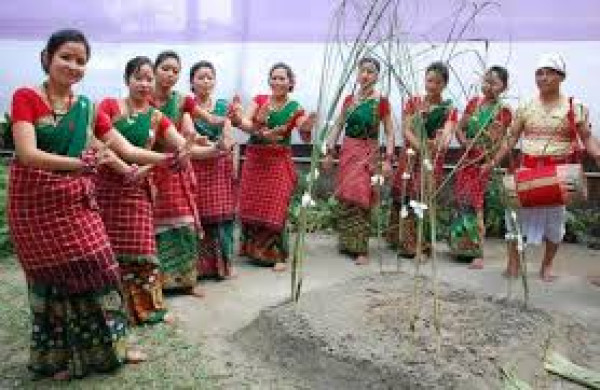
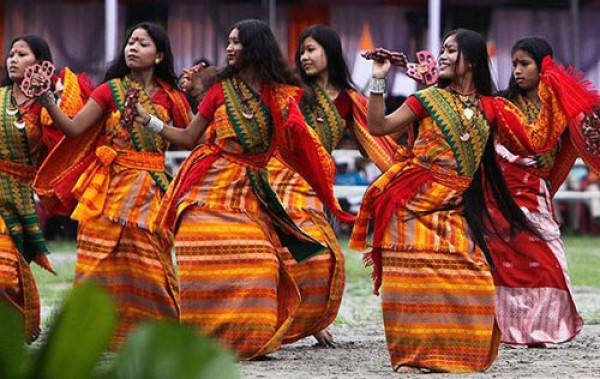
The festival includes worship of Bathou, considered the supreme deity. Women dressed in colorful dokhonas perform the Bagurumba dance, known for its graceful and nature-inspired movements. Cattle worship, similar in spirit to Garu Bihu, is an important ritual. Baishagu strengthens social unity while invoking blessings for peace and prosperity.
Baikho: The Rabha Festival of Faith and Protection
Celebrated in May or June, Baikho is one of the most significant festivals of the Rabha tribe. It is observed to appease the goddess of wealth and fertility for protection from natural calamities and for agricultural prosperity.
Often referred to as a festival of fire, Baikho includes dramatic torch-lit rituals and traditional Santhar dances. Community feasts and ceremonial offerings highlight the tribe's faith in divine protection and collective well-being.
Jonbeel Mela: The Historic Barter Festival
Jonbeel Mela, held annually during winter near Jagiroad, is one of the most unique traditional gatherings in Assam. Organized by the Tiwa community, this fair continues the age-old barter system that dates back to the 15th century.
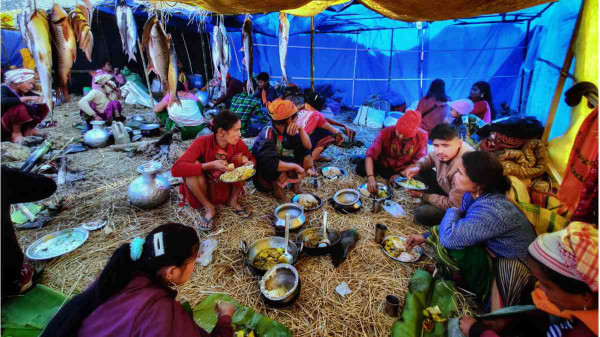
Communities including Tiwa, Karbi, Khasi and Jaintia gather to exchange goods such as vegetables, fish, bamboo products and spices without using money. The event also features a ceremonial tax collection by the traditional Tiwa king, followed by cultural programs and community feasting. Jonbeel Mela stands as a living example of Assam's historic economic traditions.
Rongker and Chomangkan: The Karbi Ritual Festivals
The Karbi tribe observes two distinct festivals with contrasting themes.
Rongker is a springtime festival performed to invoke village deities for protection and a successful harvest. It reflects optimism, renewal and communal harmony.
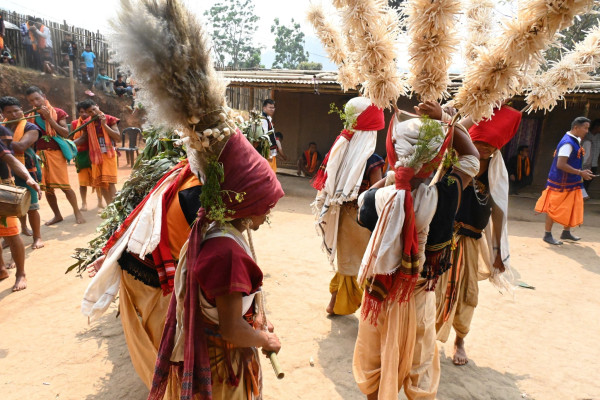
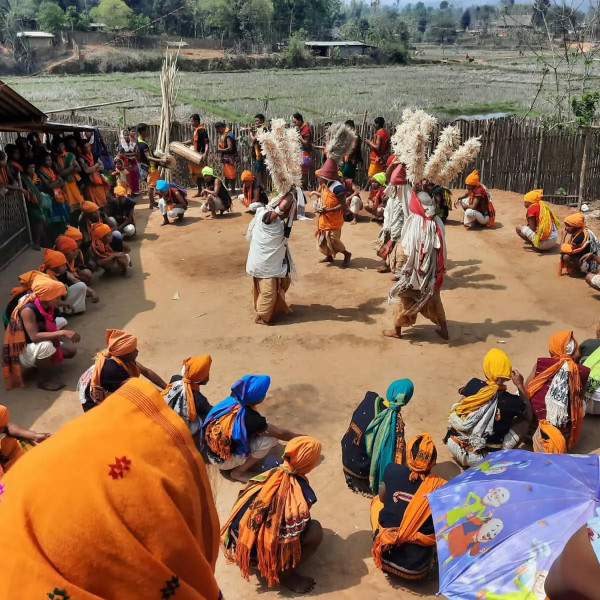
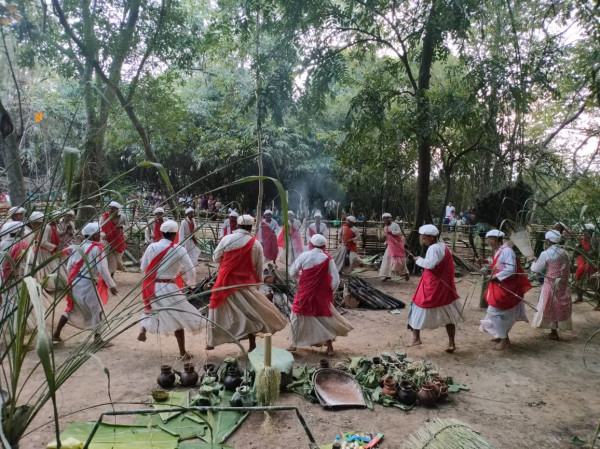
Chomangkan, on the other hand, is a solemn four-day ceremony dedicated to ancestor worship. It ensures peace for departed souls and strengthens family and clan relationships. Sacred fire rituals and traditional dances like Domahi Kikang are central to these observances.
Me-Dam-Me-Phi: Honoring Ahom Ancestors
Celebrated annually on January 31, Me-Dam-Me-Phi is the most important festival of the Tai-Ahom community. The term translates to worship of the dead who are elevated to divine status.
The day involves offerings, prayers and processions, particularly in districts such as Sivasagar, Dibrugarh and Lakhimpur. The festival reinforces ancestral reverence and cultural continuity within the Ahom community.
Sogra Festival: The Tiwa Spring Celebration
The Sogra Festival is celebrated by the Tiwa tribe between March and April in West Karbi Anglong district of Assam and parts of Meghalaya. This spring festival marks the beginning of cultivation and honors the tribe's agrarian heritage.
A central ritual called Mindai Lekhewa is performed by the village priest known as the Loro. During this sacred ceremony, deities and ancestral stories are invoked to bless the community with a fruitful harvest. Traditional drumming, structured group dances and communal feasts define the celebration. Legends link the festival's origin to an orphan boy named Majibor Sagra or to divine flowers sent from the heavens. Regardless of the version, the festival symbolizes gratitude, unity and spiritual devotion.
Other Notable Tribal Celebrations
Bushu Dima, celebrated by the Dimasa tribe, is a grand post-harvest festival marked by dance and music.
Ambubachi Mela, held at Kamakhya Temple in June, marks the annual cycle associated with the Mother Goddess. The temple remains closed for three days, symbolizing renewal and fertility.
Poi-leng is a sacred funeral tradition of Tai Buddhist communities, featuring elaborate rituals and colorful processions.
The Deodhani Dance Festival, performed in August in devotion to Goddess Manasha, is known for its powerful ritualistic dance performances.
Common Themes Across Assam's Tribal Festivals
Although each tribe has unique customs, several themes connect these celebrations:
-
Deep respect for agriculture and seasonal cycles
-
Strong community participation
-
Traditional music and dance as expressions of identity
-
Ritual offerings and ancestral remembrance
-
Harmony between humans and nature
Most spring festivals take place between February and April, making this period culturally vibrant across Assam. Regions like Majuli, Karbi Anglong and lower Assam serve as important cultural hubs for these celebrations.
Conclusion
Assam's tribal festivals go far beyond Bihu, revealing layers of heritage rooted in agriculture, spirituality and communal harmony. From Ali-Ai-Ligang and Baishagu to Rongker and Sogra, each celebration tells a story of resilience and identity. These festivals preserve indigenous knowledge systems and continue to shape Assam's diverse cultural landscape.
Exploring the hidden tribal festivals of Assam offers a deeper appreciation of the state's living traditions and its extraordinary cultural diversity.