Introduction
Long before fans and air conditioners became common, villages across Assam had already mastered the art of natural cooling. Traditional Assamese houses were intelligently designed to remain comfortable during scorching summers, heavy monsoons, floods, and even earthquakes.
These homes were not accidental creations. They reflected deep environmental understanding, local craftsmanship, and climate-responsive architecture. Built with bamboo, Ikora, mud, wood, and thatch, they demonstrate how sustainable living was once a way of life in rural Assam.
Today, as global temperatures rise and sustainable housing becomes a priority, these traditional designs offer valuable lessons for modern architecture.
The Core Philosophy: Let the House Breathe
Unlike modern concrete buildings that trap heat, traditional Assamese houses were built on a simple principle: breathe, do not trap.
Organic, porous, and locally sourced materials allowed constant airflow. Walls absorbed heat slowly and released it gradually, keeping indoor temperatures significantly cooler than the outside environment.
This breathable design created a naturally regulated indoor climate without electricity.
Key Natural Cooling Techniques in Traditional Assamese Houses
1. Ikora and Mud Walls
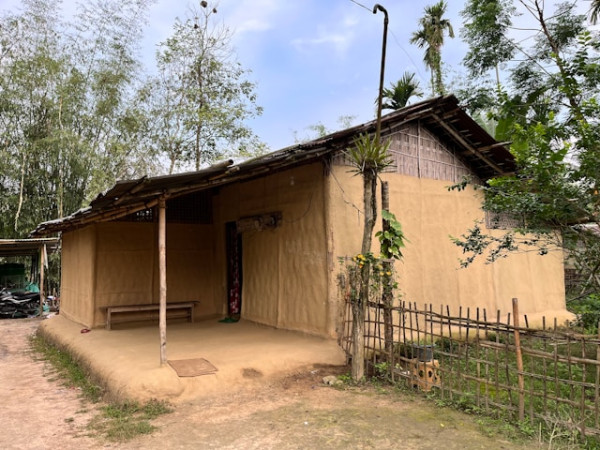
One of the most iconic features is the Ikora wall system.
How it cools:
-
Mud provides excellent thermal insulation.
-
The porous structure allows natural air exchange.
-
The cooling effect is similar to how an earthen pot keeps water cool.
These walls were frequently re-plastered after the monsoon or summer seasons to maintain durability and insulation.
2. Raised Platforms and Chang Ghar
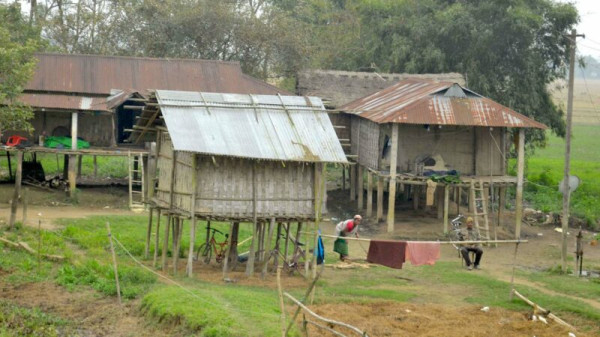
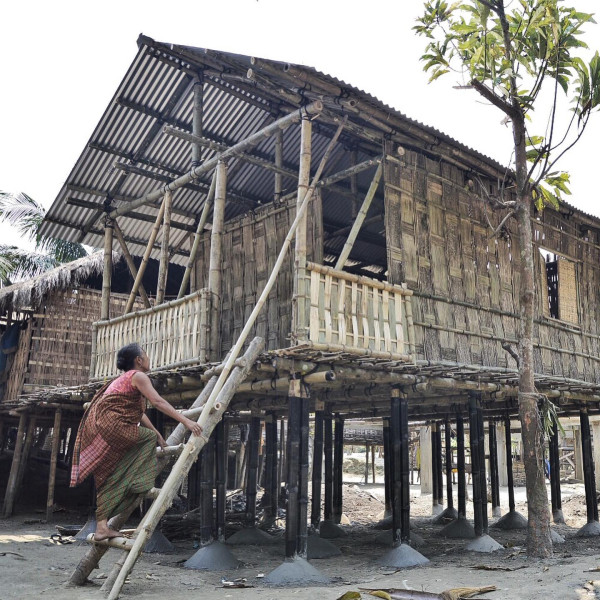
In flood-prone regions, especially near rivers, elevated houses known as Chang Ghar became common.
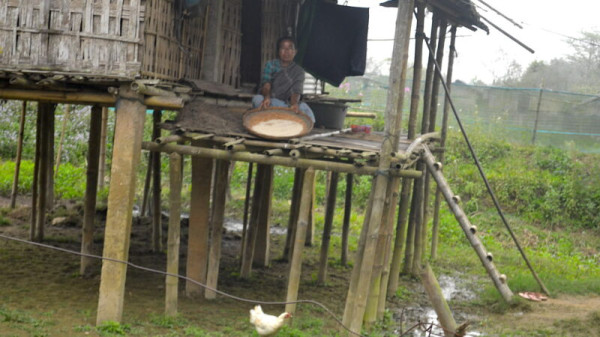
Chang Ghars are traditionally associated with the Mishing community. These houses are built on bamboo stilts, usually 4 to 10 feet above the ground.
Cooling and safety benefits:
-
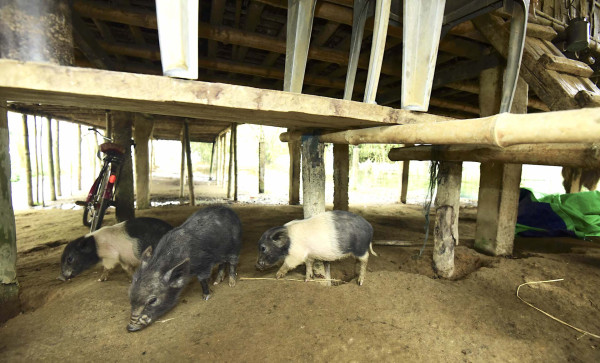
Air circulates beneath the house, reducing heat buildup.
-
Protection from floods and dampness.
-
Reduced risk of pests entering the living space.
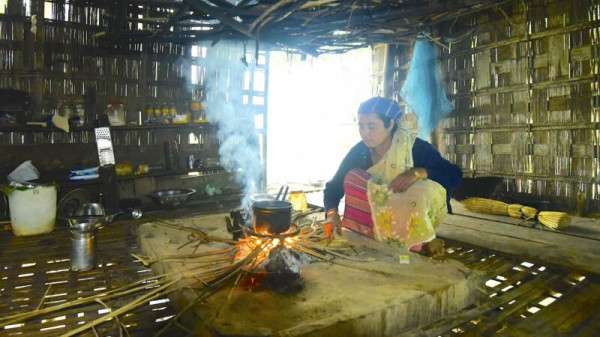
Chang Ghars typically include 5 to 7 front steps and feature a large hall with a central kitchen, reflecting social and cultural practices.
3. Thick Thatched Roofs with Steep Slopes
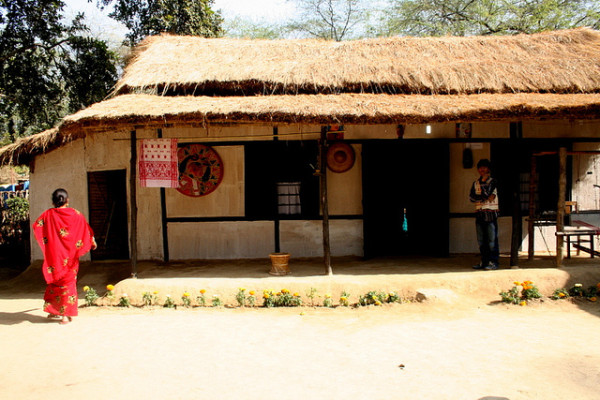
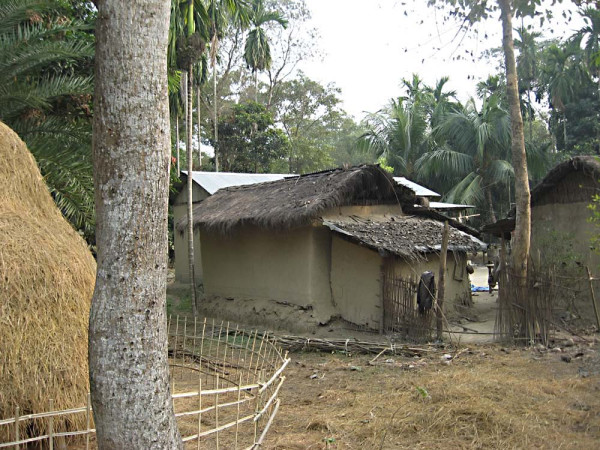
Traditional roofs were steeply sloped and made from thatch, palm leaves, reeds, or local grass.
Cooling advantages:
-
Thick thatch acts as a natural heat insulator.
-
High ceilings allow warm air to rise and escape.
-
Steep slopes help drain heavy monsoon rainfall quickly.
Over time, corrugated iron sheets became popular for durability, especially in Assam-type houses, but thatch remains superior for insulation.
4. Spacious Verandas and Large Windows
Open verandas, locally known as barandah, are essential in Assamese house design.
Functions of verandas:
-
Act as a shaded transition zone.
-
Reduce direct sunlight on walls.
-
Provide airy social spaces for relaxation.
Large windows improve cross-ventilation and natural lighting, creating a constant flow of fresh air.
5. Strategic Orientation and Vegetation
Traditional villages were planned according to wind direction. Houses were positioned to capture prevailing breezes.
Native trees and plants were planted around homes to provide natural shade and reduce surrounding temperatures. This reduced solar heat gain and improved comfort.
Types of Traditional Assamese Houses
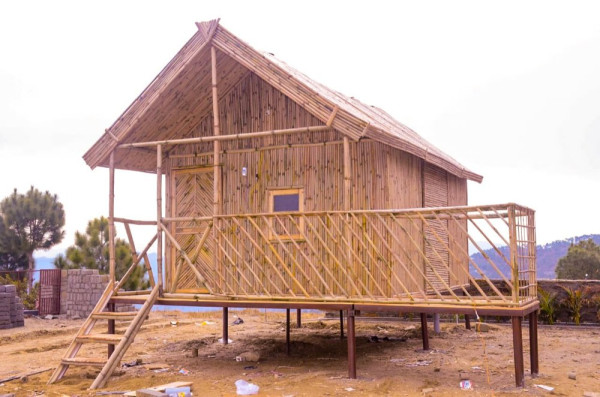
1. Bamboo Houses
Bamboo houses are common across rural Assam. Bamboo is lightweight, flexible, abundant, and earthquake-resistant.
Key features:
-
Bamboo framework and flooring
-
Mud-plastered bamboo strip walls
-
Thatched or corrugated roofing
-
Excellent seismic resilience
The flexibility of bamboo helps absorb earthquake shocks, making these houses structurally safe.
2. Ikora Houses or Assam Type Houses
Ikora houses, often referred to as Assam type houses, combine traditional bamboo construction with masonry plinths.
Structure details:
-
Brick or stone masonry up to 1 metre above plinth
-
Bamboo woven wall panels plastered with mud or cement
-
Roof supported by wood or bamboo trusses
-
GI sheet roofing in many cases
These houses were designed to meet earthquake safety requirements through rectangular layouts and simple beam-column systems.
There were no significant reports of severe damage to well-built Ikora houses during past earthquakes, proving their structural efficiency.
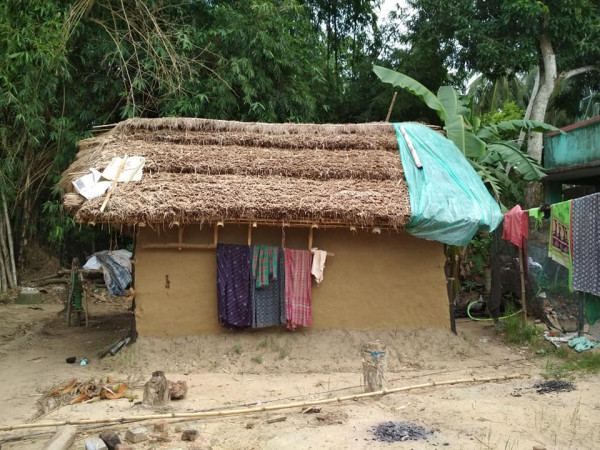
3. Mud Houses
Mud houses are highly energy-efficient and environmentally friendly.
Construction details:
-
Built using mud, clay, straw, and cow dung
-
Typical length: 5 to 10 metres
-
Width: 3 to 5 metres
-
Storey height: 1.6 to 2.5 metres
Thick mud walls provide insulation throughout the year, keeping interiors cool in summer and warm in winter.
4. Chang Ghar
Chang Ghars are stilt houses originating from Himalayan traditions and widely seen in riverine Assam.
Features:
-
Elevated bamboo structure
-
Bamboo slat flooring for airflow
-
Thatched roofing
-
Central fireplace and common family hall
The stilted portion protects against gentle floods while improving ventilation.
5. Colonial-Era Assam-Type Houses
After the devastating 1897 earthquake, colonial administrators combined local techniques with engineering improvements to create stronger Assam-type houses.
Features include:
-
Raised plinths
-
Wide verandahs
-
High ceilings
-
Large windows for cross ventilation
-
Steep corrugated iron roofs
-
Mud finishing and whitewash
Some tea garden bungalows display Tudor influence, including steep gable roofs and half-timber elements.
These houses successfully blended indigenous wisdom with modern stability.
Cultural and Community Spaces
Traditional Assamese houses often include a central courtyard called Chotal. This space is used for family gatherings, rituals, and social activities.
Even community prayer halls like the Naamghar follow similar design principles: open-air layout, high ceilings, and excellent ventilation.
Sustainability and Eco-Friendly Construction
Traditional Assamese architecture represents true sustainability.
These homes were climate-smart long before sustainability became a global trend.
Why Traditional Assamese Houses Matter Today
Modern cities struggle with urban heat islands and rising electricity consumption. Traditional Assamese architecture proves that natural materials and intelligent design can provide comfort without energy-intensive cooling systems.
These houses reflect:
-
Environmental harmony
-
Cultural heritage
-
Climate resilience
-
Cost-effective construction
They offer timeless lessons for sustainable housing in the 21st century.
Conclusion
Traditional Assamese houses are a remarkable example of eco-friendly, climate-responsive architecture. Built with bamboo, Ikora, mud, and thatch, these homes remained naturally cool without electricity while offering protection against floods and earthquakes.
As we search for sustainable living solutions today, the wisdom of Assamese villages provides a practical and inspiring blueprint for the future.