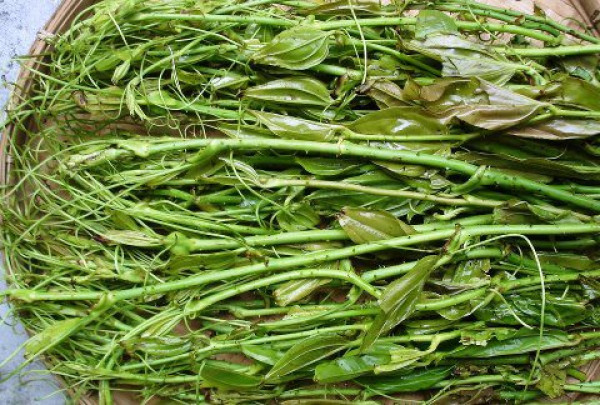
Assam is known for its rich biodiversity and deep-rooted traditional healing practices. Among the many wild medicinal plants used by rural communities and herbal practitioners, Tikoni Baruah stands out as a powerful natural remedy. Scientifically known as Smilax zeylanica, this thorny vine is valued not only as a leafy vegetable but also as a traditional herbal medicine, especially for managing diabetes.
Though lesser known outside Assam, Tikoni Baruah is gradually gaining attention for its anti-diabetic potential and overall health benefits.
What is Tikoni Baruah?
Tikoni Baruah is a perennial thorny climber that typically grows in wild and swampy regions of Upper Assam. The plant produces tender shoots and leaves that are consumed as a green leafy vegetable. It has a slightly bitter taste, which in traditional herbal systems is often linked with blood purification and blood sugar control.
In Assamese households, this plant is not only valued for food and medicine but also respected for its cultural importance.
Cultural Significance During Rongali Bihu
Tikoni Baruah holds a special place during Rongali Bihu, particularly on Goru Bihu. Assamese families traditionally place a vine of Tikoni Baruah on the roof, above the doorway, or on the main post of the house. According to local belief, this practice protects the household from evil spirits and negative energies.
Among the many varieties of greens consumed during Bohag Bihu, Tikoni Baruah is considered one of the important traditional herbs included in festive meals.
Tikoni Baruah for Diabetes (Madhumeha)
In Assamese traditional medicine, Tikoni Baruah is widely regarded as a natural remedy for controlling high blood sugar levels, known as Madhumeha.
How It Is Believed to Work
-
The tender leaves and shoots are cooked and consumed regularly.
-
Traditional practitioners believe that its bitter taste, referred to as Tikta rasa, helps regulate blood glucose levels.
-
It is commonly recommended as a dietary support herb for individuals with diabetes.
Local herbal healers, known as Bej or Ojha, often include Tikoni Baruah in herbal combinations aimed at managing lifestyle-related disorders, especially diabetes.
Regular consumption of the leaves is traditionally believed to reduce the severity and intensity of diabetes symptoms. However, it is used as a supportive dietary herb and not as a replacement for medical treatment.
Nutritional and Medicinal Properties
Tikoni Baruah is valued for its nutritional richness and medicinal qualities.
1. Rich in Antioxidants
The plant is believed to contain beta-carotene and essential vitamins, which help protect the body from oxidative stress.
2. Liver Support
In traditional practice, it is considered a liver tonic that supports digestion and overall metabolic health.
3. Wound Healing
Crushed or pounded leaves are traditionally applied to wounds and minor cuts.
4. Stomach Ailments
It is commonly used in rural remedies for digestive issues and stomach discomfort.
5. Urinary Problems and Diarrhoea
Folk medicine associates the plant with relief from urinary disorders and diarrhoea.
6. Skin Diseases
Traditional knowledge also links Tikoni Baruah with the treatment of certain skin conditions.
Traditional Culinary Uses
Tikoni Baruah is not only medicinal but also a flavorful part of Assamese cuisine.
Fried with Vegetables
The leaves are often fried with potatoes or other seasonal vegetables.
Cooked with Meat
A popular preparation includes cooking Tikoni Baruah with pork, ginger, and garlic, sometimes wrapped and cooked in banana leaf, known locally as torapatot style.
Boiled or as a Simple Green
The young tender leaves can be boiled and eaten as a simple green vegetable.
Its slightly bitter taste enhances traditional dishes while offering health benefits.
Sustainable Cultivation and Local Economy
Although Tikoni Baruah traditionally grows in the wild, there are inspiring examples of local cultivation. In Dhemaji district of Assam, farmer Prabin Borgohain from Gohain Gaon has successfully cultivated over a thousand Tikoni Baruah plants.
Through organic farming methods, he has demonstrated that this rare and culturally significant medicinal vine can provide both ecological and economic benefits. His efforts highlight the importance of preserving indigenous flora while creating sustainable income opportunities.
Why Tikoni Baruah Matters Today
With the increasing global interest in natural diabetes management and herbal medicine, Tikoni Baruah represents the deep traditional wisdom of Assamese communities. It offers:
-
A natural dietary support option for blood sugar management
-
A nutrient-rich leafy vegetable
-
A culturally significant plant rooted in Assamese heritage
-
A sustainable wild resource with farming potential
As research into medicinal plants continues to grow, Tikoni Baruah may gain wider recognition as an important herbal resource from Northeast India.
Conclusion
Tikoni Baruah (Smilax zeylanica) is more than just a wild vine. It is a symbol of Assamese traditional knowledge, a nutritious leafy vegetable, and a respected herbal remedy for diabetes and other ailments.
Its integration of food, medicine, and culture makes it a valuable part of Assam's traditional medicine system. While modern research is still evolving, traditional usage strongly supports its role in natural health management.