Illegal Rat-Hole Coal Mining in Assam 2026: A Growing Environmental Crisis
Despite a blanket ban imposed by the National Green Tribunal in 2014, illegal rat-hole coal mining continues to endanger Assam's fragile ecosystem. In early 2026, fresh reports of illegal mining activity near the Patkai mountain range and bordering regions have reignited concerns over biodiversity destruction, worker safety, and enforcement failures.
The issue has once again reached a boiling point as environmental activists, government agencies, and local communities confront the growing ecological damage.
What Is Rat-Hole Mining?
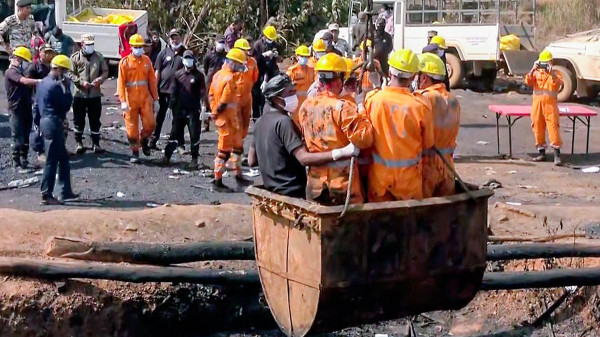
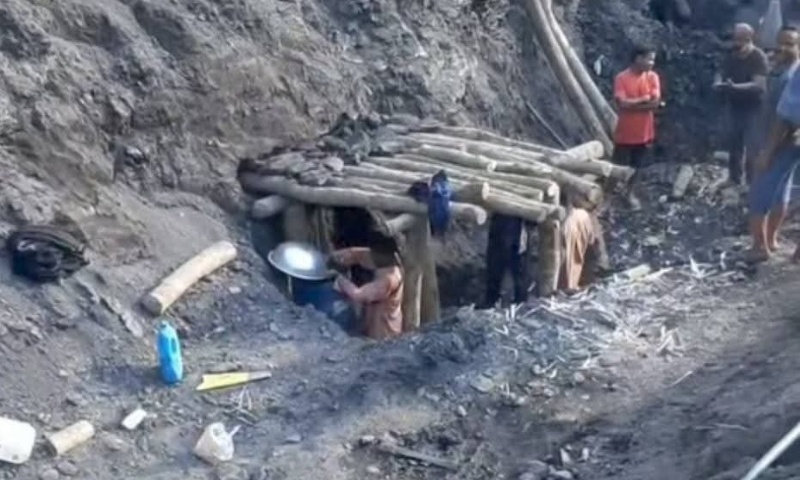
Rat-hole mining is a primitive and highly dangerous method of coal extraction. Narrow horizontal tunnels are dug into hillsides, often barely large enough for a person to crawl through. Workers enter these tunnels without adequate safety equipment, facing risks of collapse, flooding, toxic gas exposure, and suffocation.
Although the practice was banned in 2014, illegal operations continue in parts of Northeast India, particularly along the Assam-Arunachal Pradesh-Meghalaya border areas.
February 2026 Crisis and Regional Spillover
In February 2026, a devastating blast in an illegal rat-hole mine in Meghalaya's East Jaintia Hills reportedly claimed at least 30 lives. The tragedy renewed attention on the continued existence of such mines across the region.
Environmentalists warn that similar operations have expanded into Assam's coal belt. Activists have identified more than 200 illegal rat-hole and open-cast mines operating in the Tipong Colliery area of the Patkai mountains.
Threat to Dehing Patkai National Park
Unregulated mining activities pose a severe risk to the reserve forests surrounding the 231.65 sq km Dehing Patkai National Park, often referred to as the Amazon of the East. The region is one of the last remaining lowland rainforests in India and is home to rare wildlife, dense forest cover, and sensitive river systems.
Illegal mining operations not only fragment forest land but also contaminate water sources and degrade soil quality. Activists caution that unchecked extraction could permanently damage the ecological balance of eastern Assam.
Government Crackdowns and Seizures
Authorities began large-scale enforcement drives in January 2025, sealing 13 illegal mines in the Margherita area of eastern Assam. Additional crackdowns in Tinsukia and Dima Hasao districts led to the sealing of several operations and the arrest of alleged operatives.
Despite these actions, illegal activities persist, often linked to organized networks commonly referred to as the coal mafia. The porous interstate border areas make monitoring and enforcement particularly challenging.
Environmental Activism and Memorandum to the Chief Minister
Environmental activists have intensified their campaign to protect Assam's coal-rich forest belt. Assam-based activist Apurba Ballav Goswami submitted a memorandum to Chief Minister Himanta Biswa Sarma, urging the government to upgrade five reserve forests in the eco-sensitive coal belt into wildlife sanctuaries.
The proposal aims to strengthen legal protection against both illegal mining and poaching activities. Activists argue that elevating the conservation status of these forests would create stronger ecological safeguards.
Another environmental advocate, Toki Blah, warned that continuous mining is turning once-lush green landscapes into barren zones, poisoning water bodies and destroying biodiversity at an alarming pace.
Opposition to New Open-Cast Projects
Tribal organizations and local communities have also voiced opposition to proposed new open-cast coal mining projects in Tinsukia district. Community leaders argue that such projects threaten indigenous land rights, forest resources, and traditional livelihoods.
The debate reflects a broader conflict between economic extraction and ecological preservation in Assam's coal belt.
Livelihoods vs Environmental Protection
The rat-hole mining issue is not only an environmental concern but also a humanitarian one. Many workers involved in illegal mining come from economically vulnerable backgrounds and face life-threatening conditions inside these tunnels.
While the state government has emphasized a zero-tolerance policy against illegal mining, environmental groups stress that sustainable livelihood alternatives must accompany strict enforcement. Without alternative employment options, the cycle of illegal extraction may continue.
The Road Ahead for Assam
As Assam approaches 2026, the battle against illegal rat-hole coal mining represents a defining test of governance, environmental commitment, and regional stability. Protecting Dehing Patkai and the Patkai mountain range requires coordinated enforcement, stronger forest protection laws, and long-term ecological planning.
The coming months will determine whether stricter action and conservation measures can effectively safeguard one of Northeast India's most ecologically significant landscapes.
Stay tuned for more verified updates on environmental developments across Assam and Northeast India.