Title: Rare Medicinal Plants and Traditional Home Remedies of Assam
Introduction: Assam's Living Pharmacy
Nestled in the biodiversity-rich landscapes of Assam, nourished by the mighty Brahmaputra River and heavy monsoon rains, lies one of India's most valuable natural pharmacies. Assam is home to nearly 300 varieties of medicinal herbs and plants, yet only about 5 to 10 percent are commercially cultivated. The rest remain hidden in forests, wetlands, and even village backyards.
For centuries, tribal communities such as the Karbi, Mishing, Bodo, Dimasa, and Tai-Ahom, along with traditional healers known as Bej or Kabiraj, have relied on these plants to treat ailments naturally. Even today, traditional remedies remain widely practiced, especially in rural areas, due to their effectiveness and minimal side effects.
Rare Medicinal Plants Found in Assam Forests
Assam's tropical forests are biodiversity hotspots containing rare and globally important medicinal species.
-
Agarwood - The Black Gold of AssamScientific Name: Aquilaria malaccensis
Agarwood is one of the most valuable forest resources of Assam. Beyond its global demand for fragrance and oud oil, it has strong medicinal uses. Traditionally, it is used to treat digestive disorders, act as a mild sedative, relieve joint pain, and boost vitality. Assam remains one of the natural producers of agarwood in India.
-
Mishmi TeetaScientific Name: Coptis teeta
Found in forest regions near Upper Assam and the Arunachal border, Mishmi Teeta is extremely rare and endangered. Tribal healers use it to treat malaria, fever, digestive issues, and bacterial infections. It is also believed to purify blood.
-
Sarpagandha or Chota ChandScientific Name: Rauvolfia serpentina
A powerful medicinal plant used in Ayurveda, Sarpagandha is known for controlling hypertension, reducing anxiety, acting as a sedative, and managing insomnia. It grows in forest undergrowth and is increasingly threatened by overharvesting.
-
Himalayan YewScientific Name: Taxus wallichiana
This rare tree found in higher forest regions is globally significant as the source of the anti-cancer drug Paclitaxel. It also supports respiratory treatments and immune health. Due to excessive exploitation, it is now highly endangered.
-
Bhatou PhulScientific Name: Vanda coerulea
This rare blue orchid has traditionally been used for eye-related disorders such as cataracts and glaucoma. It is a delicate species and needs conservation.
-
Ou TengaScientific Name: Dillenia indica
Though widely known as a food ingredient, Ou Tenga also acts as a digestive aid, helps manage cholesterol, and boosts immunity. It is deeply integrated into Assamese diet and herbal practice.
-
NefafuScientific Name: Clerodendrum colebrookianum
Often called the pressure leaf, Nefafu is used to manage high blood pressure and detoxify the body. Its leaf juice is consumed directly in traditional remedies.
-
BhedailotaScientific Name: Paederia foetida
A pungent creeper used for treating indigestion, diarrhea, inflammation, and joint pain. It is commonly prepared as broth or herbal decoction.
-
Masundori or Fish MintScientific Name: Houttuynia cordata
Grows in moist forest zones and wetlands. It strengthens immunity, treats respiratory infections, improves digestion, and acts as a detoxifier.
-
Glory LilyScientific Name: Gloriosa superba
Used in traditional treatment of joint pain and skin disorders. However, it must be handled carefully due to toxicity in raw form.
Common Assamese Home Remedies from Daily Life
Apart from forest plants, many Assamese households maintain small herbal gardens.
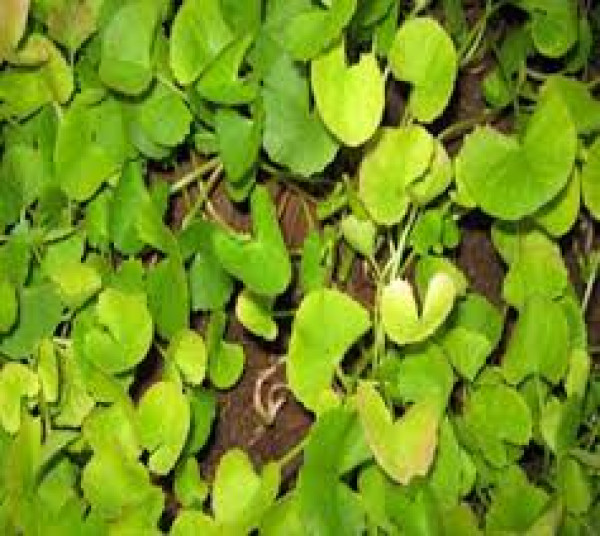
Used as leafy vegetable and herbal tonic. It helps treat stomach ache, dysentery, skin diseases, body pain, and improves memory. Leaf paste is applied to relieve headaches.
Neem leaves are used for skin infections and purifying baths. Twigs serve as traditional toothbrushes. Neem oil treats scalp and skin disorders.
Used for skin diseases, burns, and hair treatment. Crushed leaves are applied to reduce hair fall.
Used for cough, cold, bronchitis, wound healing, and respiratory problems.
Beyond its famous chili fruit, the leaves and roots are used to improve blood circulation, relieve muscle pain, and support digestion.
Role of Bej and Traditional Healing Methods
Traditional healers known as Bej combine herbal knowledge with mantra tantra practices. Their treatments include:
Plants like Mikania micrantha, locally called Amarlata, are applied directly to fresh wounds for quick healing.
Threats to Assam's Medicinal Wealth
Despite its richness, Assam's herbal biodiversity faces serious threats:
Many plants such as Mishmi Teeta and Himalayan Yew are now endangered.
Why Conservation is Critical
Preserving Assam's medicinal plants ensures:
The forests of Assam are not just green landscapes; they are living healers carrying centuries of traditional knowledge.
Conclusion
Assamese home remedies represent a harmonious relationship between people and nature. From using Kaji Nemu for immunity to Nefafu for blood pressure control, traditional medicine remains deeply integrated into daily life.
As global interest in herbal wellness increases, Assam stands as a strategic region for sustainable medicinal plant research and conservation. Protecting this heritage means safeguarding both ecological diversity and centuries-old healing wisdom.
Disclaimer*: The information provided is for educational purposes only. Always consult a qualified medical or Ayurvedic professional before using herbal remedies, especially for serious health conditions.