Discovery of a New Plant Species in Assam
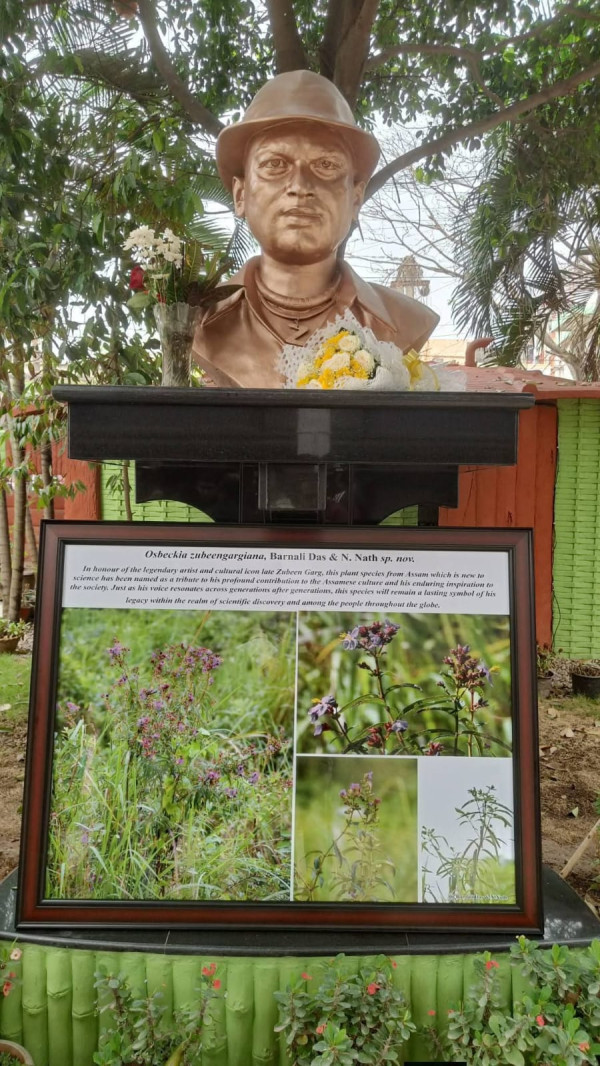
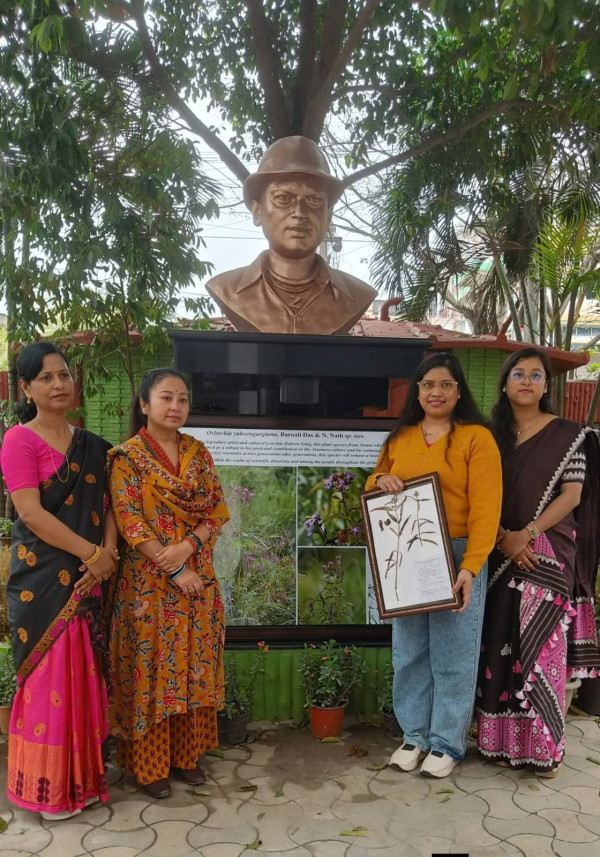
In a significant contribution to botanical research and biodiversity studies, researchers from Gauhati University have discovered a new plant species in Assam. The plant has been scientifically named Osbeckia zubeengargiana, honouring renowned Assamese singer, lyricist, filmmaker, and poet Zubeen Garg for his contribution to culture and his advocacy for nature conservation.
The discovery highlights the remarkable biodiversity of Assam and once again brings attention to the ecological importance of the region’s protected landscapes.
Where the Plant Was Discovered
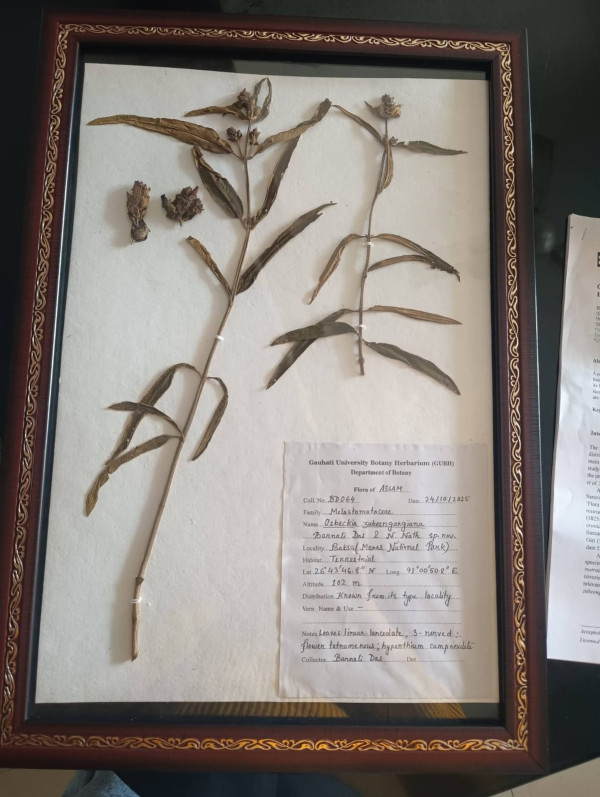
The new species was discovered in the grassland ecosystems of Manas National Park, located in the Baksa district of Assam. Manas National Park is known for its rich flora and fauna and is one of India’s most significant biodiversity hotspots.
Researchers identified the plant during extensive floristic exploration conducted between 2021 and 2025. The study was part of a doctoral research project focusing on the Melastomataceae family in Assam.
The research team involved in the discovery includes Barnali Das, Prashob Pulpra, and Namita Nath, who carefully documented the plant’s characteristics during their field investigations.
Botanical Characteristics of Osbeckia zubeengargiana
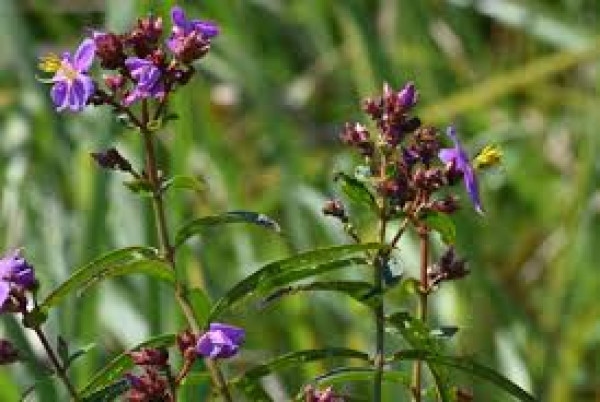
Osbeckia zubeengargiana belongs to the Melastomataceae family, a group of flowering plants commonly found in tropical and subtropical regions.
The plant has several distinctive features that separate it from previously known species.
Key characteristics include:
-
It is a perennial, erect shrub that can grow up to 3.5 metres tall.
-
The plant produces delicate purple to pink tetramerous flowers, meaning each flower has four petals.
-
It thrives in moist soil conditions, which are common in the grassland ecosystems of Manas National Park.
-
The plant typically flowers and bears fruit between mid-September and January.
Researchers observed that the species shares similarities with Osbeckia rostrata, but differs significantly in several morphological traits such as:
-
Leaf structure
-
Flower arrangement
-
Hypanthium shape
-
Seed size
These differences confirmed that the plant represents a previously undocumented species.
Habitat and Associated Plant Species
The newly discovered plant grows in grassland habitats within Manas National Park. During their field studies, researchers observed a large population of the species in these ecosystems.
The plant is found alongside several other plant species common to the region, including:
-
Chrysopogon zizanioides
-
Maesa indica
-
Bombax ceiba
-
Dillenia pentagyna
These ecological associations highlight the plant’s role within the natural grassland ecosystem.
Why the Plant Was Named After Zubeen Garg
The species was named Osbeckia zubeengargiana as a tribute to Zubeen Garg, one of Assam’s most celebrated music artists.
Zubeen Garg is widely recognized for his contributions to Assamese music, literature, and cinema. Beyond his artistic achievements, he has also been vocal about environmental awareness and nature conservation.
By naming the species after him, researchers aimed to acknowledge his cultural influence as well as his efforts to promote environmental consciousness among the people of Assam.
Significance of the Discovery
The discovery of Osbeckia zubeengargiana highlights the extraordinary biodiversity present in Assam and emphasizes the scientific importance of continued exploration in protected ecosystems such as Manas National Park.
According to researchers, many plant and animal species may still remain undiscovered within the region’s diverse landscapes.
This finding contributes to the growing scientific knowledge of the genus Osbeckia, which is widely distributed across Southeast Asia and includes several endemic species in India’s Eastern Himalayas and Western Ghats.
The discovery also reinforces the global significance of Manas National Park as an important center for biodiversity and ecological research.