Traditional Healing Practices of the Mishing Community in Assam: Indigenous Herbal Medicine and Folk Remedies
Introduction: Indigenous Healing of the River People
The Mishing community, one of the largest tribal groups of Assam and North East India, has preserved a rich tradition of herbal medicine for centuries. Living along the banks of the Brahmaputra and its tributaries, especially in districts such as Dhemaji, Lakhimpur, Jorhat, Sibsagar, Dibrugarh and parts of Arunachal Pradesh, the Mishings developed a deep understanding of forest-based medicinal plants.
Frequent exposure to malaria, water-borne diseases, skin infections and digestive disorders shaped their dependence on traditional healing systems. Their elevated houses known as Chang-ghar reflect their adaptation to flood-prone riverbanks, while their medicinal knowledge reflects adaptation to the surrounding biodiversity.
Role of the Mibu and Herbal Specialists
Healing in Mishing society is guided by traditional healers known as Mibu or Miri. Different specialists exist within the community:
Herbal practitioners
Bone setters
Diviners
Faith healers
Birth attendants
Veterinary healers
Village elders also possess knowledge of remedies for fever, jaundice, dysentery, stomach trouble, piles, headache and body ache.
Methods of Preparation
Mishing herbal medicine follows a systematic preparation method:
Fresh juice extracted from leaves or roots
Crushed plant paste for wounds and skin diseases
Decoction prepared by boiling plant parts
Powdered medicine for oral consumption
Paste application for sprains and injuries
In many cases, herbal treatment is combined with ritual practices and prayers.
Field Documentation and Botanical Findings
Field surveys conducted in Dhemaji and Lakhimpur in Assam and East Siang in Arunachal Pradesh recorded 55 medicinal plants used by the Mishing tribe. Among these:
15 trees
8 shrubs
30 herbs and climbers
Leaves are the most commonly used plant part, followed by stem, root and bark.
Dominant plant families include:
Asteraceae
Apocynaceae
Euphorbiaceae
Malvaceae
Acanthaceae
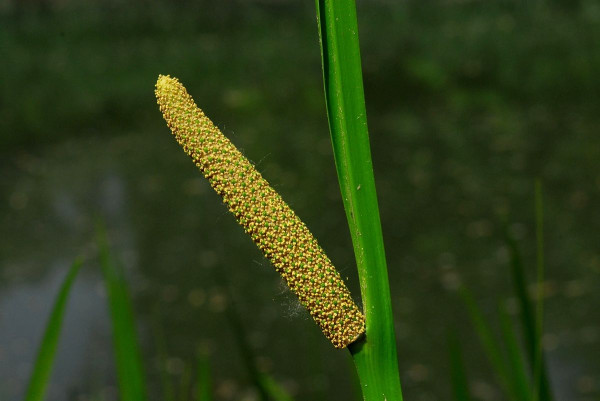
Some medicinal plants such as Acorus calamus, Costus speciosus, Eclipta prostrata and Oroxylum indicum are now under threat due to overharvesting.
Common Folk Medicines and Their Uses
Below are some widely used herbal remedies in Mishing society:
Centella asiatica (Manimuni or Bormanimuni): Used for gastric trouble, liver disorders and general health.
Bryophyllum pinnatum (Dupartenga): Used for dysentery, urinary trouble and jaundice.
Phyllanthus niruri (Bon Amlokhi): Used for jaundice and dysentery.
Eclipta alba (Kehraj): Root juice used for jaundice.
Saccharum officinarum (Sugarcane): Juice prescribed twice daily for jaundice.
Citrus aurantifolia (Lime): Used for fever and dysentery.
Aegle marmelos (Wood apple): Used for dysentery and piles.
Curcuma longa (Turmeric): Used for acidity and tonsillitis.
Solanum indicum: Used for toothache.
Paederia foetida (Bhedailota): Used for stomach and kidney problems.
Leucas aspera (Durunban): Used for jaundice and liver disease.
Xanthium strumarium (Agora): Used for malaria and urinary trouble.
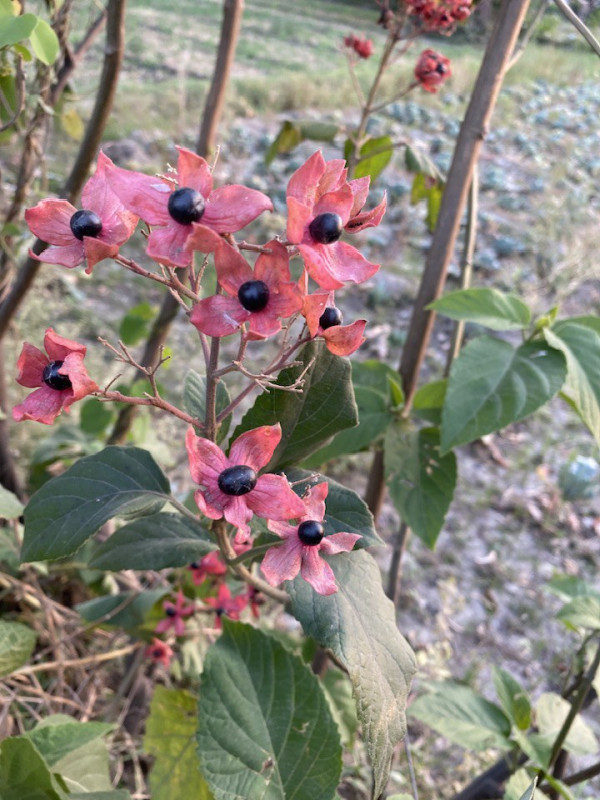
Clerodendron infortunatum: Used for malaria fever.
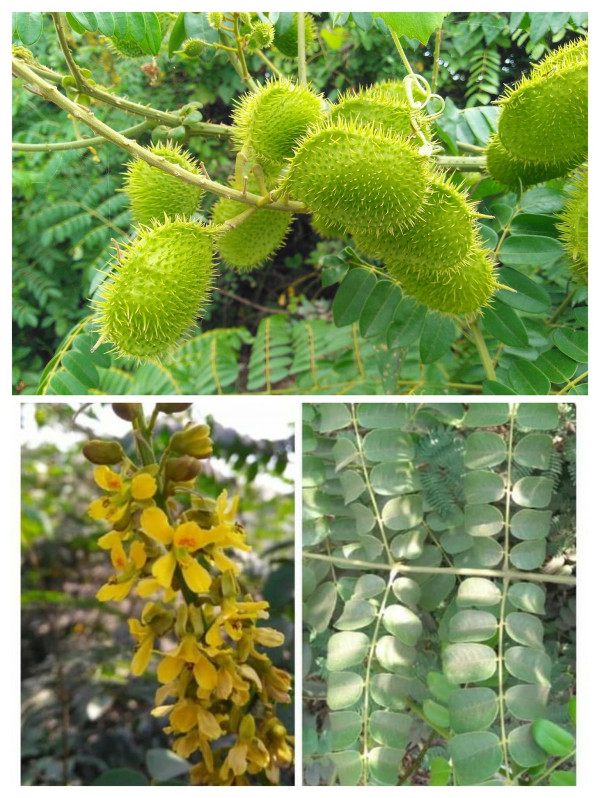
Cassia occidentalis: Used for skin diseases such as ringworm and itching.
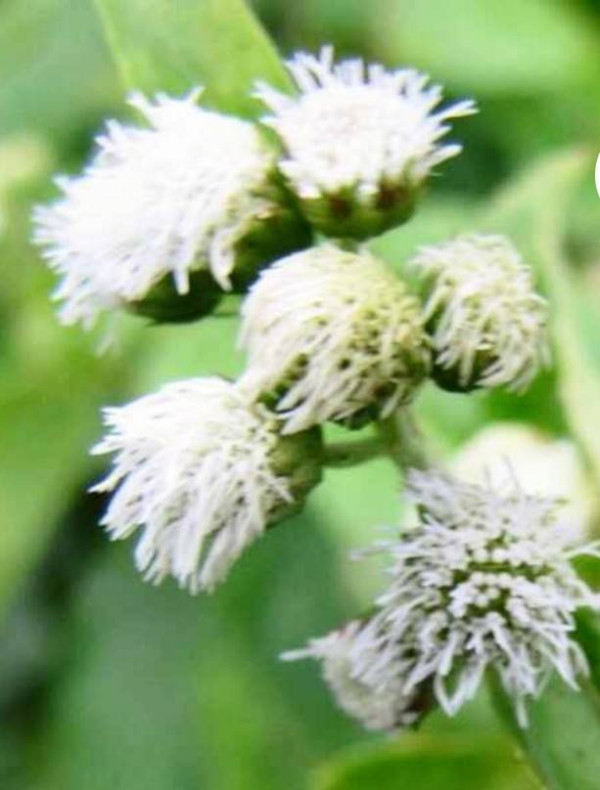
Ageratum conyzoides: Applied as a paste for injuries.
Treatment of Common Diseases
Magico-Religious Healing Practices
Mishing ethnomedicine combines herbal therapy with spiritual beliefs. Illness is often believed to arise from:
Anger of gods
Ancestral spirits
Breach of taboo
Evil spirit possession
Diseases such as pox, snakebite, hysteria, insomnia, convulsions and deformities may be considered spiritually influenced.
The community worships deities such as Sedi Ba:bu and Melo Nane and believes in Do:nyi Po:lo philosophy. Protective rituals, offerings and talismans are used alongside herbal medicines. Some conditions require both ritual therapy and plant-based treatment.
Cultural Significance
The annual Ali-Aye-Ligang festival marks the agricultural cycle and reinforces cultural identity. Ritual offerings are believed to maintain harmony with deities and ensure community health.
The Mishing healing system is holistic, combining preventive, curative and spiritual elements. It represents an important part of Assam's biodiversity heritage and indigenous knowledge system.
Medicinal Plants Used in Mising Community
| Sl. No. | Scientific Name | Family | Local Name | Parts Used | Uses |
|---|---|---|---|---|---|
| 1 | Acorus calamus (L) | Aracaceae | Boch | R | Cough |
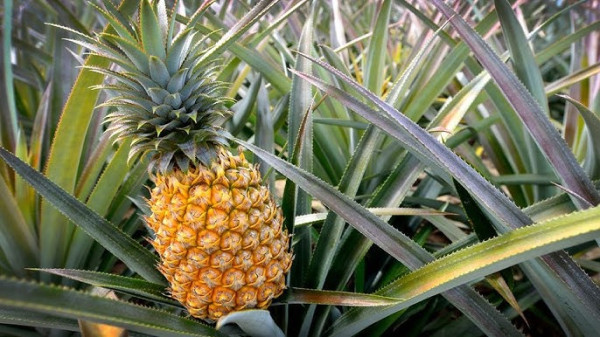
| 2 | Ananas comosus Linn | Bromeliaceae | Keteki kontal | L | Thread worm |
| 3 | Ageratum conyzoides (L) | Asteraceae | Namying-oing | L | Cuts and wounds (antiseptic) |
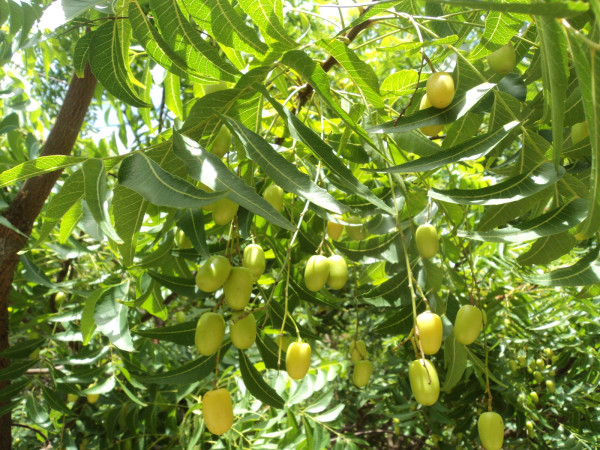
| 4 | Azadirachta indica (A. Juss.) | Meliaceae | Moha Neem | L | Pox |
| 5 | Bryophyllum pinnatum (Lam) | Crassulaceae | Duportenga | L | Treatment of stone |
| 6 | Caesalpinia bonducella (L) | Caesalpiniaceae | Letagooti | TL, S | Liver trouble, Pneumonia |
| 7 | Centella asiatica (L) | Apiaceae | Horumanimuni | WP | Gastric trouble |
| 8 | Clerodendron colebrookianum (L) | Verbenaceae | Pakkom | L | Malaria |
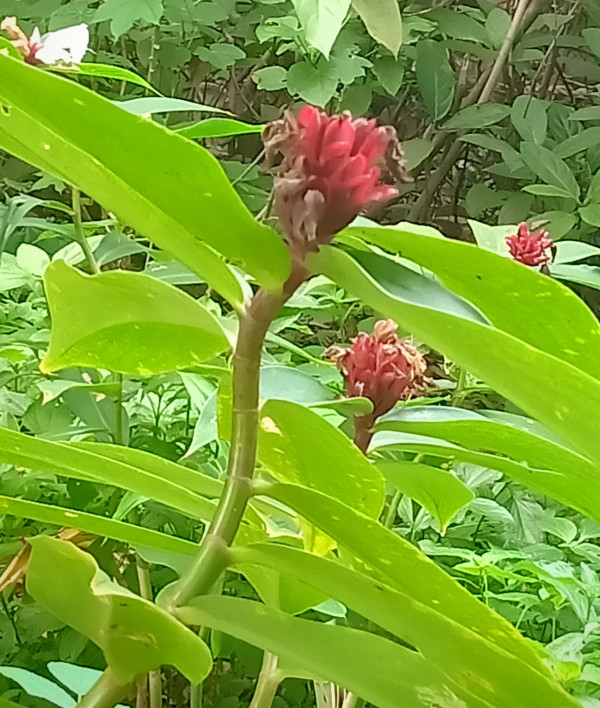
| 9 | Costus speciosus (J. Koenig) | Zingiberaceae | Jomlakhuti | R | White discharge in women |
| 10 | Citrus aurantifolia (Christm.) Sw. | Rutaceae | Gol nemu | T, F | Pneumonia, Diarrhoea |
| 11 | Curcuma longa (Salisb.) | Zingiberaceae | Haladhi | R | Bone fracture |
| 12 | Datura metel (L) | Solanaceae | Dhatura | L | Stone, pressure |
| 13 | Drymaria cordata (Willd. ex Schult.) | Caryophyllaceae | Laijabori | L | Sinusitis |
| 14 | Eugenia jambolana (L) | Myrtaceae | Jamu | B | Dysentery |
| 15 | Ficus racemosa (L) | Moraceae | Tajik | L, St | Dysentery, liver disorder |
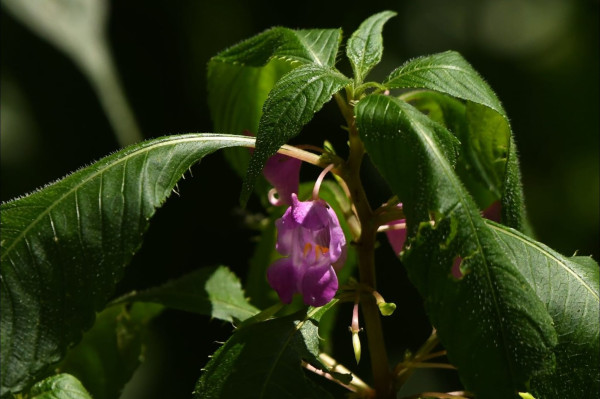
| 16 | Impatiens tripetala | Balsaminaceae | Koriabijol | Ro, St | Jaundice |
| 17 | Leucas aspera (L) | Lamiaceae | Durun | L | Sinusitis |
| 18 | Mangifera indica (L) | Anacardiaceae | Kedi | L | Stone |
| 19 | Mesua ferrea (L) | Guttiferae | Nahor | B | Piles |
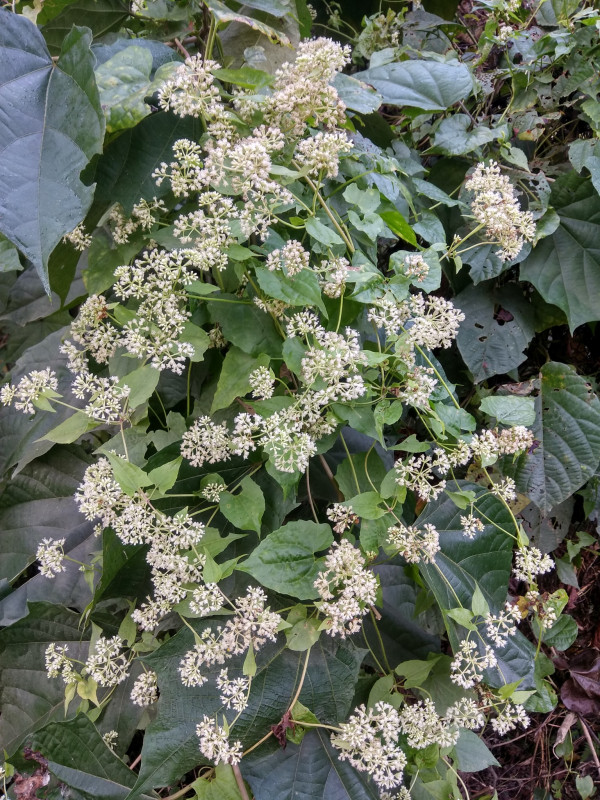
| 20 | Mikania micrantha | Asteraceae | Japanilota | L | Cuts and wounds |
| 21 | Ocimum sanctum (L) | Lamiaceae | Tulokhi | FL | Cough, stomach problem |
| 22 | Oxalis corniculata (L) | Oxalidaceae | Horu tengesi | L | Diabetes |
| 23 | Paederia foetida | Rubiaceae | Bhedailota | L | Diarrhoea |
| 24 | Piper nigrum (L) | Piperaceae | Jaluk | S | Pneumonia |
| 25 | Psidium guajava (L) | Myrtaceae | Modhuri | YL | Diarrhoea and vomiting |
| 26 | Saccharum (L) | Graminaceae | Tabad | St | Jaundice |
| 27 | Sapindus mukorossi Gaertn. | Sapindaceae | Monichal | B, F | Whooping cough, liver disorder |
| 28 | Scoparia dulcis (Linn.) | Plantaginaceae | Jalukbon | Ro, L | Pneumonia, urine problem |
| 29 | Solanum indicum (L) | Solanaceae | Bangko | F | Thread worm |
| 30 | Swertia chirayita (Roxb. ex Fleming) | Gentianaceae | Chirota | L | Thread worm, Asthma |
| 31 | Terminalia arjuna (Roxb.) Wight | Combretaceae | Arjun | B | Swelling of leg |
| 32 | Terminalia chebula (Retz.) | Combretaceae | Silikha | L | Stone |
| 33 | Vitex negundo (L) | Lamiaceae | Pochotiya | L | Diabetes |
Abbreviations Used: B = Bark, L = Leaf, FL = Fresh Leaf, TL = Tender Leaf, YL = Young Leaf, R = Rhizome, Ro = Root, S = Seed, St = Stem, T = Thorn, F = Fruit, WP = Whole Plant
Conclusion
The traditional healing practices of the Mishing community demonstrate a deep ecological understanding of medicinal plants in Assam. Documented use of more than 55 herbs for malaria, jaundice, liver disorders, menstrual problems, skin diseases and digestive ailments highlights the importance of preserving this knowledge.
As modernization expands, documentation and conservation of these medicinal plants are crucial for cultural continuity and biodiversity protection.