Introduction: Ethno-Medicine and Liver Care in Assam
Assam, located in Northeast India, is not only a biodiversity hotspot but also a living repository of indigenous medicinal knowledge. Rural households and tribal communities such as the Mishing, Deori, Rabha and others have long depended on naturally grown plants to treat liver disorders.
Hepatitis, commonly known as jaundice or kolija-jokritor roga in Assamese, is an inflammatory disease of the liver caused by viral infections such as Hepatitis A, B and C, autoimmune disorders, alcohol-related damage, fatty liver disease and toxins.
According to WHO reports, hepatitis affects millions globally, killing nearly one million people every year. Northeast India records some of the highest hepatitis incidences in the country. This makes traditional, accessible plant-based remedies highly significant in Assam's public health landscape.
Ethno-Medicinal Survey Findings from Sivasagar District
A detailed ethnomedicinal survey conducted during 2008–2009 across 27 community villages in Sivasagar district documented:
-
94 naturally grown medicinal plants
-
26 plants commonly used in anti-hepatitis and anti-influenza therapeutic preparations
-
11 plants used in raw therapeutic drug forms
-
16 plants used as medicinal supplements
These plants are used by reputed practitioners, local Bej and experienced village elders. However, many of these species are now threatened due to anthropogenic pressure and ecological degradation.
The study, published in Annals of Pharmacy and Pharmaceutical Sciences (2012) by Dwijen Nath, highlights the pharmaceutical potential of these plants and stresses the need for conservation.
Top Ethno-Medicinal Plants Used for Hepatitis in Assam
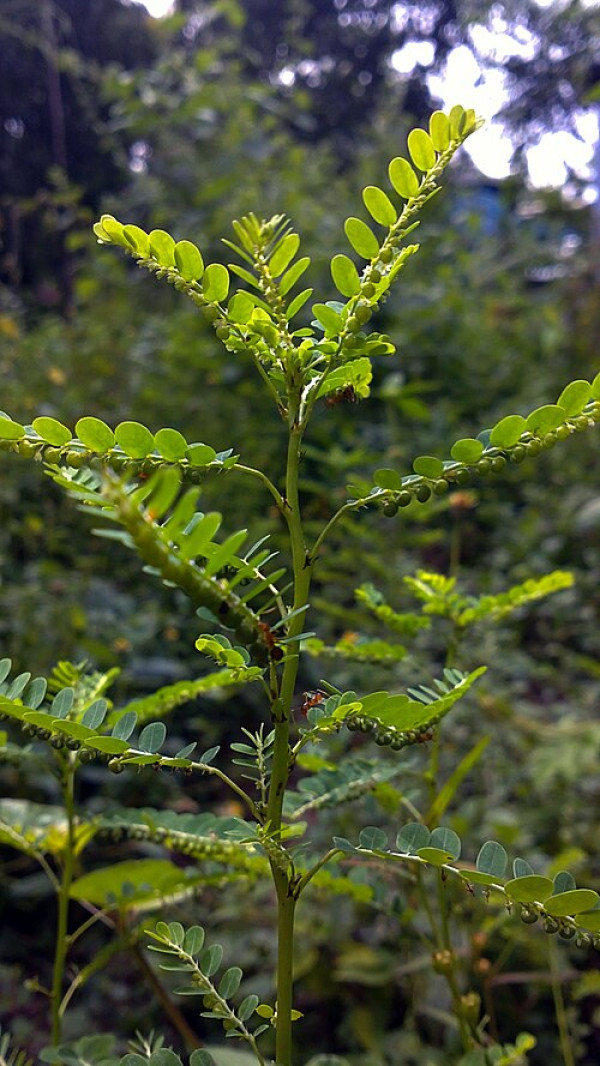
1. Bhui Amla (Phyllanthus niruri / Phyllanthus fraternus)
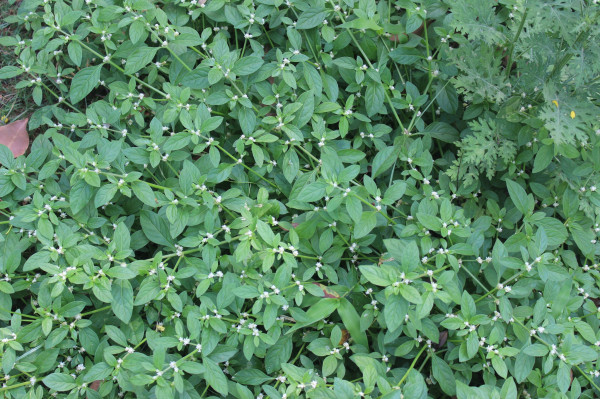
2. Matikanduri (Alternanthera sessilis)
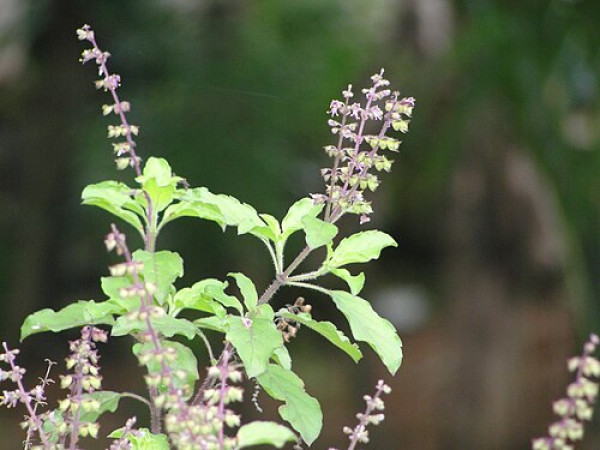
3. Tulsi (Ocimum tenuiflorum)
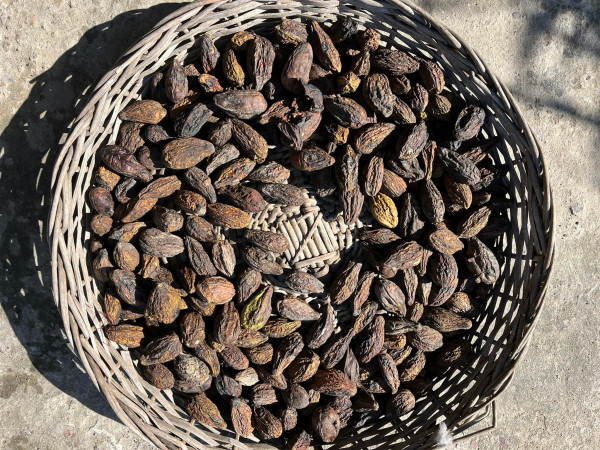
4. Hilikha (Terminalia chebula)
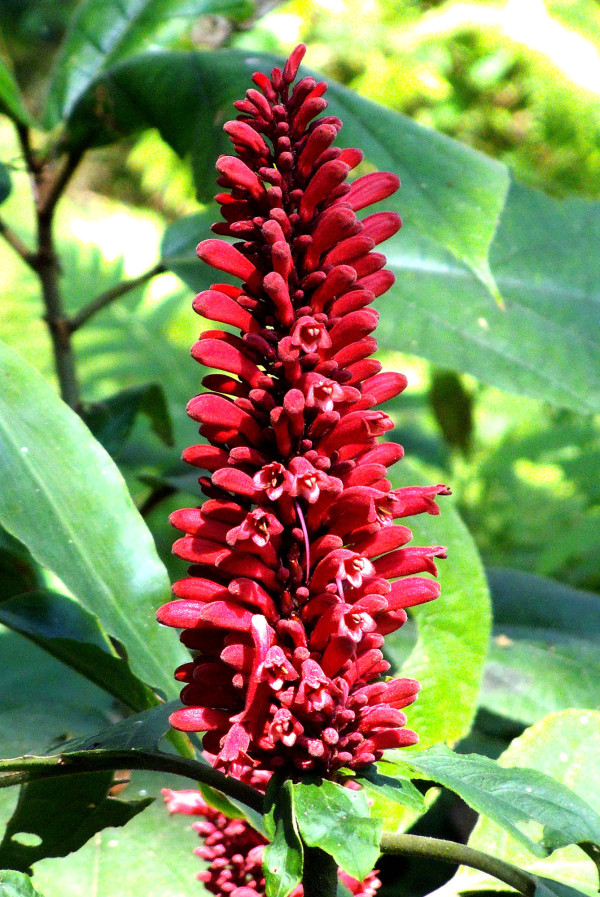
5. Titaphul (Phlogacanthus thyrsiflorus)
6. Naharu (Allium sativum – Garlic)
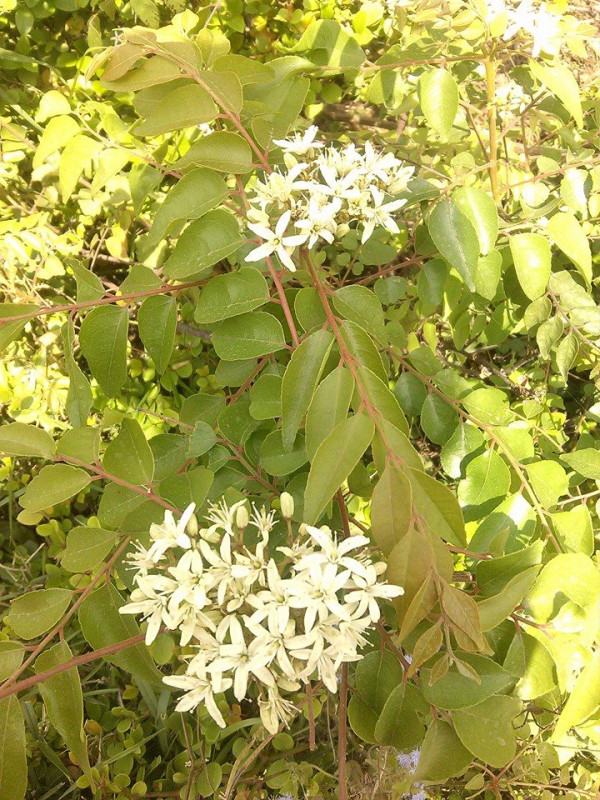
7. Curry Leaves (Murraya koenigii)
Additional Documented Hepato-Protective Plants
The Sivasagar survey recorded several other important species used in therapeutic and supplement forms:
-
Achyranthes aspera
-
Boerhavia diffusa
-
Commelina diffusa
-
Drymaria cordata
-
Eclipta alba
-
Euphorbia hirta
-
Hydrocotyle asiatica
-
Impatiens glandulifera
-
Plantago erosa
These plants are used in whole herb, root, leaf, twig or fruit form depending on availability and tradition.
Common Traditional Formulations
Ethno-medicinal preparation methods include:
Raw Juice Extraction
Fresh leaves are crushed and filtered for immediate consumption.
Paste Formulation
Leaves ground into paste for oral intake. Nearly 37% of herbal preparations in certain communities use this method.
Decoction (Kotha)
Herbs boiled in water to produce concentrated extracts.
Dietary Restrictions
Strict avoidance of alcohol, oily food and heavy meat during treatment to reduce liver stress.
Ethno-Medicine: More Than Folk Belief
Ethno-medicines are complementary healthcare systems deeply linked with culture and ecology. Most formulations are plant-based and rich in vitamins, minerals and phytochemicals.
Bioactive compounds in these plants provide:
-
Hepatoprotective action
-
Anti-viral activity
-
Antioxidant properties
-
Immune system support
Despite over 300 formulations for liver disorders in Indian traditional systems using more than 87 medicinal plants, only four terrestrial plants have undergone rigorous scientific validation under international protocols. This highlights a major research gap.
Public Health Context
WHO estimates:
-
1.5 million new Hepatitis A infections annually
-
500 million people living with chronic Hepatitis B or C
-
Hepatitis B is 100 times more infectious than HIV
In India, nearly 40 million people are infected with Hepatitis B. Northeast India shows particularly high prevalence rates.
This makes Assam's plant-based remedies an important area for pharmacological research and public health innovation.
Conservation and Future Scope
Many medicinal species documented in Sivasagar are becoming rare due to:
-
Habitat destruction
-
Urban expansion
-
Overharvesting
-
Declining transmission of traditional knowledge
Future priorities include:
-
Clinical trials and pharmacological validation
-
In-situ and ex-situ conservation
-
Community awareness campaigns
-
Training traditional practitioners
-
Sustainable collaboration with pharmaceutical sectors
Assam's naturally grown medicinal plants possess strong economic and therapeutic potential if managed sustainably.
Conclusion
The ethno-medicinal plants of Assam represent a powerful intersection of biodiversity and indigenous healthcare wisdom. These remedies, developed through generations of observation and practice, provide accessible and affordable support for liver health.
While modern medicine remains essential for managing serious conditions like hepatitis, the documented plant resources of Assam offer promising complementary solutions. Protecting this knowledge is vital not only for healthcare advancement but also for preserving Assam's cultural heritage.
Disclaimer*: This article is for educational purposes only. Hepatitis is a serious medical condition. Always consult a qualified healthcare provider for diagnosis and treatment before using any traditional remedy.
FAQs on Hepatitis treatment in Assam
1. What are the best medicinal plants for hepatitis treatment in Assam?
Some commonly used medicinal plants in Assam for hepatitis and liver care include Bhui Amla (Phyllanthus niruri), Matikanduri (Alternanthera sessilis), Tulsi (Ocimum tenuiflorum), Hilikha (Terminalia chebula), and Titaphul (Phlogacanthus thyrsiflorus). These plants are traditionally used for their hepatoprotective and detoxifying properties.
2. Is Bhui Amla effective for hepatitis?
Bhui Amla is widely used in Assamese traditional medicine for managing jaundice and liver inflammation. Research suggests it may support liver function and show antiviral activity, particularly against Hepatitis B, but medical supervision is essential.
3. How do Assamese traditional healers treat jaundice?
Traditional healers, often known as Bej, use fresh plant juices, herbal decoctions (kotha), and leaf pastes. Dietary restrictions such as avoiding alcohol and oily food are also strictly followed during treatment.
4. Are Assamese home remedies for liver diseases scientifically proven?
Some medicinal plants used in Assam have shown hepatoprotective, antioxidant, and antiviral properties in laboratory studies. However, many remedies still require extensive clinical validation.
5. Can medicinal plants completely cure hepatitis?
Medicinal plants may support liver health and reduce symptoms, but hepatitis is a serious medical condition. Proper diagnosis and treatment from a qualified healthcare provider are necessary.
6. Which district in Assam has documented ethno-medicinal plants for hepatitis?
An ethno-medicinal survey conducted in Sivasagar district documented 94 plants, with 26 commonly used in anti-hepatitis and anti-influenza formulations.
7. Why is conservation of medicinal plants important in Assam?
Many naturally grown medicinal plants are threatened due to deforestation and anthropogenic activities. Conservation ensures sustainable healthcare resources and preservation of indigenous knowledge.
8. Are traditional liver remedies safe for children?
Some remedies are traditionally used for children, but safety depends on dosage and preparation. Always consult a qualified healthcare professional before use.