Mayong Assam – The Real Land of Black Magic in India
While fiction introduced the world to magical schools and fantasy spells, India has its own real-life mystical destination. Around 40 kilometers from Guwahati, on the banks of the Brahmaputra River in Morigaon district, lies Mayong – famously known as the Land of Black Magic.
For centuries, this quiet village has been associated with tantra, occult practices, traditional healing rituals, and unexplained folklore. Even today, Mayong continues to fascinate historians, researchers, and curious travelers alike.
What is Mayong?
Mayong, also spelled Mayang, is a historic village in Morigaon district of Assam. The name is believed to originate from the Sanskrit word Maya, meaning illusion. Over time, the region became known as a center of tantra kriya, sorcery, and mystical practices in Northeast India.
The village was once considered the cradle of occult traditions in Assam. Local practitioners, known as Bez or Oja, practiced mantras, herbal healing, and ritualistic ceremonies passed down orally from generation to generation.
Why is Mayong Called the Black Magic Capital of India?
Mayong earned this title because of its long association with witchcraft and tantra rituals. For generations, many households reportedly had at least one practitioner of mystical arts. These practitioners did not claim supernatural identity but considered their skills a family-based knowledge system, inherited and preserved carefully.
Unlike fictional magic, Mayong traditions were closely linked with:
-
Healing practices
-
Spiritual rituals
-
Protection ceremonies
-
Tantric worship
Even today, some locals identify themselves as Ayurvedic or traditional healers while maintaining their ancestral knowledge of mantras.
Historical and Mythological Connections
Connection with the Mahabharata
Folklore connects Mayong to the epic Mahabharata. It is believed that Ghatotkacha, the son of Bhima and Hidimbi, acquired magical powers from this region. His legendary ability to change form and control battlefield tactics is often associated with Mayong's mystical traditions.
Ancient Assam, then known as Pragjyotishpur, was historically linked with tantric practices, further strengthening this belief.
The Story of the Vanishing Army
One of the most famous legends dates back to the 14th century. According to folklore, during an attempted invasion in 1337 CE, a large cavalry force sent by Muhammad Shah mysteriously disappeared near Mayong. Stories claim that the army vanished without leaving any trace due to powerful tantric rituals.
While historians debate the authenticity of the claim, the legend continues to be an important part of Mayong's identity.
Mughal Invasions and Local Beliefs
During the Mughal-Ahom conflicts, Emperor Aurangzeb reportedly sent Raja Ram Singh to conquer the Ahom Kingdom. Although historical records credit Ahom general Lachit Borphukan for military success, local legends suggest that fear of Mayong's mystical reputation also influenced invading armies.
These stories, whether factual or symbolic, highlight how deeply magic is embedded in the region’s folklore.
Rituals, Human Sacrifice and Archaeological Evidence
Excavations in Mayong have uncovered ritualistic swords and artifacts similar to those used in sacrificial ceremonies. Some historians suggest that human sacrifice may have been practiced during certain periods, especially under tantric traditions linked to Shakti worship.
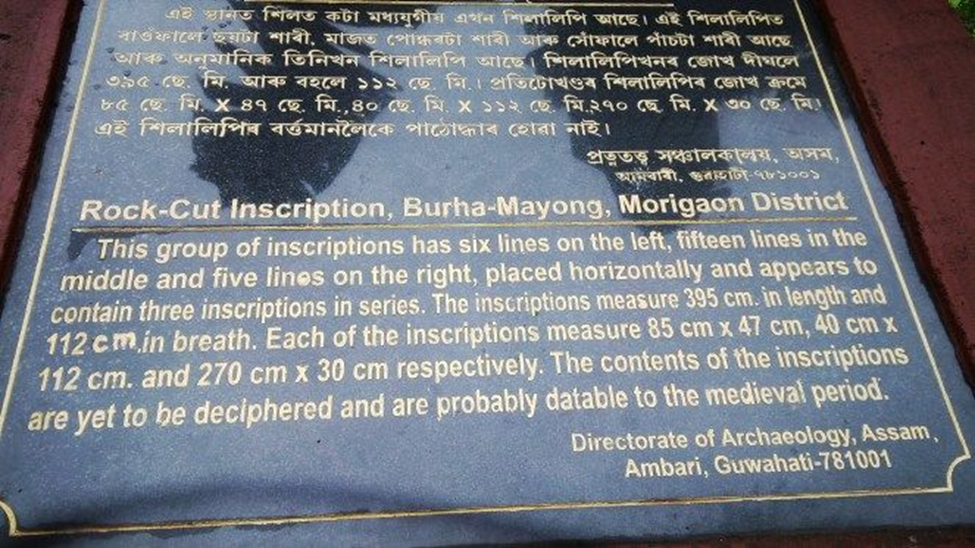
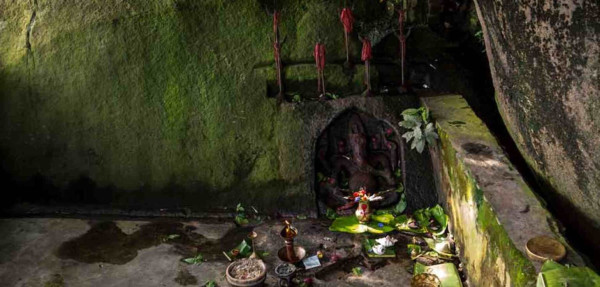
Stone carvings of Shiva, Parvati, Ganesha, Yonipeeth, and Shivalingas found in the region indicate strong tantric and Shakti influences. A large stone inscription measuring approximately 3.85 meters has also been discovered, regarded as one of the longest inscriptions in Asia.
These findings confirm that Mayong was once an important center of tantra and spiritual experimentation.
The Role of the Bez and Oja
Traditional healers known as Bez or Oja played a central role in Mayong society. Their practices included:
-
Herbal treatment for physical illnesses
-
Mantras for snakebite healing
-
Rituals for mental wellness
-
Methods to locate lost objects
One widely discussed practice involves placing a flower inside a metal bowl while chanting mantras. It is believed that the bowl moves in the direction of the lost item. Another popular healing method includes placing a copper plate on the affected body part and chanting mantras to relieve pain.
While such practices may not have scientific backing, they remain an important part of the region’s cultural heritage.
Manuscripts and Secret Knowledge
Many families in Mayong claim to possess handwritten manuscripts containing ancient spells and tantric formulas. These documents are rarely displayed publicly because locals believe the power diminishes if exposed.
Some manuscripts were reportedly destroyed or lost during invasions and political turmoil. Others were deliberately hidden to prevent misuse.
The oral transmission of knowledge ensured that only selected family members inherited these practices.
Mayong Central Museum and Research Centre
To preserve this unique heritage, the Mayong Central Museum and Research Centre was established in 2002. The museum houses:
-
Ancient manuscripts written on Sanchi Paat
-
Ritual artifacts
-
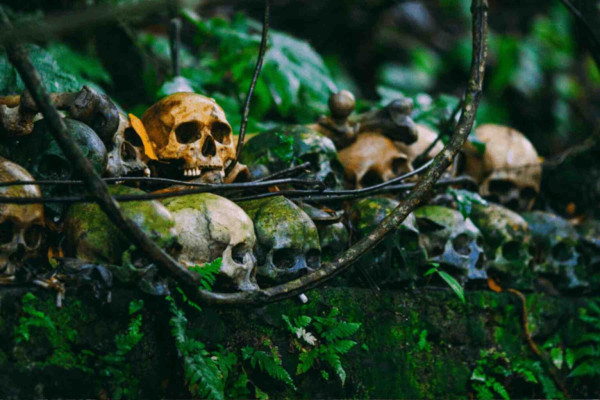
Skulls and ceremonial objects
-
Tantric symbols
It offers valuable insight into Assam’s mystical past and serves as an important research hub.
Present-Day Mayong
Today, Mayong is gradually shifting from feared occult center to cultural heritage site. Many traditional practices have declined, and younger generations are pursuing modern education and professions.
However, the mystique of Mayong continues to attract researchers and curious visitors who want to understand its blend of myth, spirituality, and history.
The best time to visit Mayong is between October and March, when the weather is pleasant.
Conclusion
Mayong stands as a powerful symbol of Assam’s mystical and cultural depth. Whether one believes in supernatural forces or not, the village represents a rare fusion of mythology, tantra traditions, and historical narratives.
It is not just a land of black magic stories but a living archive of ancient knowledge, folklore, and spiritual experimentation that shaped regional identity for centuries.