Introduction: What is Jurun Diya in an Assamese Wedding?
An Assamese wedding is a graceful blend of ritual, music, symbolism, and emotional bonding. Among its most cherished traditions is Jurun Diya, a beautiful pre-wedding ceremony that formally welcomes the bride into the groom's family.
Celebrated across Assam, Jurun usually takes place one or two days before the wedding, sometimes even on the wedding day morning. It is a ceremony led primarily by the women of the groom's family and represents acceptance, blessings, and respect for the bride.
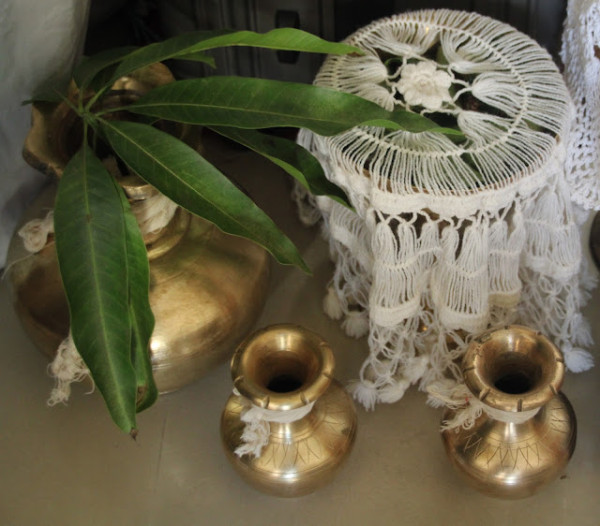
Jurun is also known as Tekeli Diya, named after the auspicious pot presented during the ritual.
When and How Jurun Takes Place
Jurun is typically organized in the morning or before noon. Before leaving for the bride's home, the groom and his family receive blessings from relatives and elders gathered at their residence. Importantly, the groom does not accompany the procession.
The ceremony centers around the groom's mother, sisters, aunts, and close female relatives visiting the bride's house with gifts, sacred items, and traditional attire.
Aam Dali Gutha: The Auspicious Beginning
On the day of Jurun, a string of mango leaves called Aam Dali Gutha is tied over the entrance of the bride's house. This ritual is believed to purify the space, ward off negative energy, and invite prosperity for the couple.
This small yet meaningful gesture reflects Assamese belief in nature's protective powers.
Sacred Items Carried to the Bride's Home
The groom's family carries several symbolic items, each holding cultural significance.
1. Luta and Xorai
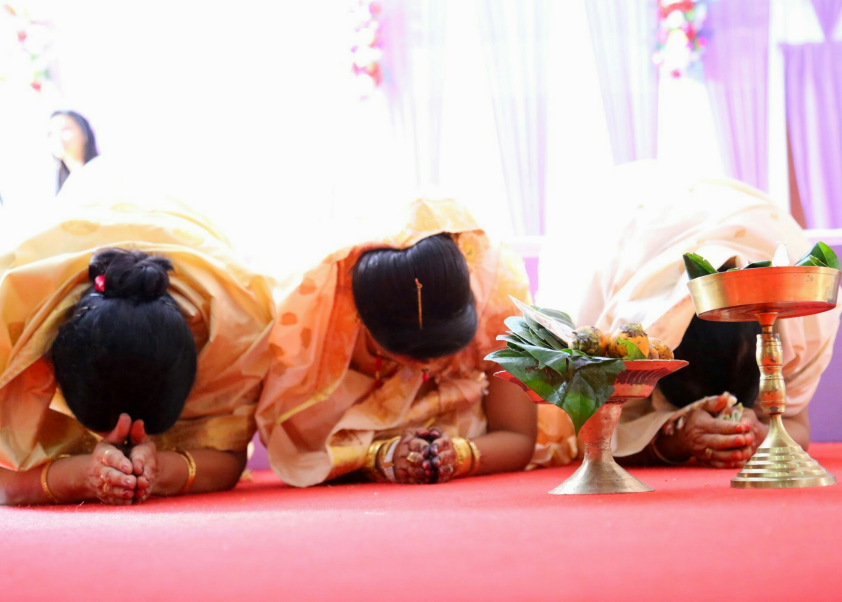
Two small bell-metal vases called luta are filled with water and tied with sacred thread. A traditional Assamese tray known as Xorai is placed over them. These items are kept at the bride's home until the wedding.
One luta is later taken back to the groom's house, and the water inside is used in a ritual called pani tula, where the groom bathes before the wedding ceremony.
2. Wedding Trousseau
The most important gift is the Mekhela Chador, usually crafted from paat or muga silk. The white and gold bridal set is especially significant.
Along with the Mekhela Chador, the bride receives:
-
Jewelry
-
Cosmetics
-
Footwear
-
Accessories
-
Daily essentials
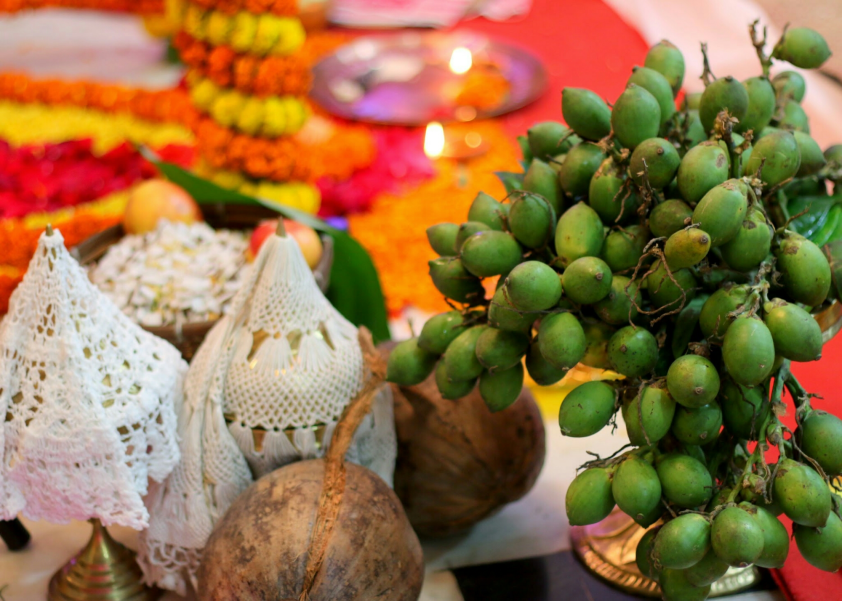
The groom's family also brings sweets, snacks, a whole fish, ash gourd placed inside a handcrafted bamboo container called Tum, and areca nuts.
These items symbolize abundance and prosperity.
The Grand Welcome
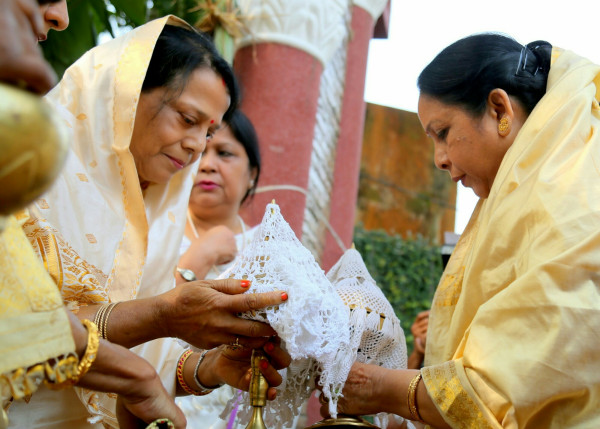
Upon arrival, the bride's mother and female relatives welcome the guests warmly. They exchange Xorai containing tamul-pan and offer a gamosa as a mark of respect.
Guests are seated traditionally, often on the floor, reflecting humility and equality.
Adorning the Bride: The Emotional Core of Jurun
Once the bride is brought to the venue, she is seated at the center, usually on a low wooden stool called pira.
Murot Tel Diya
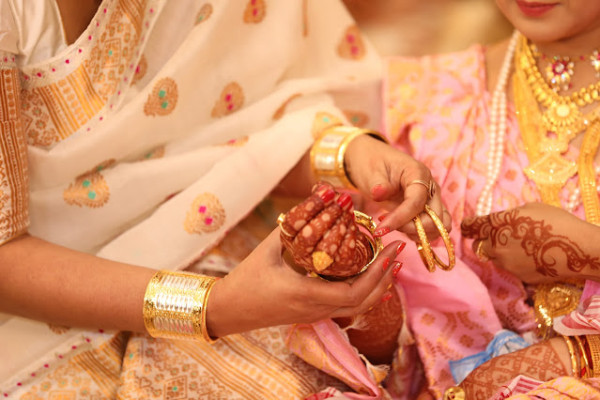
The ceremony begins with murot tel diya, where the groom's mother applies oil to the bride's hair. A ring is placed on her head, and oil is poured through it, symbolizing purification and blessing.
During this moment, women produce a sacred ululation sound known as uruli diya.
Tel-Sindoor Diya
After oil application, the groom's mother applies sindoor on the bride's hair parting. In Assamese tradition, this symbolic act sometimes happens before the actual wedding ceremony and signifies her acceptance as a future daughter-in-law.
Stacking of Trousseau
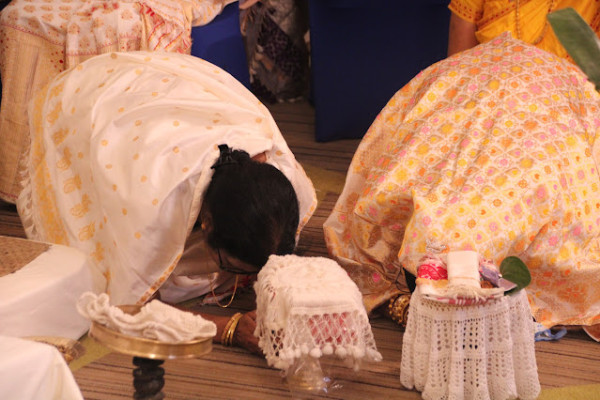
The outfits and jewelry are placed one by one on the Xorai. The bride must touch every item as it is presented, symbolizing acceptance. She usually wears the jewelry gifted by the groom's family during the ceremony.
The main white and gold chador is placed on her head as a mark of dignity and grace.
The Role of Biya Naam
Throughout the ritual, elderly women sing Biya Naam, traditional Assamese wedding songs filled with emotion and blessings.
One popular line often sung is:
Translation: Come out, dear one, do not be shy. We are waiting for you among the gathered guests.
The singing creates an atmosphere of warmth, nostalgia, and cultural pride.
The Mirror Ritual
In many families, a mirror is presented to the bride. After being adorned, she looks into it, symbolizing reflection, beauty, and good fortune. The mirror is believed to bring luck and is often kept with her after marriage.
Exchange of Gifts
Jurun is not one-sided. The bride's family also sends gifts for the groom, including:
-
Dhoti
-
Kurta
-
Cheleng chador
-
Footwear
-
Sweets and essentials
This mutual exchange reinforces equality and bonding between the two families.
Half of certain food items brought by the groom's side are traditionally sent back with them, symbolizing sharing and unity.
Dress Code and Cultural Aesthetics
An unspoken tradition during Jurun is that close female relatives wear white and gold Mekhela Chador. The visual harmony of coordinated attire enhances the elegance of the ceremony.
Jurun as a Cultural Statement
Unlike dowry-based traditions seen in some parts of India, Jurun emphasizes giving rather than demanding. It highlights that the bride is welcomed with love, respect, and gifts.
This makes Jurun a progressive cultural practice rooted in dignity and celebration.
Historical and Cultural Context
Assam has long been associated with myth and tradition, as mentioned in A History of Assam by Sir Edward Gait. Assamese wedding rituals like Jurun reflect this deep historical continuity.
Folklorists such as Benudhar Rajkhowa have documented how rituals combine spiritual symbolism with social structure, making ceremonies like Jurun culturally indispensable.
Why Jurun Matters Today
Jurun marks:
-
The formal acceptance of the bride.
-
The joining of two families.
-
The emotional transition into married life.
-
The beginning of wedding rituals.
It sets a joyful and respectful tone for the wedding ceremony that follows.
Even in modern times, Jurun continues to be celebrated with pride, preserving Assamese identity and tradition.
Conclusion
Jurun Diya is more than a ritual. It is a celebration of love, femininity, culture, and belonging. As Biya Naam fills the air and the bride is adorned in silk and gold, Jurun quietly marks the beginning of a new chapter.
It reflects the warmth, respect, and deep-rooted heritage that define Assamese weddings.