Introduction: Where Indigenous Knowledge Meets Modern Pharmacology
Located in Northeast India, Assam is globally recognized as a biodiversity hotspot. Beyond its ecological richness, the region preserves deep ethnomedicinal traditions among tribal communities such as the Mishing, Deori, Bodo, and Karbi.
For generations, local healers known as Ojhas have treated helminthiasis, commonly called intestinal worm infection, using indigenous medicinal plants. In many rural areas of Assam, these remedies remain a primary healthcare solution.
Today, rising resistance to synthetic deworming medicines has renewed scientific interest in these traditional practices. Researchers are now validating Assamese home remedies through laboratory studies, creating a bridge between folklore and pharmacological science.
Ethnobotanical Findings: 149 Documented Medicinal Species
A comprehensive review of 42 research manuscripts published between 2006 and 2025 compiled data from Google Scholar, PubMed, ResearchGate, NISCAIR, and Scopus.
Key findings include:
149 medicinal plant species documented for helminth treatment
115 genera and 63 plant families identified
Fabaceae, Rutaceae, Solanaceae, and Lamiaceae are most represented
Leaves are the most used plant part at 35%, followed by fruits, roots, and seeds. Remedies are mainly prepared as decoctions, juices, raw consumption, or pastes mixed with honey or salt
Administration is predominantly oral
Despite this extensive use, scientific validation remains partial:
87.29% evaluated in vitro
5.93% tested in vivo
6.78% studied using both methods
This indicates a strong need for further clinical research.
Common Medicinal Plants Used in Assam for Deworming
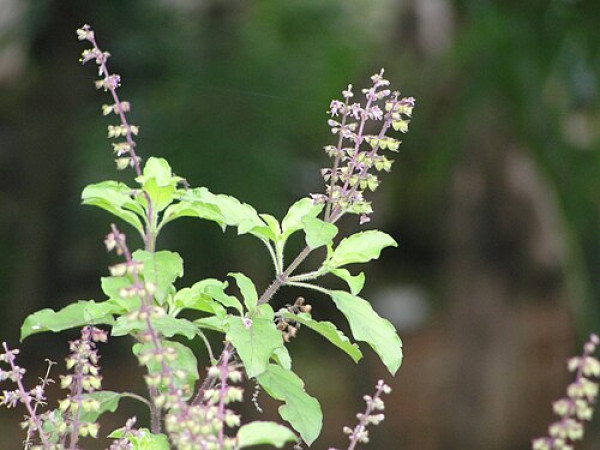
1. Bon Tulsi (Ocimum canum / Ocimum sanctum)
Traditional Use: Fresh leaf sap is consumed to eliminate intestinal worms.
Scientific Insight: Ocimum species contain potent anthelmintic phytochemicals confirmed through pharmacological studies.
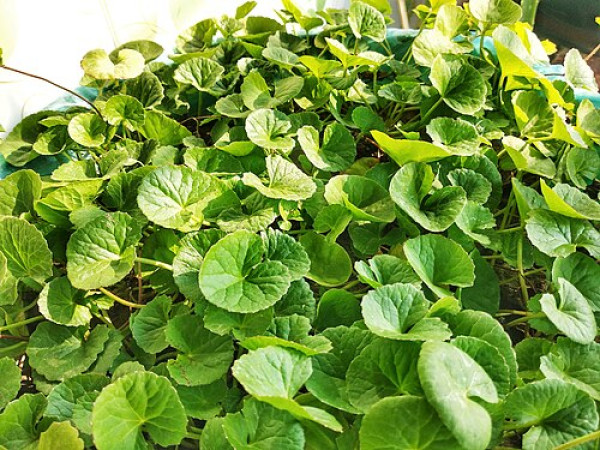
2. Manimuni (Centella asiatica / Hydrocotyle sibthorpioides)
Traditional Use: Bor Manimuni and Horu Manimuni are prepared as boiled decoctions to treat worm infections.
Scientific Evidence: Studies indicate effectiveness against roundworms and pinworms.
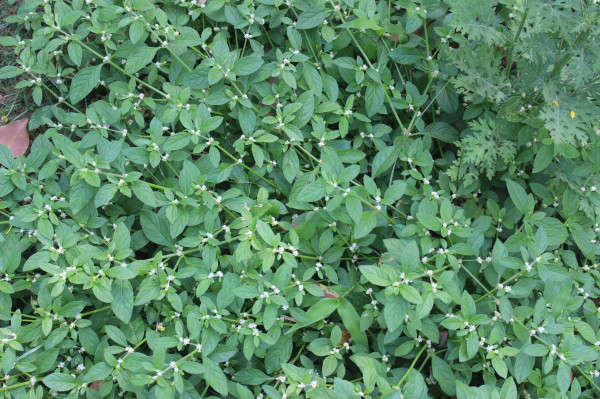
3. Matikaduri (Alternanthera sessilis)
Traditional Use: Consumed as cooked greens or leaf juice for stomach disorders, dysentery, and worm-related digestive issues.
Scientific Basis: Exhibits cooling, tonic, and mild purgative properties that aid intestinal cleansing.
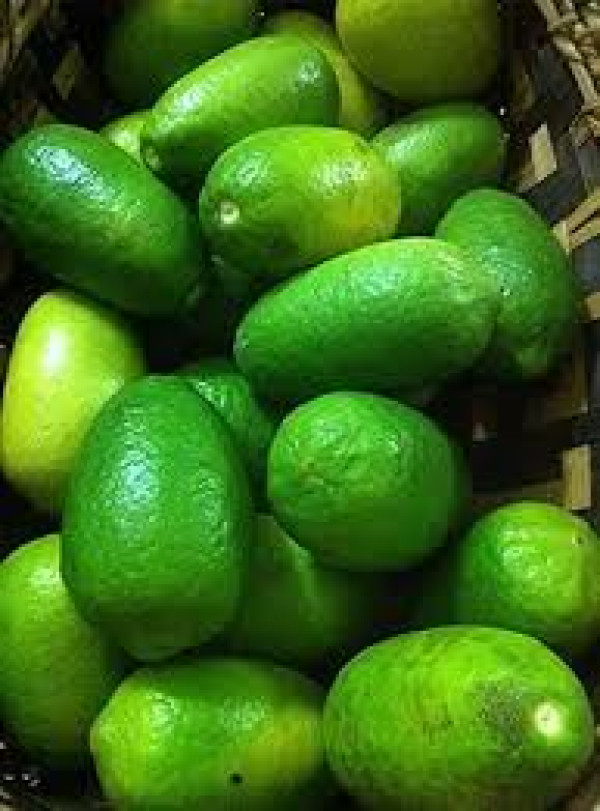
4. Kaji Nemu (Citrus acida)
Traditional Use: Three crushed seeds mixed with honey are administered to children to expel intestinal worms.
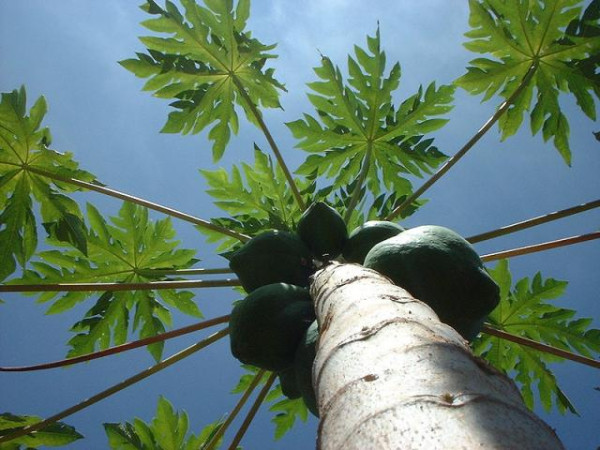
5. Amita (Carica papaya)
Traditional Use: Ten crushed papaya seeds taken with honey or sugar for 3 to 4 days to treat hookworms.
Scientific Validation: In vitro studies confirm papaya extracts effectively kill parasites.
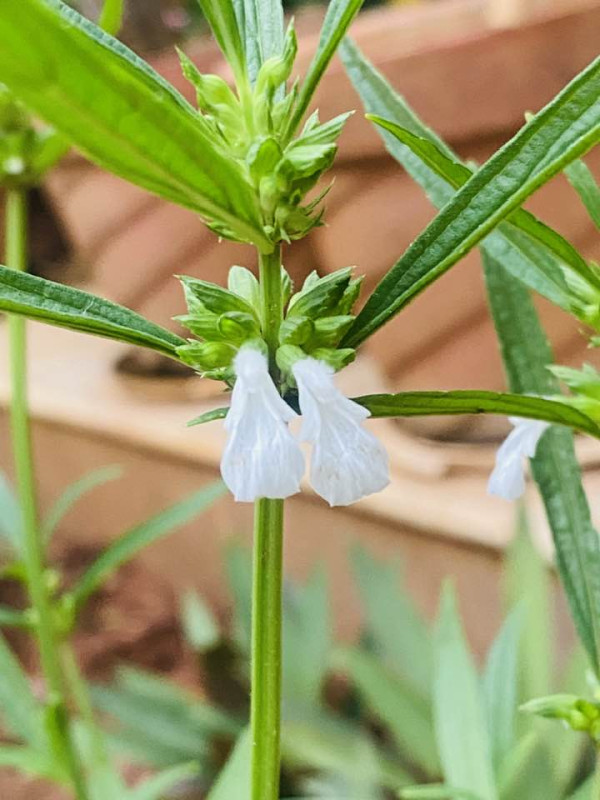
6. Durun Bon (Leucas aspera)
Traditional Use: Flower paste mixed with honey to remove roundworms.
Bioactive Compounds and Mechanism of Action
Scientific investigations on species such as Morinda angustifolia, Carica papaya, and Nyctanthes arbor-tristis show the presence of powerful phytochemicals.
Identified active compounds include:
Azadirachtin
Embelin
Andrographolide
Mimosine
Eugenol
These compounds act similarly to synthetic anthelmintic drugs by:
Paralyzing worms
Disrupting metabolic processes
Causing parasite death and expulsion
Alkaloids, flavonoids, and tannins are the major phytochemical groups responsible for this activity.
Bridging Indigenous Knowledge with Laboratory Validation
Research conducted in districts such as Darrang and Udalguri indicates that more than 65% of plants used traditionally show experimental evidence of anthelmintic properties.
Scholars including Swargiary et al., 2020 and regional university researchers have emphasized the importance of documenting Ojha knowledge and validating it scientifically. Institutions such as Bodoland University are contributing to ethnobotanical and pharmacological research in Assam.
This shift from folklore to laboratory science demonstrates that many traditional Assamese remedies are not myths but evidence-based treatments awaiting deeper validation.
Conservation Challenges and Future Scope
Although 149 plant species have been documented, indigenous medicinal knowledge faces serious threats:
Lack of systematic documentation
Reduced interest among younger generations
Increasing dependence on commercial pharmaceuticals
Habitat degradation and biodiversity loss
Future priorities include:
Isolation of bioactive compounds
Toxicity and safety assessment
In vivo and clinical trials
Sustainable harvesting and conservation strategies
Assam's ethnomedicinal flora represents a largely underexplored resource for affordable, plant-based anthelmintic drug development.
Key Highlights
149 medicinal plants documented in Assam for helminth infections
Leaves are the most frequently used plant part
The majority of studies were conducted only in vitro
Strong potential for plant-based drug development
Urgent need for conservation and scientific validation
Conclusion
Medicinal plants for helminth treatment in Assam illustrate a powerful connection between indigenous wisdom and modern pharmacology. What began as oral tradition among tribal communities is now gaining laboratory validation.
Preserving this knowledge is essential not only for healthcare innovation but also for protecting the cultural heritage of Assam. With focused scientific research and sustainable practices, these traditional remedies can shape the future of plant-based anthelmintic therapies.
Disclaimer*: This article is for educational purposes based on documented research studies. Consult a qualified healthcare professional before using any traditional remedy, especially for children or serious infections.