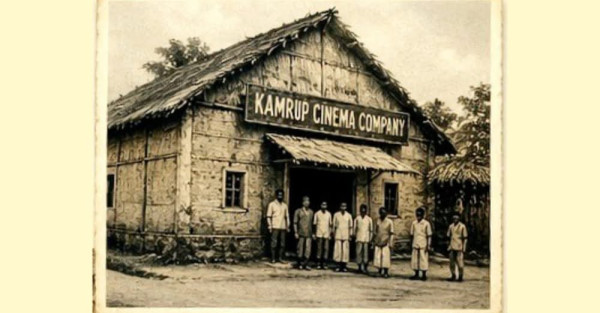
Guwahati is widely known today for its modern lifestyle, temples, and growing urban culture. However, hidden within its rich heritage lies a fascinating story about the beginning of cinema in the city. Long before multiplexes and digital entertainment, Guwahati witnessed its first cinematic experience through the establishment of the Kamrup Cinema Company, the city's earliest movie hall.
The Beginning of Cinema in Guwahati
The Kamrup Cinema Company was established in the early 20th century in the Panbazar area near Nagkota Pukhuri. At a time when cinema itself was still new across India, this small theatre marked the arrival of film culture in Assam. It was a silent cinema hall, operating before the introduction of sound in films, and quickly became a place of curiosity and excitement for the local population.
Founder and Ownership
The cinema hall was owned by Rafiqul Rasul, a respected local landholder. He was also related to Fakhruddin Ali Ahmed. His initiative played a crucial role in bringing cinema to Guwahati at a time when very few such establishments existed in the country.
Structure and Seating Arrangement
The Kamrup Cinema Company was simple in construction but significant in impact. The structure featured bamboo mat walls and a clay-leveled floor, reflecting the modest resources available during that period.
The seating arrangement was designed to accommodate people from different economic backgrounds:
- Wooden chairs priced at 12 annas
- Wooden benches at 2 annas
- Bamboo mats at 1 anna
The hall could accommodate around 50 to 60 viewers at a time, creating an intimate and shared viewing experience.
The Silent Film Experience
Films screened at the theatre were silent and projected using a 16mm projector onto a 10 x 16 foot screen. Despite the absence of sound, audiences were captivated by the expressive performances of actors, especially global icons like Charlie Chaplin.
The atmosphere inside the hall was unique. Before each screening, a small musical group performed behind the screen to engage the audience. A whistle would then signal the beginning of the show, adding rhythm and anticipation to the experience.
Interestingly, new film reels often took four to five months to arrive. Yet, people returned repeatedly to watch the same films, driven by curiosity and fascination with this new form of storytelling.
Cultural Importance and Public Response
Cinema during that era was more than just entertainment. It was a new cultural phenomenon that attracted both common people and the elite. Visitors came not only to watch films but to experience something entirely new and exciting.
The Kamrup Cinema Company became a social hub where people gathered, shared laughter, and experienced the magic of moving images together. It marked Guwahati's early connection with global cinematic trends.
Transition and Decline
With the arrival of sound in cinema, audience preferences began to shift. Silent films gradually lost their appeal, and traditional halls struggled to adapt. Eventually, the ownership of the Kamrup Cinema Company changed, and the hall was later renamed Sati Talkies.
Over time, the original structure disappeared, and with it, a significant chapter of Guwahati's cultural history slowly faded.
Legacy and Historical Significance
Although the physical structure no longer exists, its legacy continues through memories preserved by old families and businesses in Panbazar, such as Mahamaya, Sheikh Brothers, and B.N. Dey.
At a time when cinema halls in India were extremely rare, the establishment of the Kamrup Cinema Company was a remarkable achievement. It introduced a new form of storytelling and entertainment to the people of Assam and laid the foundation for the region's cinematic journey.
Today, every cinema hall in Guwahati carries forward a legacy that began in that modest space over a century ago.
Conclusion
The story of the Kamrup Cinema Company is not just about a building but about the beginning of a cultural transformation in Guwahati. It reflects how the city embraced modern entertainment while maintaining its unique identity.
Remembering the first cinema hall is important, as it highlights a forgotten yet significant part of Assam's history and heritage. It stands as a symbol of curiosity, innovation, and the timeless human love for storytelling.