Introduction: Nature, Culture and Healing
Assam's biodiversity has nurtured one of India’s most sophisticated indigenous health traditions. Among the largest ethnic communities of Northeast India, the Bodo people of the Bodoland Territorial Region have preserved a deeply rooted ethnomedicinal system based on forest plants, agricultural biodiversity and spiritual philosophy.
Long before institutional healthcare reached remote villages, the Bodo community relied on Ojha healers who possessed detailed knowledge of plant identification, preparation techniques and disease diagnosis. Their system is preventive, curative and spiritual at the same time.
Philosophy of Bodo Traditional Medicine
Bodo ethnomedicine is holistic. Health is believed to be a balance between body, mind, spirit and environment. Illness may arise from physical causes or from imbalance with nature and local deities such as:
-
Dwi ni mwdai (river deity)
-
Hagra ni mwdai (forest deity)
-
Gamini mwdai (village deity)
Healing therefore includes:
-
Herbal juices and decoctions
-
Pastes and powdered medicines
-
Small herbal globules
-
Ritual chanting and amulets
-
Magico-religious practices when required
Everything in nature is interconnected, and harmony ensures good health.
Ethnomedicinal Study and Documentation
A detailed survey in Udalguri district of BTAD recorded 44 plant species belonging to 40 genera and 30 families used specifically for jaundice treatment. Fruits were the most commonly used plant part, followed by bark and whole plants.
Five major herbal formulations were documented:
Complete List of few Indigenous Medicinal Plants Used by the Bodo Community
In Bodo traditional medicine, fever is not viewed as a single disease but as a symptom of internal imbalance, liver dysfunction, seasonal infection or malaria-related conditions. Many of the documented plants are included in herbal formulations because of their cooling, detoxifying, anti-inflammatory and antimicrobial properties.
Fever Associated with Jaundice
In many rural cases, jaundice presents with mild to moderate fever. Plants such as:
-
Phyllanthus emblica (Amblai)
-
Terminalia chebula (Selekha)
-
Terminalia bellirica (Bhaora)
-
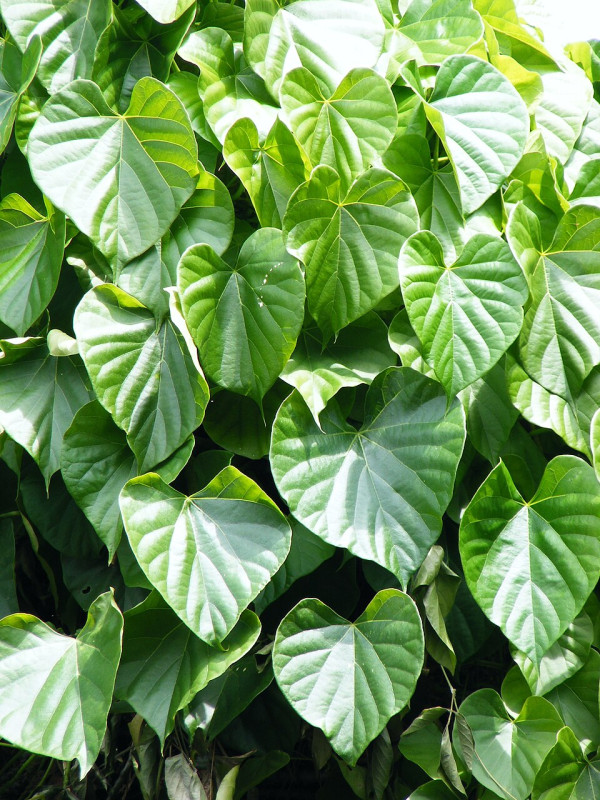
Tinospora cordifolia (Amar lota)
-
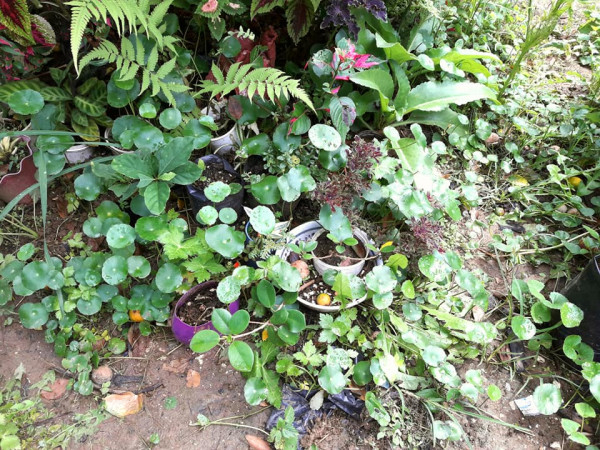
Centella asiatica (Mana-muni-gidir)
are traditionally used because they support liver function, purify blood and reduce body heat. In Bodo healing philosophy, reducing internal heat helps lower fever naturally.
Malaria-Type Fever
In riverine and forest regions of Assam, malaria has historically been common. Certain plants among the 44 are believed to reduce recurring fever episodes:
-
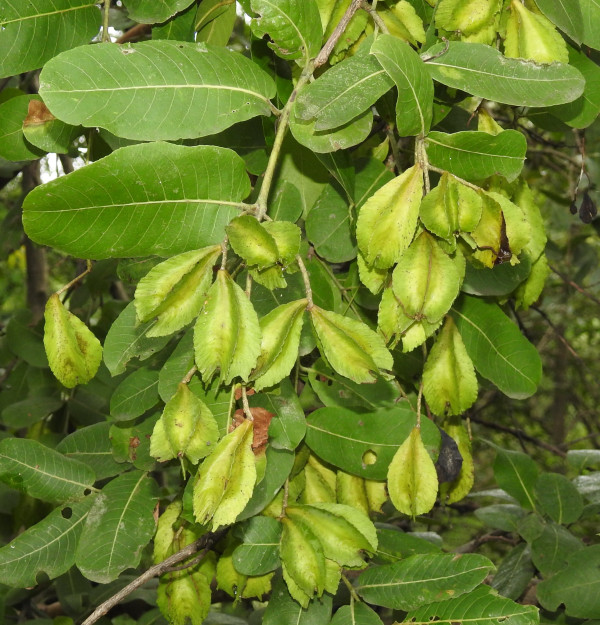
Alstonia scholaris bark is traditionally used for intermittent fever.
-
Oroxylum indicum bark is used in febrile conditions linked with infection.
-
Piper longum and Piper nigrum are included in formulations to stimulate circulation and enhance absorption of herbal compounds.
-
Curcuma longa (turmeric) is valued for its anti-inflammatory and immune-supportive role.
Cooling and Detoxifying Herbs
Some plants are specifically added to reduce body temperature:
-
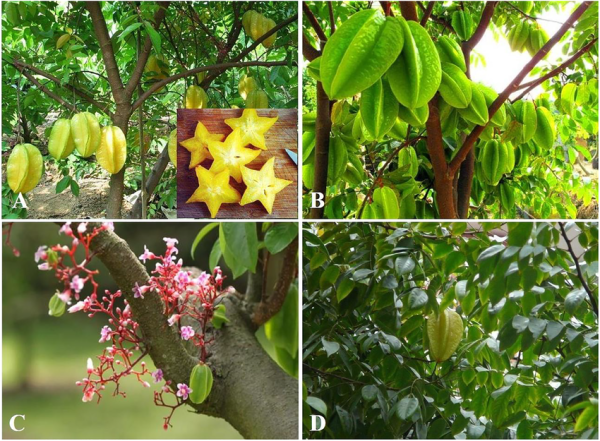
Averrhoa carambola fruit is considered cooling and useful in mild fever.
-
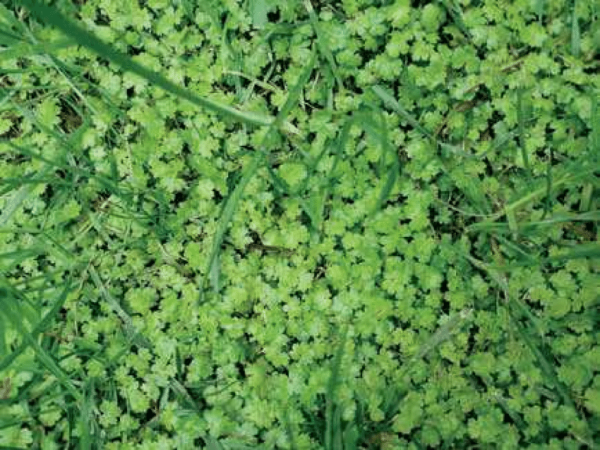
Hydrocotyle sibthorpioides and Centella asiatica help regulate digestion and metabolic heat.
-
Drymaria cordata is traditionally given in inflammatory fever conditions.
Immune-Strengthening Plants
Fever in indigenous understanding often signals weakened immunity. Therefore, plants such as:
-
Ocimum tenuiflorum (Tulshi)
-
Tinospora cordifolia
-
Terminalia arjuna
are used to strengthen resistance and speed recovery.
Spiritual Causes of Fever
In some cases, fever is believed to be caused by an imbalance with deities or supernatural forces. When fever persists without clear physical symptoms, herbal treatment may be combined with ritual prayers, amulets or offerings to restore harmony.
Below is the documented enumeration from Amomum subulatum Roxb to Zanthoxylum oxyphyllum Edgew.
-
Amomum subulatum Roxb [Zingiberaceae] – Bor-Elashi – Seed
-
Achyrenthes aspera L [Amaranthaceae] – Sampher-ultha – Root, stem
-
Areca catechu L [Arecaceae] – Goi – Fruit peel
-
Artocarpus heterophyllus Lam [Moraceae] – Khantal – Bark, leaf
-
Averrhoa carambola L [Oxalidaceae] – Khwrdwi/Khambrenga – Fruit
-
Capsicum annuum L [Solanaceae] – Phanlubwddwn – Fruit
-
Cassia fistula L [Fabaceae] – Sonari – Fruit, bark
-
Centella asiatica (L.) Urb [Apiaceae] – Mana-muni-gidir – Whole plant
-
Cinnamomum verum J.Presl [Lauraceae] – Dalchini – Bark
-
Cocos nucifera L [Arecaceae] – Naringkhol – Pericarp peel
-
Curcuma longa L [Zingiberaceae] – Haldwi – Rhizome
-
Curcuma caesia Roxb [Zingiberaceae] – Haldwigwswm – Rhizome
-
Cuscuta reflexa Roxb [Convolvulaceae] – Gwmwbendwng – Whole plant
-
Cyclea peltata [Menispermaceae] – Phennel-Khuga – Leaf
-
Drymaria cordata [Caryophyllaceae] – San-mijingkri – Whole plant
-
Euphorbia royleana Boiss [Euphorbiaceae] – Sijou – Leaf
-
Elettaria cardamomum [Zingiberaceae] – Choto-elashi – Seed
-
Flueggea leucopyrus [Phyllanthaceae] – Huken – Leaf
-
Hellenia speciosa [Costaceae] – Buri-thokon – Rhizome
-
Hydrocotyle sibthorpioides [Araliaceae] – Mana-muni-pisa – Whole plant
-
Impatiens balsamina L [Balsaminaceae] – Gwthi-khwra – Leaf
-
Lawsonia inermis L [Lythraceae] – Jenthoka – Leaf
-
Leucas aspera [Lamiaceae] – Brahmaputra-Khansisa – Leaf, root
-
Mangifera indica L [Anacardiaceae] – Thaijou – Bark, fruit, seed
-
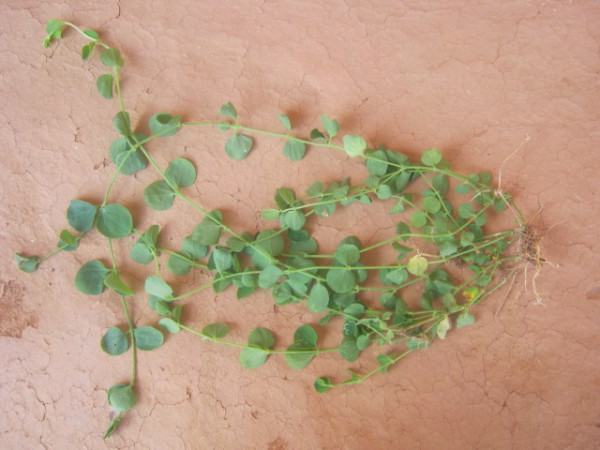
Marsilea quadrifolia L [Marseliaceae] – Dwini-singri – Whole plant
-
Morinda angustifolia Roxb [Rubiaceae] – Asuka – Root
-
Morus alba L [Moraceae] – Thaikongsib/Jabgeng – Root
-
Musa balbisiana Colla [Musaceae] – Thalir athia – Root
-
Myristica fragrans Houtt [Myristicaceae] – Joi-phol – Aril
-
Ocimum tenuiflorum L [Lamiaceae] – Tulshi – Leaf, twig, root
-
Oroxylum indicum [Bignoniaceae] – Kharokhandai – Bark
-
Persicaria strigosa [Polygonaceae] – Alari-gufur – Leaf
-
Phyllanthus emblica L [Phyllanthaceae] – Amblai – Fruit
-
Piper longum L [Piperaceae] – Phatwi – Fruit
-
Piper nigrum L [Piperaceae] – Gol-moris – Fruit
-
Plumbago zeylanica L [Plumbaginaceae] – Agwi-ashi – Root
-
Senna occidentalis [Fabaceae] – Soleng – Leaf
-
Stephania rotunda Lour [Menispermaceae] – Swima-Kuntutri – Tuber
-
Syzygium aromaticum [Myrtaceae] – Long – Flower bud
-
Terminalia arjuna [Combretaceae] – Arjun – Bark
-
Terminalia bellirica [Combretaceae] – Bhaora – Fruit
-
Terminalia chebula Retz [Combretaceae] – Selekha – Fruit
-
Tinospora cordifolia [Menispermaceae] – Amar lota – Stem
-
Zanthoxylum oxyphyllum Edgew [Rutaceae] – Jabrang – Fruit
Cultural and Scientific Importance
This knowledge is not limited to herbal curing. It represents an ecological understanding developed over generations. However, modernization, deforestation and declining youth participation threaten this heritage.
Documentation and scientific validation may open pathways for new drug discoveries while preserving cultural identity.
Conclusion
The indigenous health care system of the Bodo community reflects harmony between biodiversity, spirituality and preventive medicine. The 44 medicinal plants recorded for jaundice treatment demonstrate the depth of Bodo ethnobotanical knowledge and highlight the need for preservation and further research.