Bandor Kekua Medicinal Uses in Assam: Benefits of Velvet Bean in Traditional Medicine
What is Bandor Kekua in Assam?
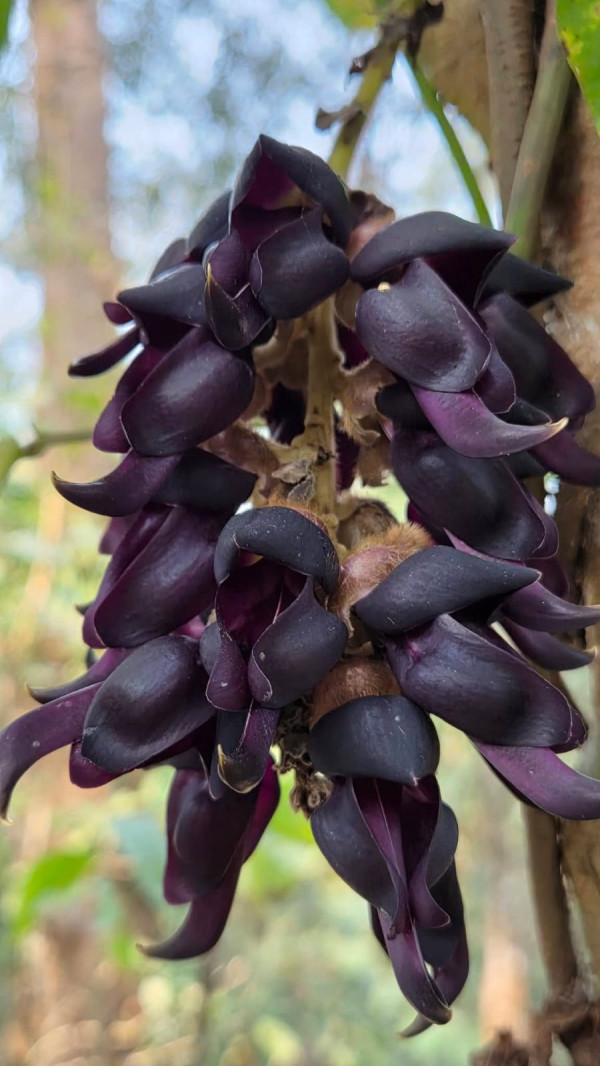
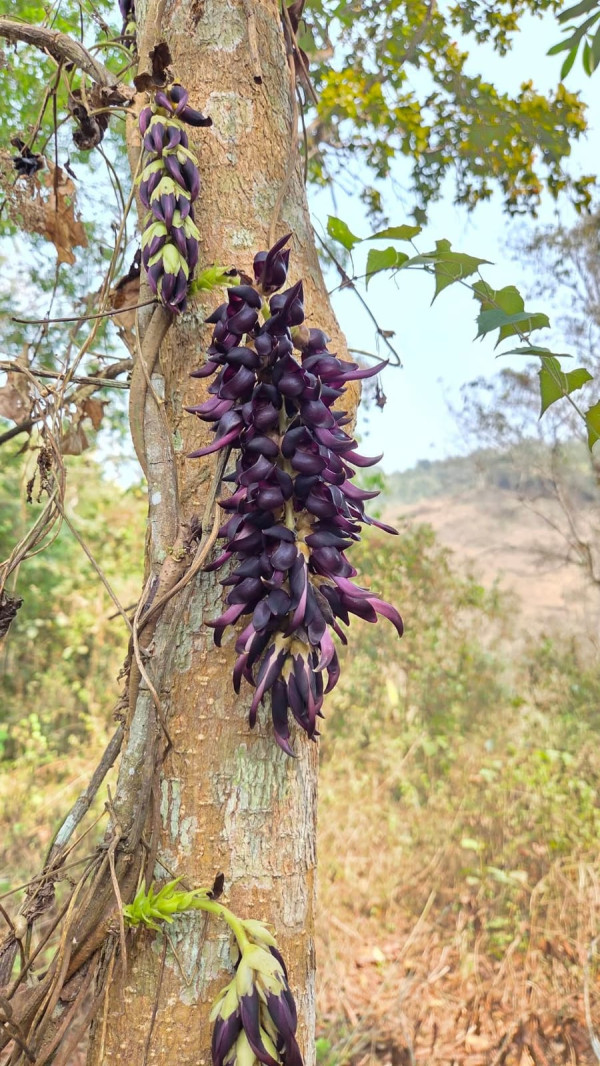
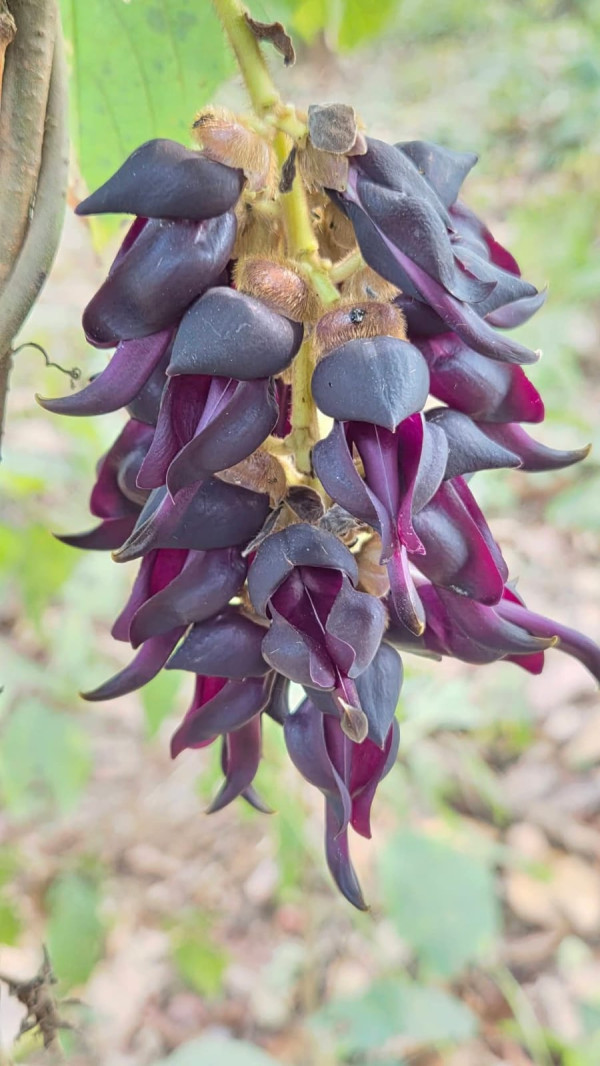
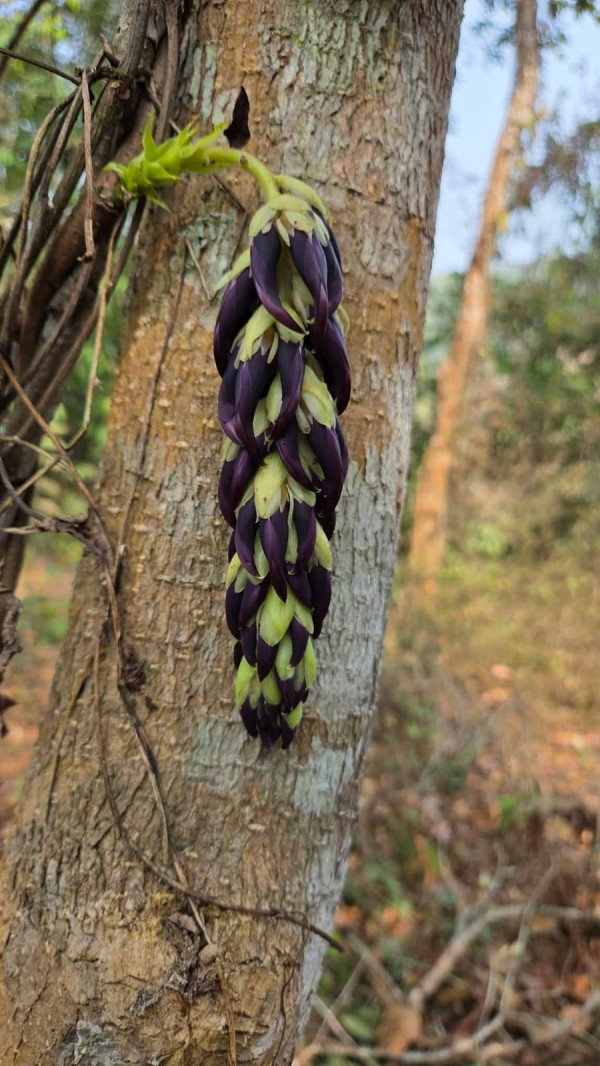
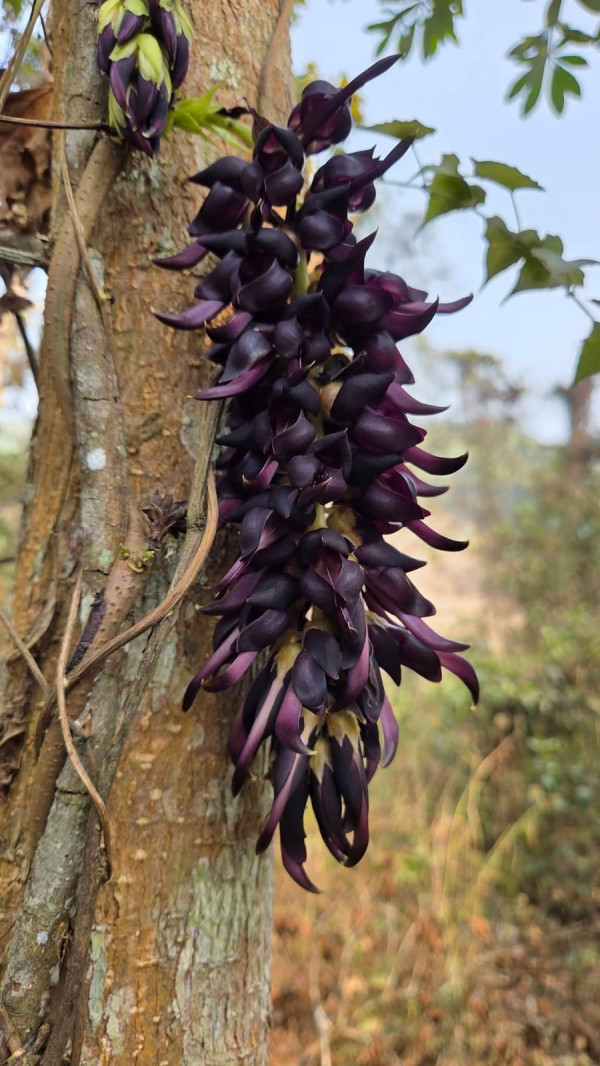
Bandor Kekua, locally known as বান্দৰ কেঁকোৱা, refers to the medicinal plant scientifically called Mucuna pruriens. In English it is known as Velvet Bean, in Hindi as Kavach Beej or Kapikachu, and in Bengali as Alkushi.
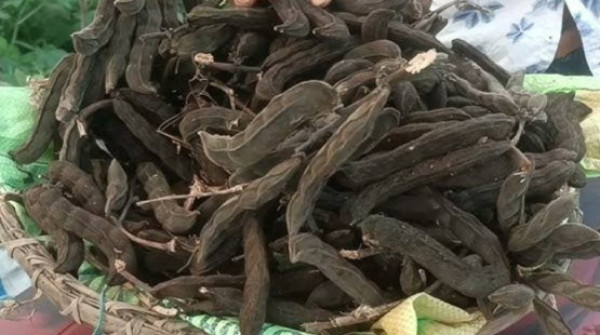
Although the plant is widely feared for the severe itching caused by the tiny hairs on its pods, it is one of the most valuable medicinal plants in Assamese traditional medicine.
The name Bandor Kekua literally means monkey's itch, referring to the intense skin irritation caused by contact with the wild variety of the plant.
Why Bandor Kekua Is Important in Assamese Traditional Medicine
Despite its reputation for itching, Bandor Kekua has been consumed since ancient times, especially among hill communities of Assam. It has strong Ayurvedic value and is used in various traditional preparations.
The plant contains L-DOPA, a natural compound essential for dopamine production in the brain. This makes it especially important in managing neurological conditions such as Parkinson's disease.
Bandor Kekua is valued for:
-
Increasing physical strength
-
Improving fertility in men and women
-
Supporting nerve and brain health
-
Boosting sexual vitality
-
Acting as a natural antidepressant
Health Benefits of Bandor Kekua
According to local cultivators and traditional practitioners, Bandor Kekua offers multiple health benefits:
-
Helps manage Parkinson's disease
-
Boosts dopamine production
-
Acts as an anti-aging agent
-
Increases testosterone levels
-
Improves digestion
-
Controls cholesterol
-
Reduces blood sugar
-
Helps manage high blood pressure
-
Detoxifies the body
-
Contains antimicrobial and antioxidant properties
-
Supports tumor growth prevention
-
Strengthens nervous and brain systems
Its wide range of medicinal properties has increased its demand in the herbal and Ayurvedic medicine markets.
Edible and Practical Uses
Many people are unaware that Bandor Kekua is edible when properly processed.
-
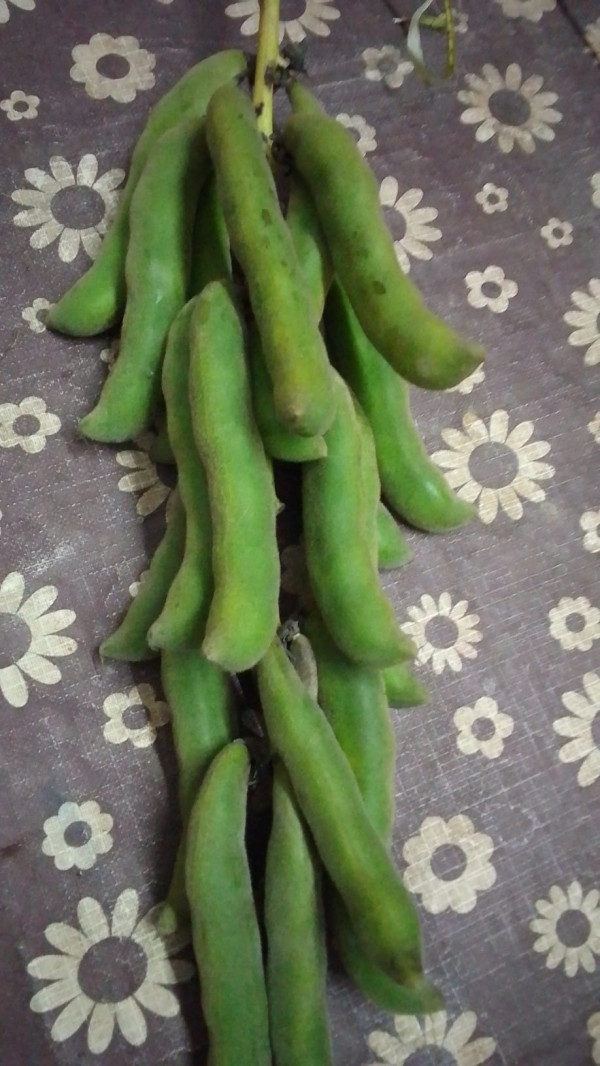
The green pods can be cooked like French beans.
-
Mature seeds can be prepared like rajma or chickpeas.
-
The purple flowers can be boiled and eaten.
-
In countries like Brazil, it is used as a coffee or tea substitute.
However, proper processing is necessary to remove the itching property before consumption.
Modern Cultivation and Processing in Assam
Bandor Kekua gained public attention during the Advantage Assam 2.0 summit held at Khanapara, Guwahati, where its medicinal benefits were showcased.
Entrepreneurs in Assam have started cultivating a non-itching variety developed through modern agricultural techniques. Unlike the wild variety, this improved version does not cause skin irritation.
Seeds are sourced from regions like Jorhat. The plant is cultivated commercially, dried, powdered and packaged for market supply across India, with plans for international export.
Currently, cultivation is expanding from six bighas to nearly thirty bighas of land. Processing and packaging activities are carried out locally, contributing to Assam's agricultural economy.
Agricultural Benefits of Bandor Kekua
Apart from medicinal value, Bandor Kekua offers environmental benefits:
-
Improves soil fertility
-
Prevents soil erosion during heavy rains
-
Keeps soil biologically active
This makes it beneficial not only for health but also for sustainable agriculture in Assam.
Why Bandor Kekua Matters in Assamese Home Remedies
Bandor Kekua represents a powerful example of how traditional knowledge combined with modern science can transform a feared plant into a valuable medicinal resource.
Once known only for causing itching, it is now recognized for its contribution to:
-
Neurological health
-
Fertility enhancement
-
Hormonal balance
-
Natural healing practices
-
Commercial herbal farming in Assam
Its journey from a dreaded wild plant to a commercially cultivated medicinal crop reflects the evolving landscape of Assamese traditional medicine.