Assamese Home Remedies and Traditional Medicine: Treating Jaundice (Pilia)
Jaundice, locally known as Pilia or Jondis in Assam, is a common liver-related condition that has been traditionally treated using herbal medicine and strict dietary practices for generations. In many rural areas of Assam, people still consult local healers known as Bez, who rely on indigenous plant knowledge passed down through oral traditions.
Traditional Assamese remedies for jaundice focus on improving liver function, purifying blood, and restoring digestion. These remedies are primarily plant-based and use locally available medicinal herbs in the form of juices, pastes, decoctions, and extracts. While modern medical science plays an important role in treating liver diseases, traditional knowledge continues to hold cultural and practical significance in Assamese society.
Understanding Jaundice in Traditional Assamese Belief
In Assamese traditional medicine, jaundice is associated with liver weakness, impurity in blood, and imbalance in body heat. The condition is recognized by yellowing of the eyes and skin, fatigue, loss of appetite, and dark urine. Healers often recommend early morning herbal juice consumption along with strict dietary control.
Most Popular Herbal Remedies for Jaundice in Assam
-
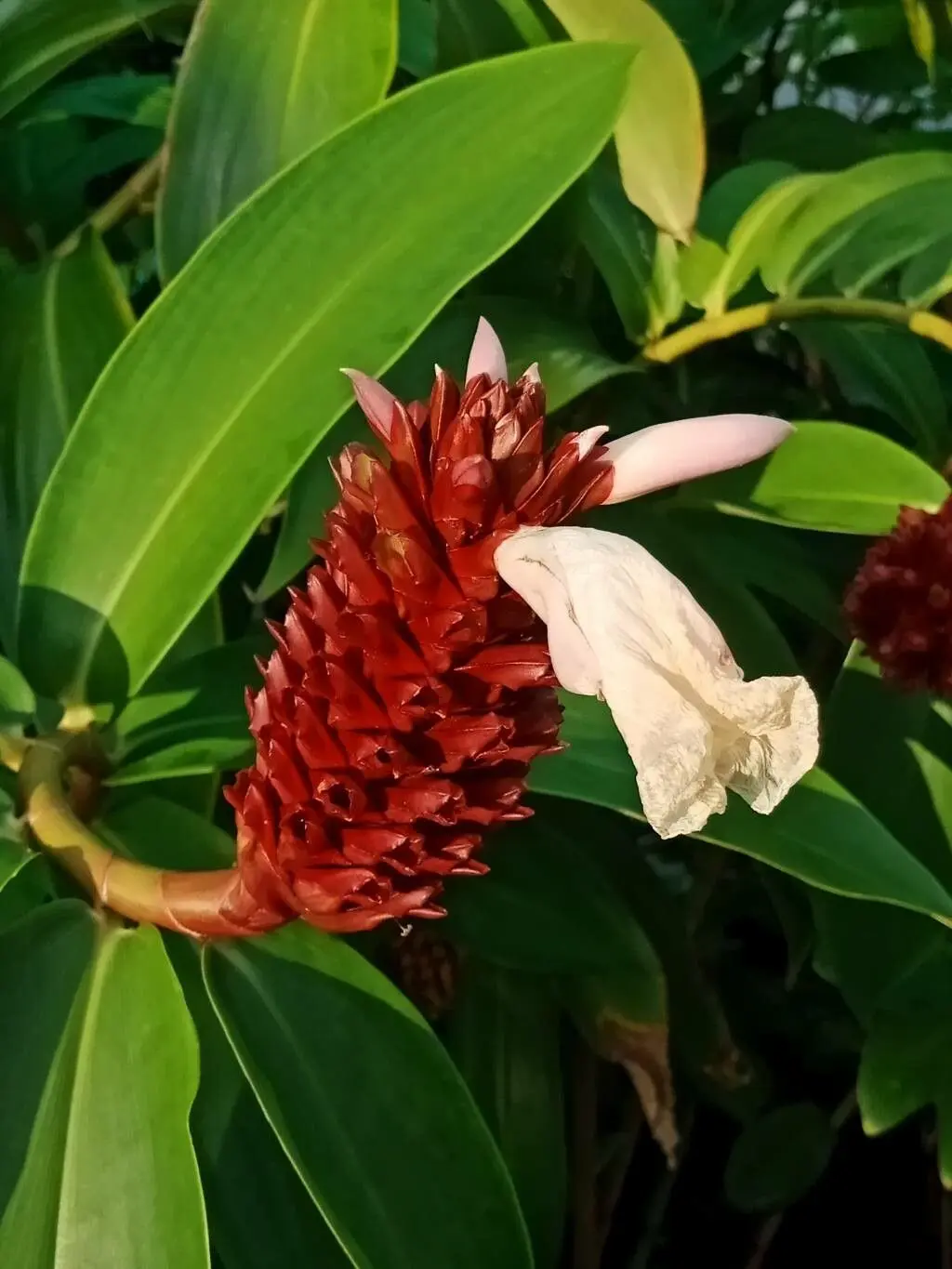
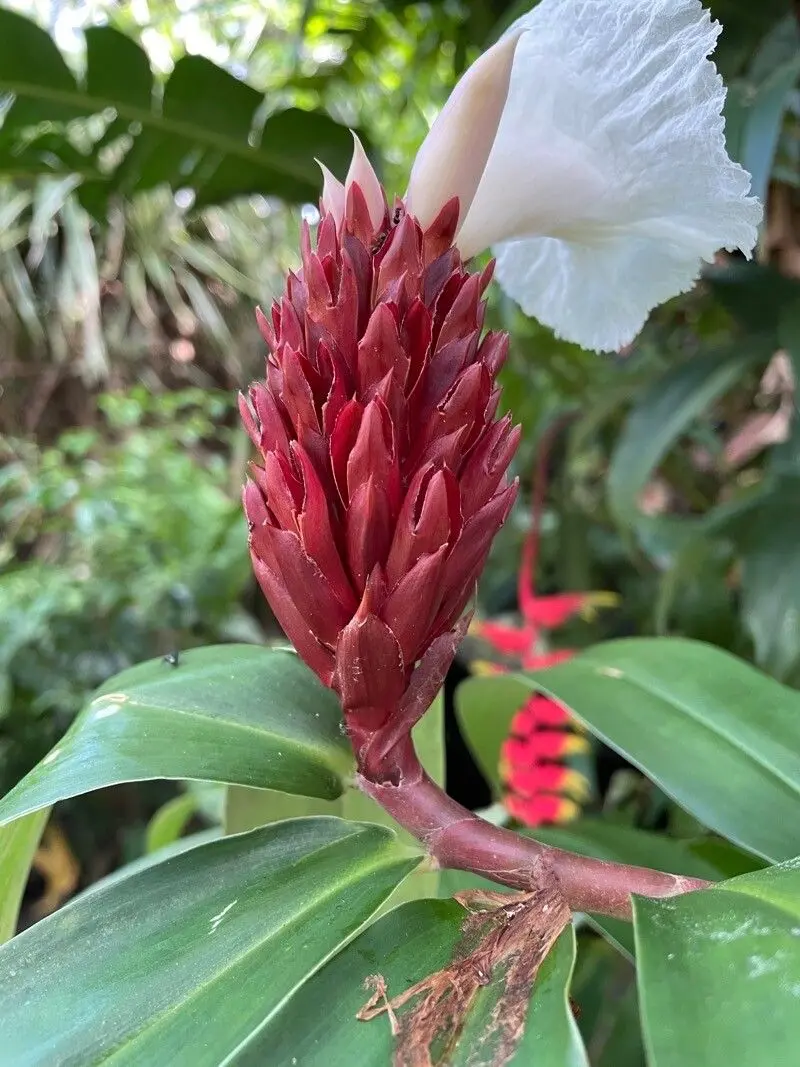
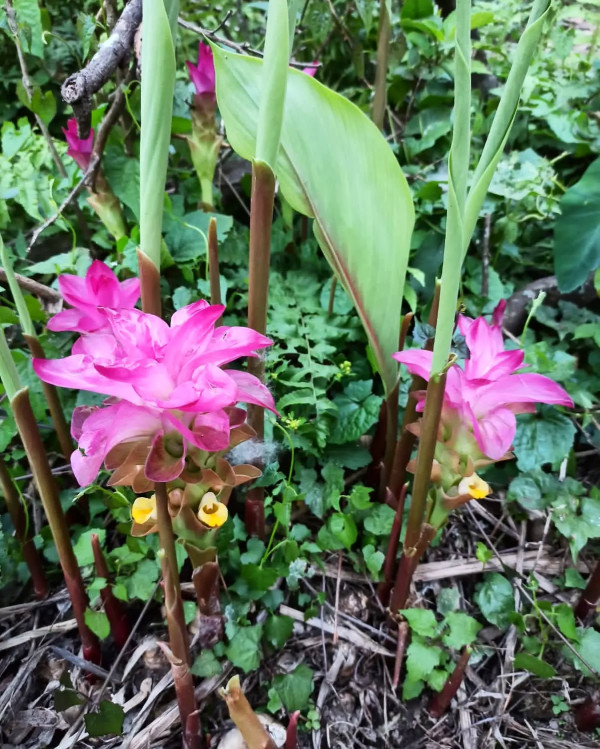
Jomlakhuti (Hellenia speciosa)
One of the most trusted herbs in Upper Assam districts like Lakhimpur and Dhemaji, Jomlakhuti is considered highly effective for liver protection. The stem or rhizome is crushed to extract juice. It is often consumed alone or mixed with sugarcane juice and natural palm sweeteners. This plant is widely regarded as a potent hepatoprotective herb.
-
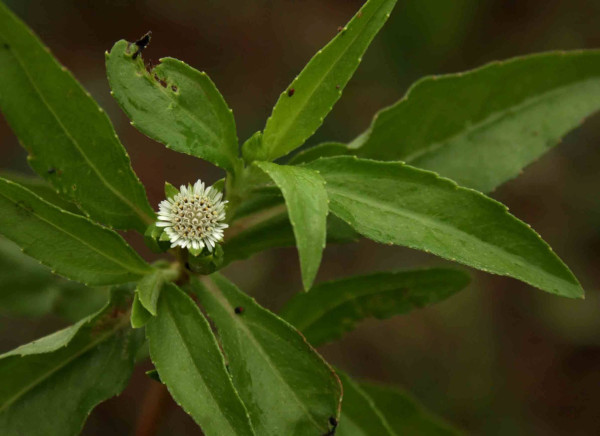
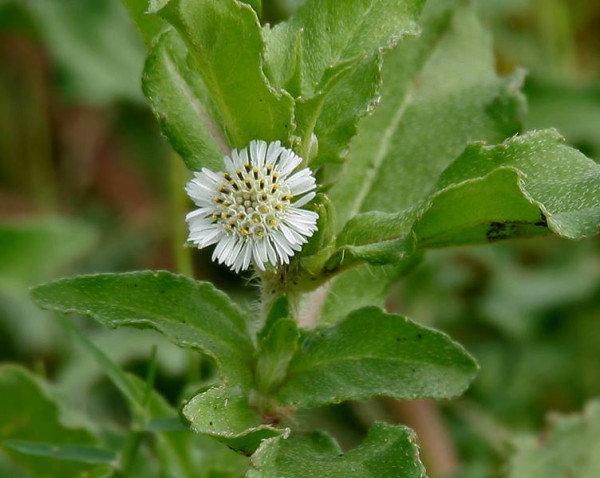
Kehraj (Eclipta prostrata)
Kehraj, also known as False Daisy, is commonly used across Assam for liver disorders. The whole plant or leaves are crushed to extract juice, which is consumed orally. It is believed to support liver regeneration and detoxification.
-
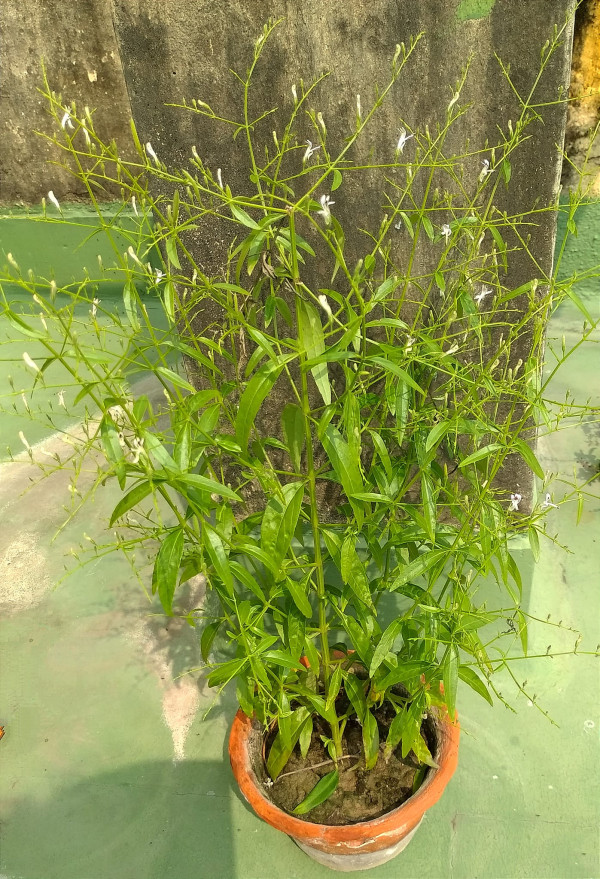
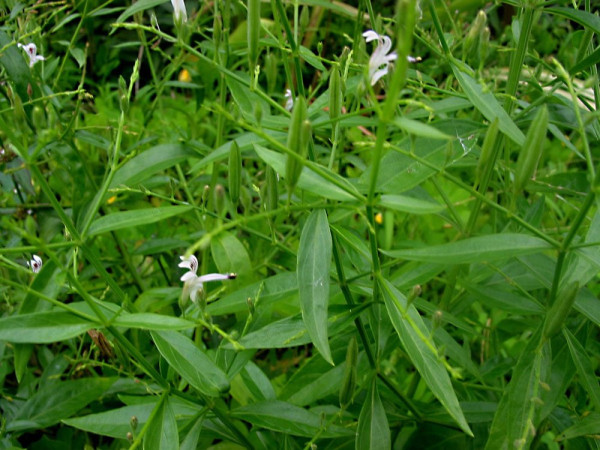
Kalmegh (Andrographis paniculata)
Popularly known as the King of Bitters, Kalmegh is widely used in Assamese households. The leaves and stems are boiled or crushed to make a decoction. It is usually taken on an empty stomach in small quantities due to its strong bitter taste.
-
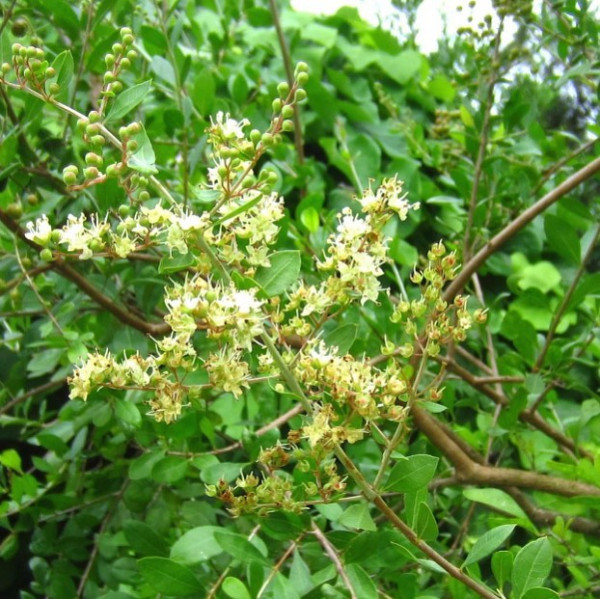
Jetuka (Lawsonia inermis)
Fresh leaves of Jetuka or henna are crushed to extract juice. Around two tablespoons are consumed two to three times daily for several days. This remedy is common in Lower Assam regions including Nalbari and Nagaon districts.
-
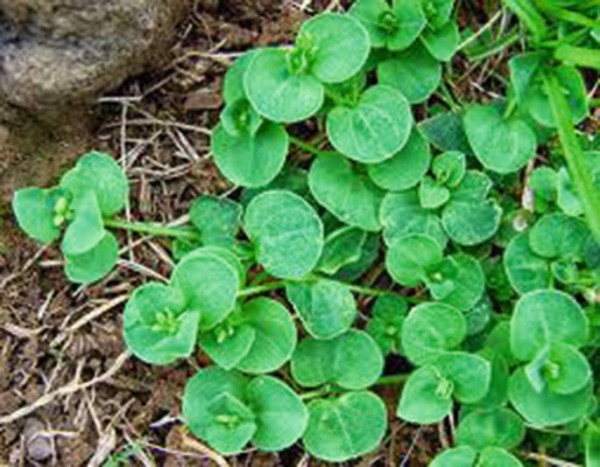
Lai Jabori (Drymaria cordata)
Particularly popular among tea tribe communities in Morigaon district, this herb is crushed and consumed as juice. It has strong cultural acceptance and high usage in traditional jaundice treatment.
-
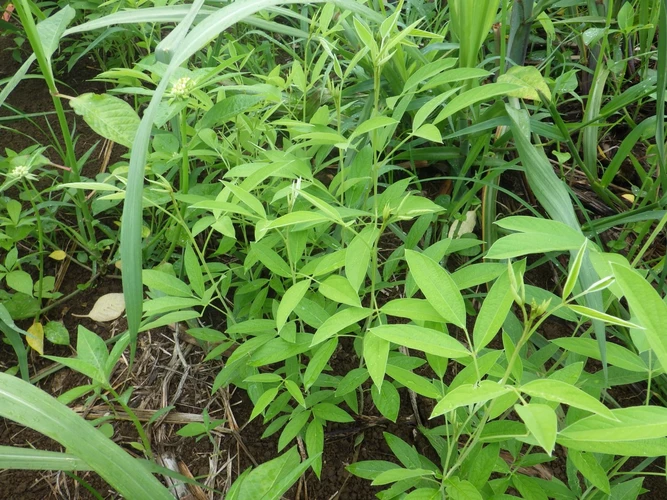
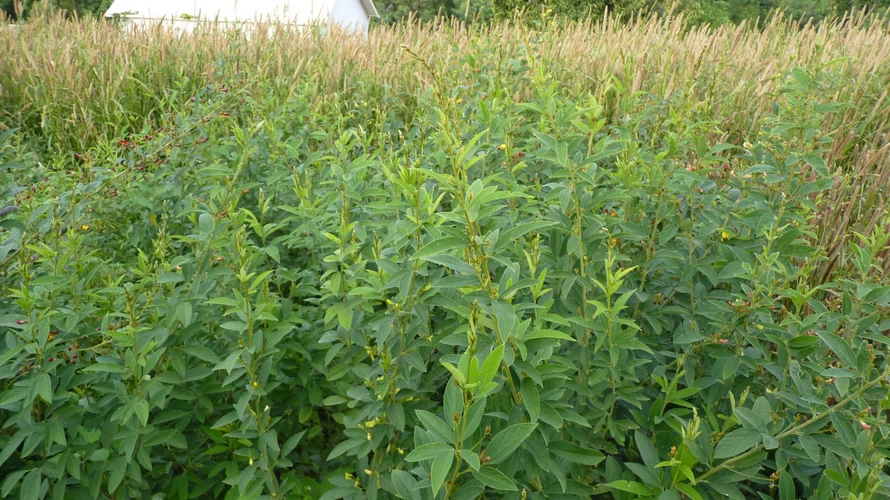
Rahar Mah (Cajanus cajan)
The leaves of pigeon pea are crushed to obtain juice, sometimes mixed with goat milk. It is consumed in the morning on an empty stomach.
-
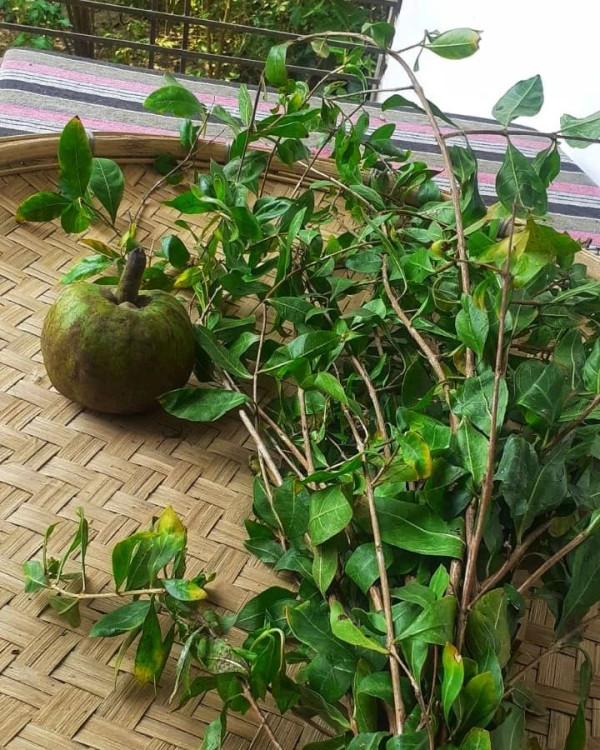
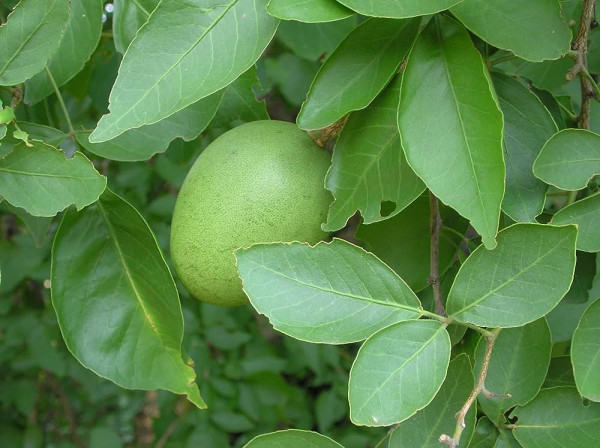
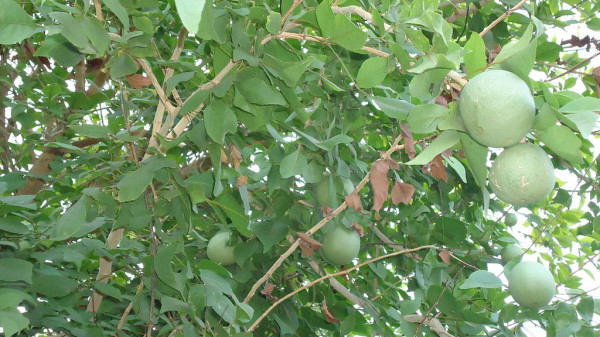
Bel (Aegle marmelos)
Bel leaves and fruit are valued for digestive support and liver care. The extract is consumed to improve metabolism and gut health.
-
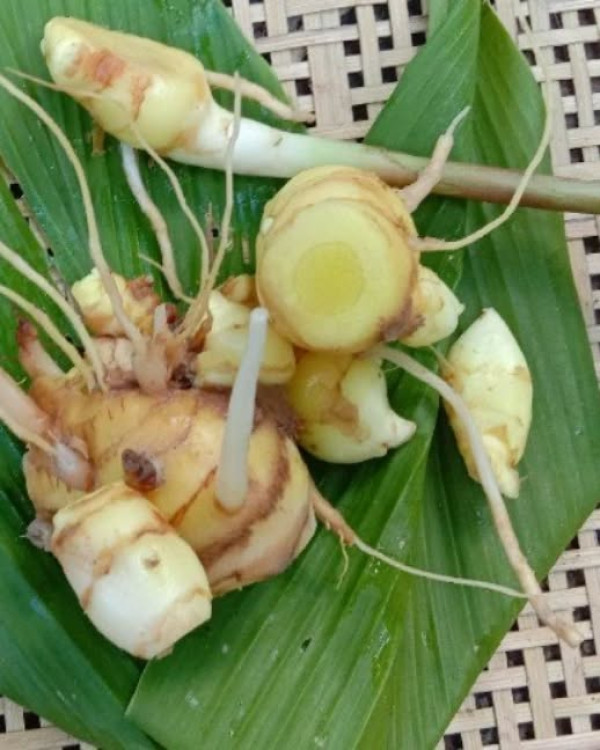
Keturi and Raw Turmeric (Curcuma aromatica and Kecha halodi)
The rhizome is ground into paste and either consumed with water or applied externally for bathing. Turmeric juice is also taken early in the morning.
-
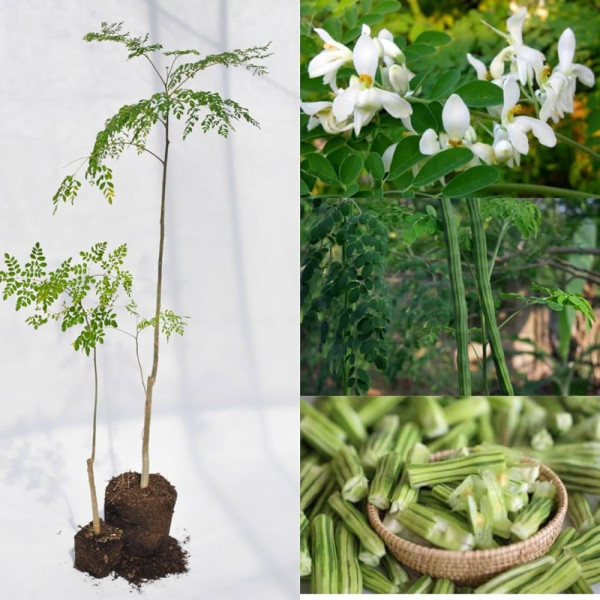
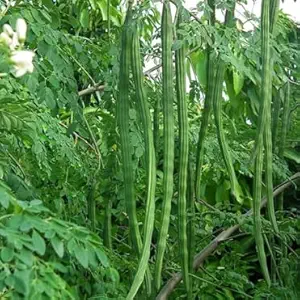
Sajina (Moringa oleifera)
Leaves, flowers, and pods of drumstick tree are included in the diet of jaundice patients to enhance nutrition and recovery.
Regional Variations in Treatment
Lower Assam
Communities such as Bodos, Garos, Rabhas, and Hajongs use a wide variety of wild plants. Aloe vera leaf paste, seed powders of certain herbs, and leaf juices mixed with milk are common remedies.
Majuli Island
In Majuli Satra culture, bark extract of white mulberry mixed with cow milk is taken on an empty stomach for three days. Certain banana varieties are also used in combination with rice seeds and chickpeas soaked in water.
Lakhimpur and Dhemaji
Traditional healers here show strong reliance on Jomlakhuti as the primary herb for jaundice.
Preparation Methods
The most common preparation method is fresh juice extraction, accounting for a major portion of remedies. Herbal paste and boiled decoction are also widely used. Most remedies are consumed early in the morning before food.
Dietary Restrictions and Lifestyle Rules
Diet plays a crucial role in Assamese jaundice treatment. Strict rules are followed:
Foods to Avoid:
-
Spices and chilies
-
Oily and fried food
-
Fish, meat, eggs
-
Excess salt
Foods Encouraged:
-
Soft boiled rice (Komal Saul)
-
Sugarcane juice
-
Coconut water
-
Boiled vegetables
-
Plenty of drinking water
-
Fresh fruits like oranges
Behavioral Beliefs:
Many people avoid yellow-colored food items during jaundice, believing it may worsen the condition. Exposure to mild morning sunlight is considered beneficial. Complete rest is strongly recommended as weakness is common.
Cultural Significance of Traditional Medicine in Assam
Traditional medicine in Assam reflects deep knowledge of local biodiversity. These remedies represent a blend of herbal science, community wisdom, and spiritual belief systems. Even today, in remote villages where modern healthcare access is limited, these natural remedies continue to provide support.
However, it is important to note that jaundice can indicate serious liver conditions such as hepatitis or bile duct obstruction. Therefore, medical diagnosis is always recommended alongside traditional practices.
Disclaimer*: These traditional remedies are based on ethnobotanical knowledge and cultural practices of Assam. They should not replace professional medical advice. Always consult a qualified doctor for proper diagnosis and treatment of jaundice.