Assamese Cuisine Guide: Traditional Dishes, Khar, Tenga, and Authentic Assamese Thali
Introduction: The Soul of Assam on a Plate
Assamese cuisine is more than food; it is a reflection of nature, culture, and simplicity. Often described as "less spices, more flavor," the cuisine relies on fresh local ingredients, subtle seasoning, and traditional cooking techniques. Rooted in agrarian and fishing traditions, Assamese food beautifully blends influences from the hills and plains.
From fermented bamboo shoots to tangy fish curries, every dish tells a story of heritage and harmony. If you truly want to understand Assam, start with its kitchen - the Axomiya Akholghor.
Rice: The Heart of Assamese Food
Rice is not just a staple; it is the foundation of Assamese identity. Wheat was historically not cultivated in Assam, which is why rice dominates daily meals.
Different varieties of rice are used:
A traditional Assamese thali always begins with rice and is accompanied by lentils, vegetables, fish, or meat.
What Makes Assamese Cuisine Unique?
1. Minimal Spices, Maximum Flavor
Unlike many Indian cuisines, Assamese food avoids heavy masalas. Ground ginger, garlic, green chilies, fresh coriander leaves, and seasonal herbs create flavor without overpowering the natural taste of ingredients.
Mustard oil plays a central role. Its strong, pungent aroma enhances the authenticity of dishes. Refined oils, butter, and ghee were not traditionally used.
2. Khar: The Alkaline Signature Dish
No discussion of Assamese cuisine is complete without Khar. It is both a dish and a cooking technique made by filtering water through the ashes of dried banana peels.
Often prepared with raw papaya (Omita Khar), it is served at the beginning of a meal and is believed to aid digestion. Its mildly alkaline flavor sets Assamese cuisine apart from other regional foods.
3. Tenga: The Tangy Delight
Tenga refers to sour dishes that cleanse the palate and are especially popular in summer.
Common souring agents include:
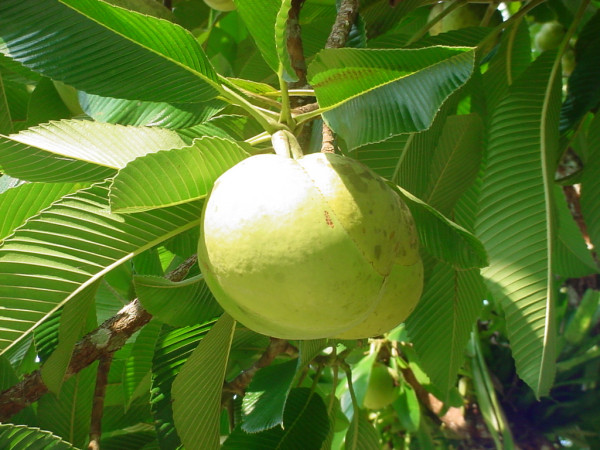
The most iconic sour dish is Masor Tenga, a light fish curry made with tomatoes and elephant apple. It is refreshing, nutritious, and deeply comforting.
4. Fermentation and Smoked Flavors
Fermented ingredients are central to Assamese cooking:
-
Khorisa (fermented bamboo shoots)
-
Hukoti (fermented fish)
-
Fermented mustard preparations
These add depth and a smoky tang to both vegetarian and non-vegetarian dishes.
5. Bhoot Jolokia: The Fiery Element
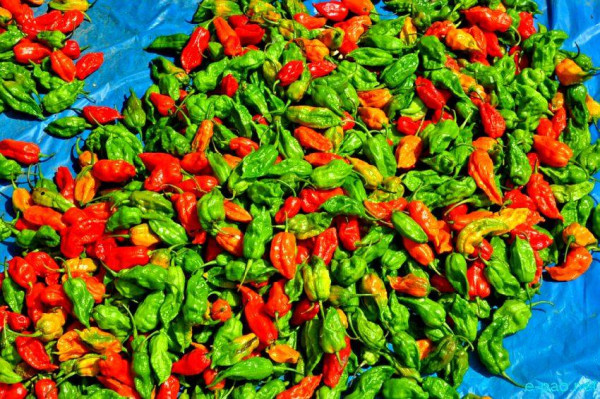
Bhoot Jolokia, also known as Ghost Pepper, is one of the world's hottest chilies. It is eaten raw, pickled, or used in chutneys. Beyond heat, it is valued for its health benefits and distinctive flavor.
The Essential Assamese Thali
An Assamese thali is simple, balanced, and nutritious. It usually includes:
-
Steamed rice
-
Dali (lentil soup)
-
Khar
-
Aloo Pitika (mashed potatoes with mustard oil and chilies)
-
Seasonal green vegetables (Xaak)
-
Fish or meat curry
-
Pickles and chutneys
Traditionally, it is served in bell metal utensils like Kahi and Bati, which are believed to enhance taste.
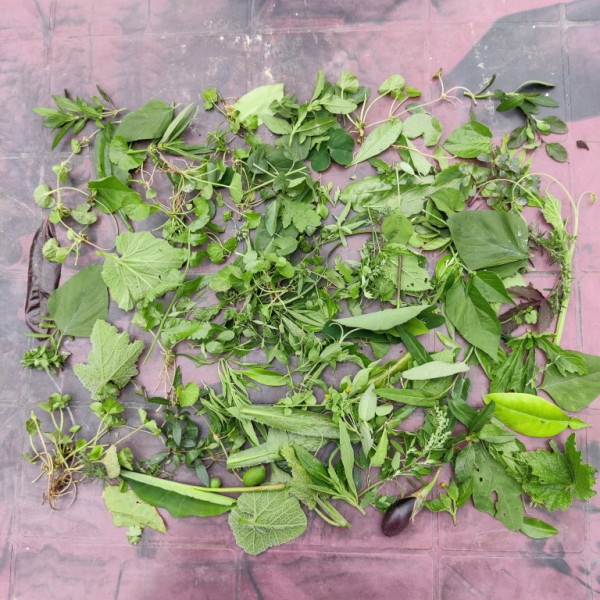
Green Leafy Vegetables and Wild Herbs
Assamese cuisine celebrates biodiversity. Seasonal greens are consumed throughout the year.
Popular varieties include:
-
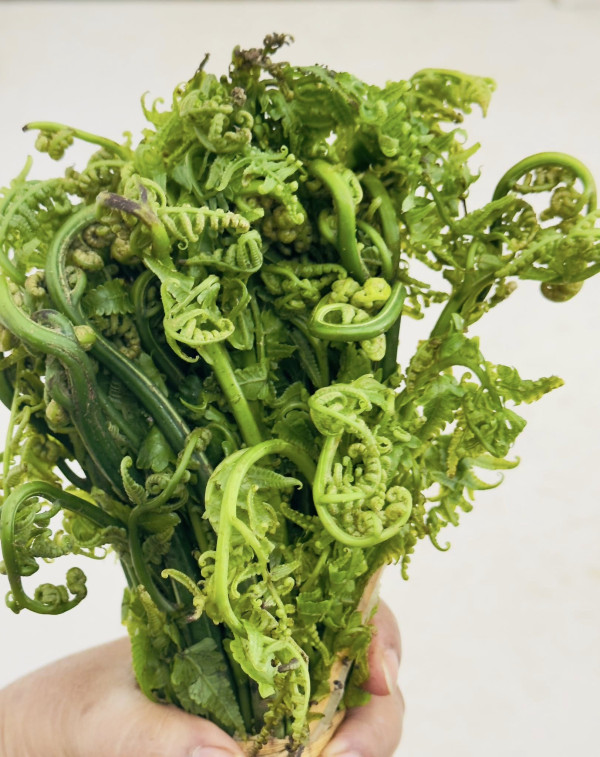
Dhekia Xaak (fiddlehead fern)
-
Lai Xaak (mustard greens)
-
Manimuni and other wild herbs
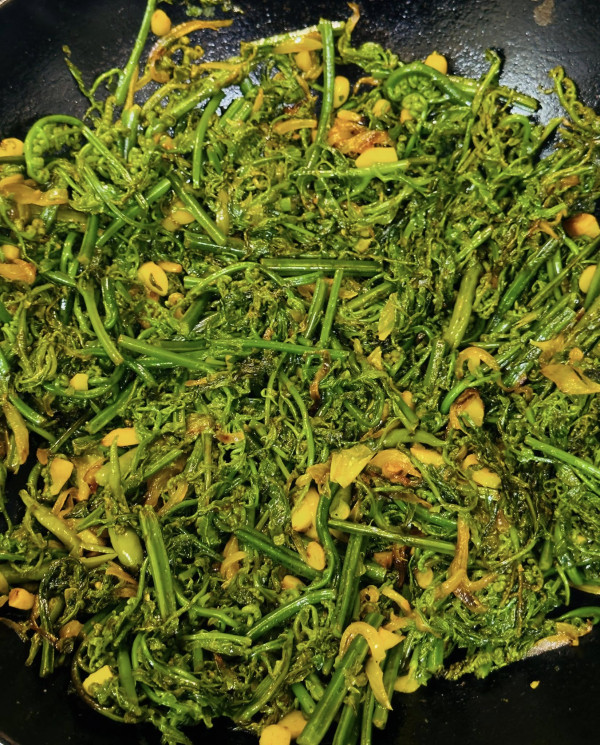
Dhekia Xaak is often stir-fried or cooked with fish, lentils, or eggs, making it a springtime favorite.
Iconic Assamese Dishes You Must Know
Aloo Pitika
A comforting mash of boiled potatoes mixed with mustard oil, onions, green chilies, and coriander.
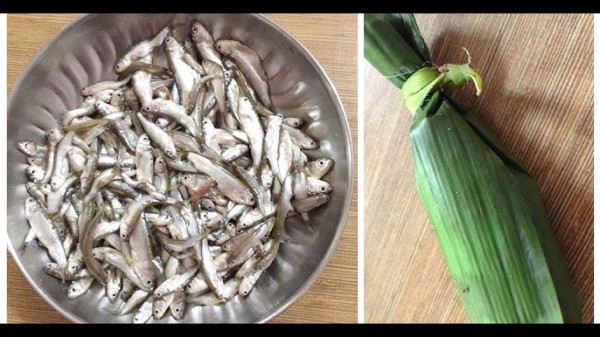
Patot Diya Maas
Fish steamed inside banana leaves with herbs and spices. The slow cooking preserves moisture and imparts a smoky aroma.
Lai Xaak Gahori
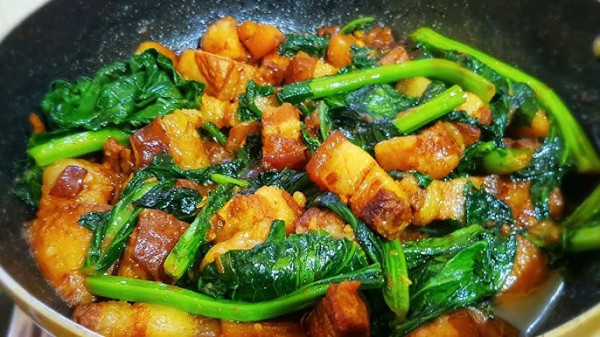
Pork cooked with mustard greens and Bhoot Jolokia. A winter favorite that balances richness with freshness.
Bahgajor Logot Kukura
Chicken cooked with bamboo shoots and lentils. The bamboo adds a tangy punch and distinctive aroma.
Paaro Mankho
Pigeon meat traditionally cooked with banana flower or potatoes. Popular during winter for its warming properties.
Poita Bhat
Fermented rice soaked overnight in water and served with mustard oil, onions, and chilies. The fermented water, called Torani, helps prevent dehydration in summer.
Pani Xamuk
Freshwater snails cooked traditionally, often with black gram and Khar. A delicacy among tribal communities.
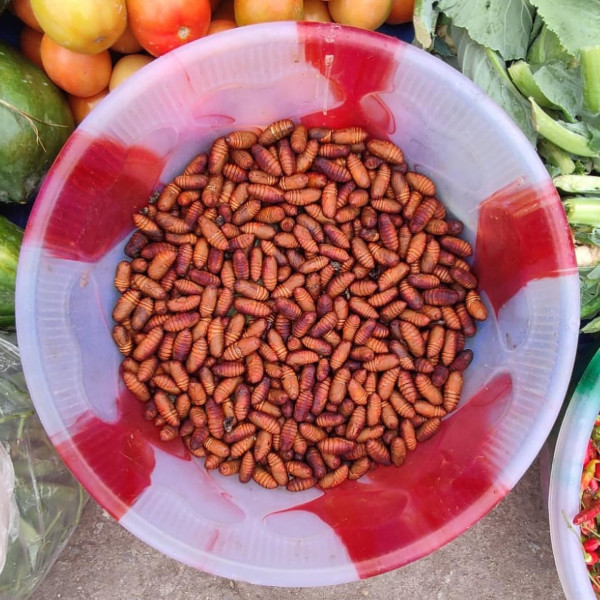
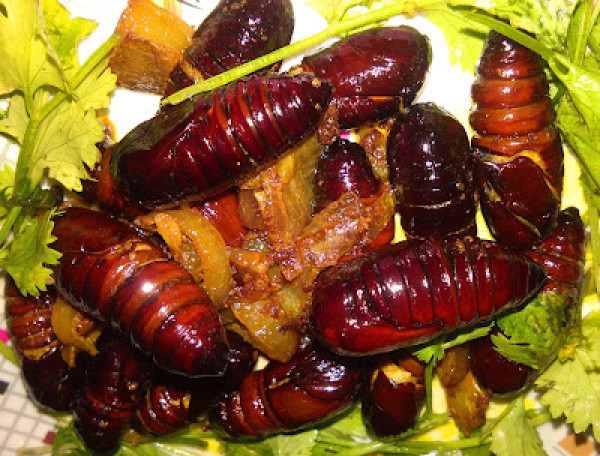
Silkworm (Polu)
A unique Upper Assam delicacy where boiled or stir-fried silkworm pupae are seasoned and served as a snack.
Pitha and Festival Foods
During Bihu festivals, homes fill with the aroma of freshly prepared Pitha.
Popular varieties include:
-
Til Pitha (sesame-filled rice cake)
-
Narikol Pitha (coconut-filled)
-
Sunga Pitha (rice cooked in bamboo)
These rice cakes symbolize joy, harvest, and gratitude.
Traditional Snacks and Beverages
Jolpan
A light breakfast of chira (flattened rice), doi (curd), jaggery, and banana.
Lal Saah
Strong red tea without milk, often flavored with lemon and jaggery.
Apong
Apong is a fermented rice beer prepared by tribal communities and served during festivals and rituals.
Cultural Significance of Assamese Food
Food in Assam is deeply tied to hospitality and tradition. Tamul-Paan (betel nut and leaf) marks the respectful closure of a meal.
Cooking techniques such as fermenting, sun-drying, bamboo-cooking, and smoking reflect sustainable living and zero-waste practices.
Assamese cuisine promotes:
-
Farm-to-table freshness
-
Seasonal eating
-
Biodiversity
-
Cultural preservation
Conclusion: A Journey of Simplicity and Flavor
Assamese cuisine is a gentle yet flavorful experience where freshness triumphs over excessive spices. From the alkaline comfort of Khar to the tangy freshness of Masor Tenga and the festive sweetness of Pitha, every dish carries the warmth of home.
An authentic Assamese thali is not just a meal - it is a soulful journey through Assam's culture, nature, and traditions.