Title: The Khar and Tenga Chronicles in Assam
Introduction: The Heart of Assamese Cuisine
In the lush Brahmaputra valley of Assam, food is not just nourishment but tradition, ritual, and identity. Assamese cuisine is subtle, rustic, and profoundly refreshing. Unlike many Indian regional cuisines known for heavy spices and oil, Assamese food celebrates fresh herbs, freshwater fish, seasonal vegetables, and a remarkable balance between alkalinity and sourness.
At the center of every traditional meal are two defining dishes: Kola Khar and Masor Tenga. Together, they represent the beginning and the end of a perfectly balanced Assamese meal.
The Khar Chronicles: The Alkaline Legacy
If you ask an Assamese person what defines their cuisine, many proudly describe themselves as Khar Khuwa Axomiya, meaning Khar-eating Assamese. Khar is more than a dish; it is a cultural symbol.
What is Kola Khar?
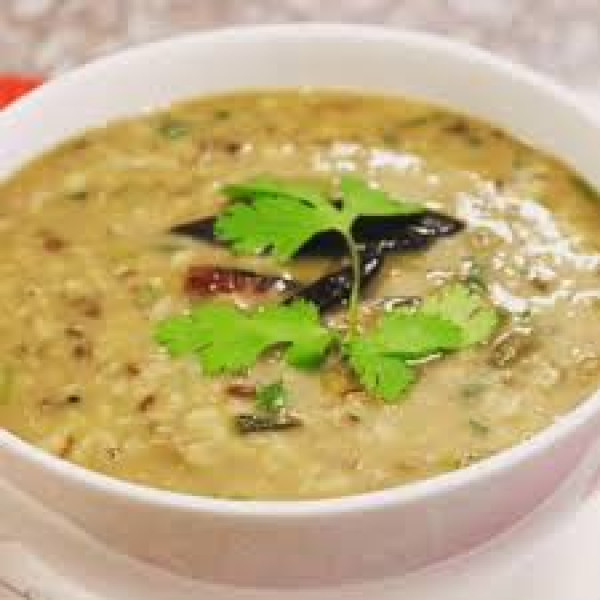
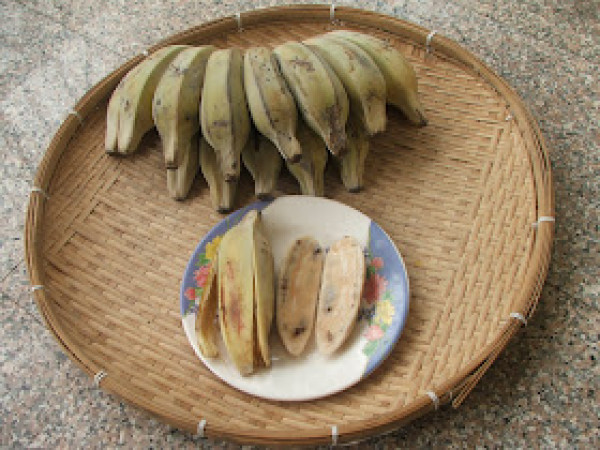
Kola Khar is an alkaline extract prepared from the ashes of sun-dried banana peels, specifically from the Bhim Kol variety. The banana peel is dried, burnt into ash, mixed with water, and filtered to produce a dark alkaline liquid known as kol khar. Traditionally, when sea salt was scarce in the region, this extract served as both a salt substitute and a digestive aid.
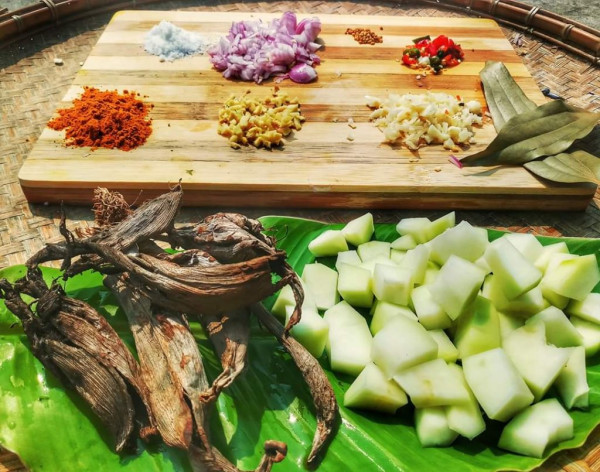
The modhuna, or root of the plantain tree, is also used to prepare khar. This indigenous technique reflects a deep-rooted zero-waste philosophy long before sustainability became a global trend.
Taste and Culinary Role
Khar is typically served as the first course of a meal with plain steamed rice. Its earthy, mildly bitter yet refreshing taste works as a palate cleanser. Many consider it a natural antacid that prepares the stomach for the rest of the meal.
Popular Khar Preparations
-
Omita Khar: Raw papaya cooked in alkaline extract.
-
Matimahor Khar: Black lentils simmered with khar.
-
Fish Head Khar: Fried fish head cooked in a light alkaline gravy.
A good Khar has a slightly dark greenish or blackish tint and is traditionally served in bell metal utensils known as Kanh, enhancing both presentation and taste.
The Tenga Chronicles: The Tangy Finisher
If Khar is the gentle opening, Tenga is the vibrant finale of an Assamese meal. Tenga literally means sour in Assamese. These dishes are light, broth-like curries prepared with minimal oil and spices, making them especially popular during summer.
What Makes a Tenga?
Tenga derives its sharp, refreshing taste from natural souring agents such as:
-
Ou Tenga (Elephant Apple)
-
Thekera (dried Garcinia)
-
Kaji Nemu (Assamese lemon)
-
Raw mango
-
Local tomatoes
The result is a pale, light-colored curry that is thin, soothing, and deeply satisfying.
Masor Tenga: The Pride of Assamese Fish Cuisine
Talking about Assamese food without mentioning fish is almost impossible. The mighty Brahmaputra River and its tributaries, along with ponds and paddy fields, provide abundant freshwater fish that define the region's diet.
Masor Tenga, meaning sour fish curry, is the most beloved preparation. The fish is gently cooked in a thin tangy broth using tomatoes, elephant apple, or lemon. Minimal spices are used, allowing the freshness of the fish to shine.
Freshwater fish varieties commonly used include small fish like donikona and puthi, medium varieties like goroi and magur, and larger fish such as rou, borali, and xitol. Fish is traditionally caught using bamboo traps, nets, or hooks, reflecting a strong connection between food and local ecology.
Other Popular Tenga Dishes
-
Boror Tenga: Red lentil fritters in a tangy curry.
-
Dhekia Paat Aru Aam Tenga: Fiddlehead fern cooked with raw mango.
The Ritual of a Balanced Assamese Meal
A traditional Assamese meal follows a thoughtful sequence:
Khar and Tenga are usually not eaten together. Their separation reflects an understanding of balance, digestion, and taste progression.
Rice: The Foundation of Assamese Identity
Rice, or bhaat, is the staple food of Assam. The Assamese sometimes refer to themselves as bhotuwa, derived from bhaat. Plain steamed rice is most common, but traditional techniques add unique flavors.
Sunga Saaul is rice cooked inside hollow bamboo sealed with banana leaves and roasted over charcoal fire, often using sticky rice. The aroma from bamboo and banana leaves creates a distinctive earthy flavor.
Another traditional form is poita bhaat, where leftover rice is soaked in water and lightly fermented. Depending on fermentation time, it develops a mild tang and is cherished for its cooling properties.
Fish Beyond the Curry
Fish is prepared in several traditional ways beyond Masor Tenga. One popular method is bhapot diya maas, where fish is marinated with fresh mustard paste, wrapped in banana leaves, and steamed. Variations use curry leaves or mint for additional flavor.
Even fish intestines, known as petu, are considered a delicacy. They are fried with onions and curry leaves, mixed with rice or powdered rice, or wrapped in banana leaves and roasted.
Spices and Heat
Assamese cuisine is characterized by minimal spice use. However, certain chillies and peppers are iconic, including bhut jolokia, also known as Raja Mircha, one of the world's hottest chillies. Black pepper or jaluk is commonly used in fish, duck, and geese preparations.
Why Khar and Tenga Matter Today
In an era dominated by fast food, Kola Khar and Masor Tenga represent mindful eating and sustainable cooking. The use of banana peels for alkaline extract highlights zero-waste living. Fresh, local ingredients ensure meals are light, seasonal, and nourishing.
Khar acts as a natural digestive cleanser, while Tenga refreshes the palate and aids digestion. Together, they form a culinary philosophy rooted in balance, simplicity, and respect for nature.
Authentic Assamese cuisine is not loud or overly spiced. It is refined in its simplicity, deeply cultural, and profoundly satisfying.