Assam Wildlife Guide: Complete Guide to National Parks and Wildlife Sanctuaries for First-Time Visitors
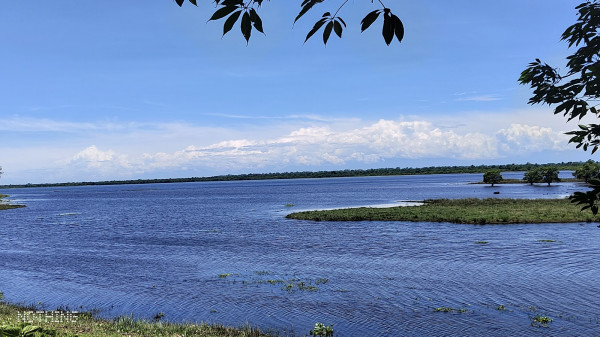
Assam, located in Northeast India, is one of the richest biodiversity regions in the country. Shaped by the mighty Brahmaputra River and the foothills of the Eastern Himalayas, the state is home to rare species, dense forests, wetlands, river islands, and vast floodplain grasslands.
From the world-famous one-horned rhinoceros to golden langurs and white-winged wood ducks, Assam offers one of the most rewarding wildlife experiences in India.
If you are planning your first wildlife trip to Assam, this detailed guide covers everything you need to know.
Why Assam is a Wildlife Paradise
Assam's unique geography creates multiple ecosystems:
-
Riverine grasslands
-
Tropical evergreen forests
-
Semi-evergreen forests
-
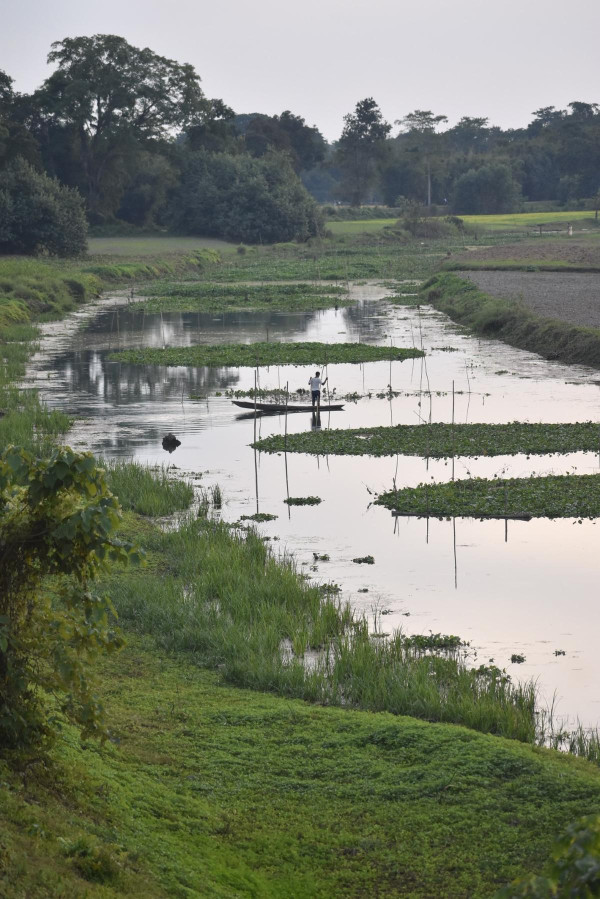
Wetlands and swamps
-
Himalayan foothill forests
Because of this diversity, the state hosts:
-
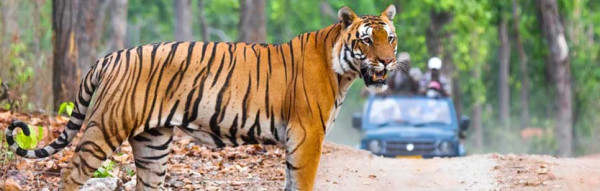
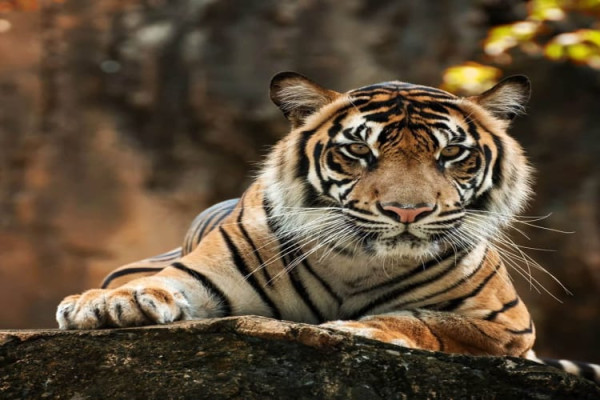
Royal Bengal Tigers
-
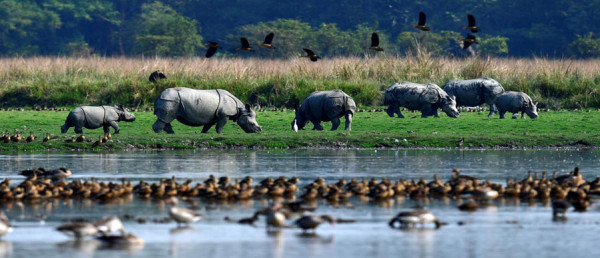
One-horned rhinoceros
-
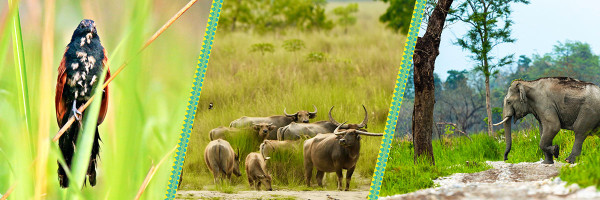
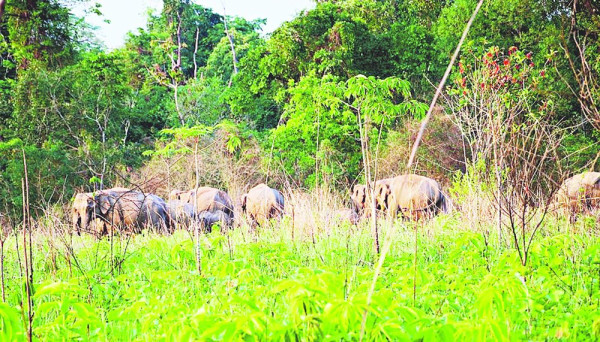
Asian elephants
-
Wild water buffalo
-
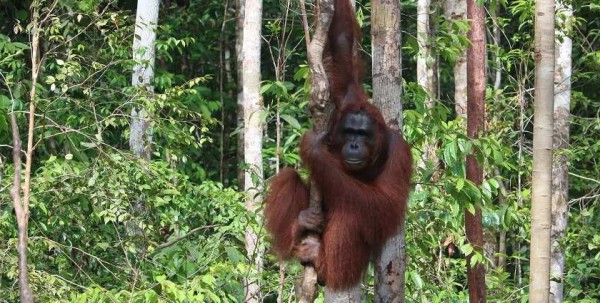
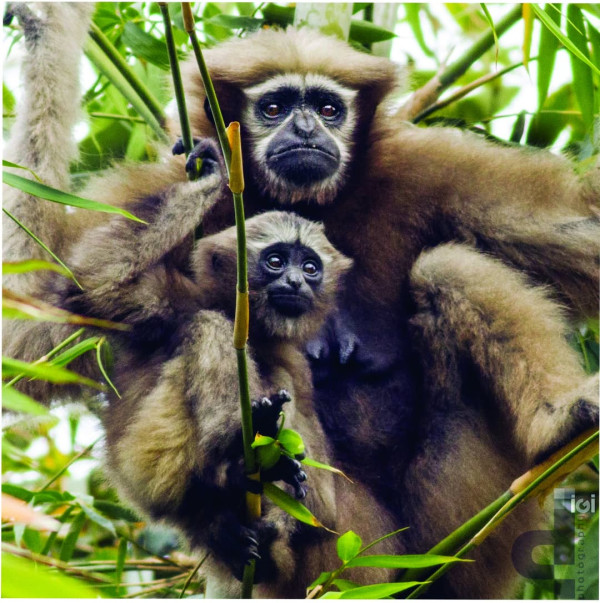
Hoolock gibbons
-
Clouded leopards
-
Gangetic dolphins
-
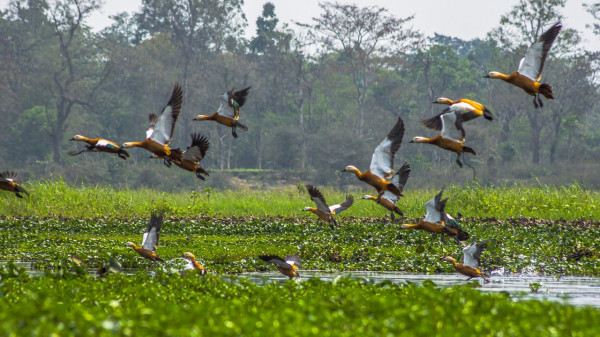
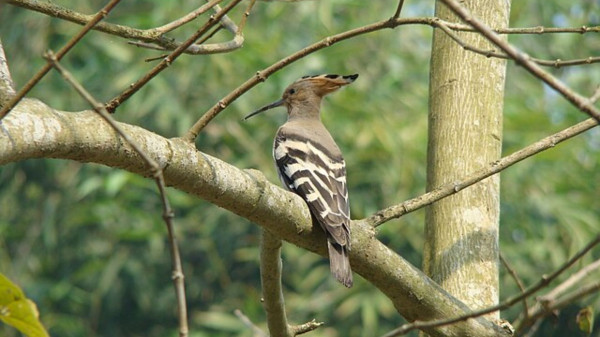
Over 450 bird species
Several species such as the pygmy hog and golden langur are found only in this region.
National Parks of Assam
1. Kaziranga National Park
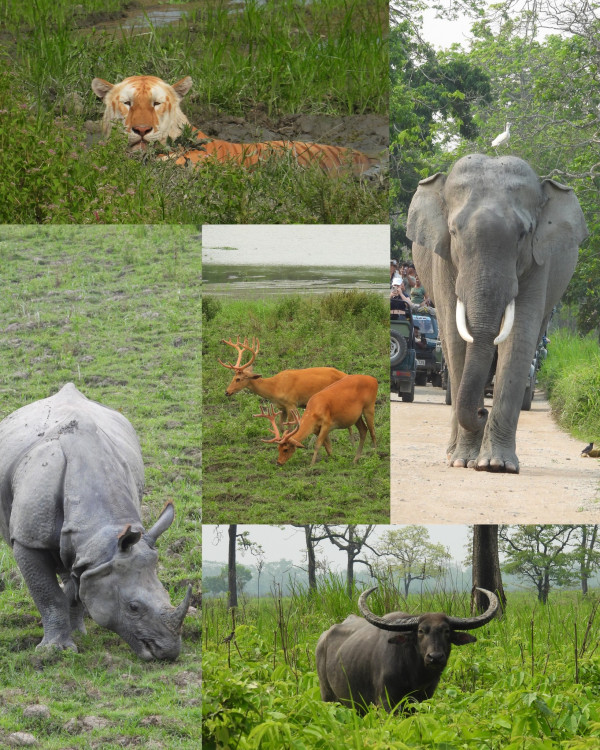
A UNESCO World Heritage Site, Kaziranga is globally famous for the Great Indian One-Horned Rhinoceros. It has one of the highest tiger densities in the world and preserves the largest undivided stretch of Brahmaputra floodplain grasslands.
Key Highlights:
-
Over 2,400 one-horned rhinos
-
Royal Bengal Tiger
-
Asian Elephant
-
Wild Water Buffalo
-
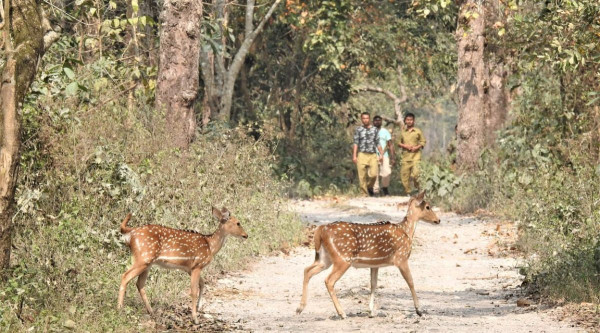
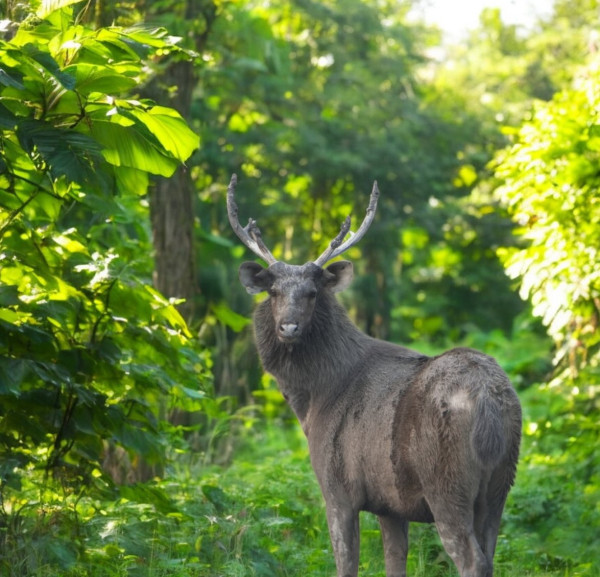
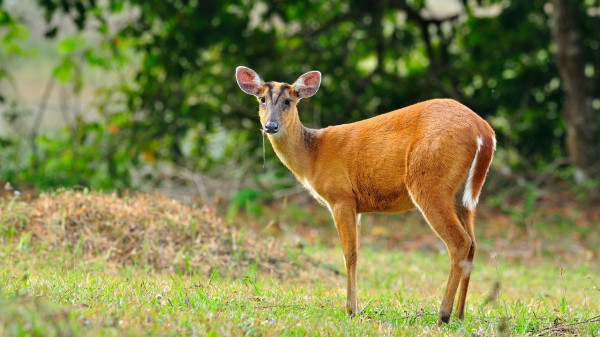
Swamp Deer
-
Bengal Florican
Safaris:
Kaziranga is ideal for first-time wildlife visitors.
2. Manas National Park
Also a UNESCO World Heritage Site, Manas lies in the Himalayan foothills and is a designated Tiger Reserve and Important Bird Area.
Established in 1928 and declared a National Park in 1990, Manas spans about 950 sq km.
Wildlife Highlights:
-
Royal Bengal Tiger
-
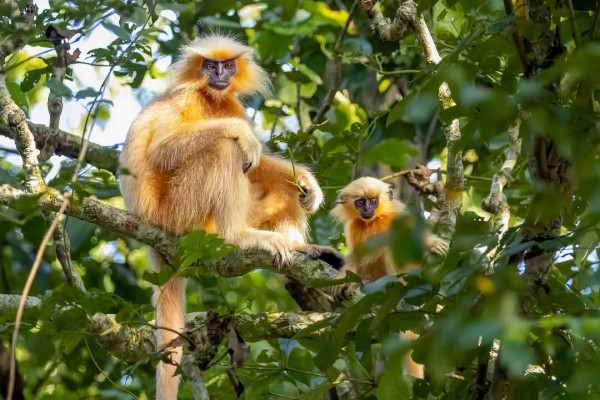
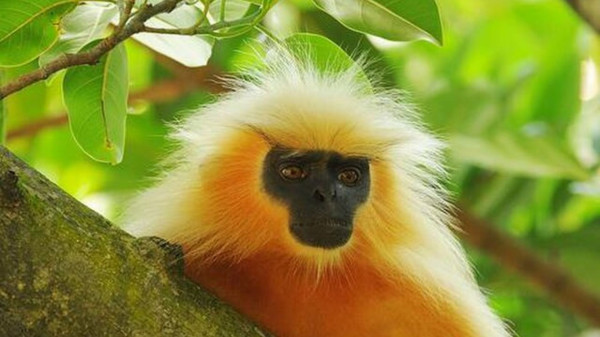
Golden Langur
-
Pygmy Hog
-
Clouded Leopard
-
Indian Elephant
-
White-winged Wood Duck
-
Over 500 bird species
Manas offers grasslands, river ecosystems, and forest landscapes in one park.
3. Nameri National Park
Located near the Arunachal border, Nameri is part of the Eastern Himalayan biodiversity zone and serves as the core area of the Nameri Tiger Reserve.
Highlights:
-
White-winged Wood Duck
-
Clouded Leopard
-
Hornbills
-
Guided jungle walks
-
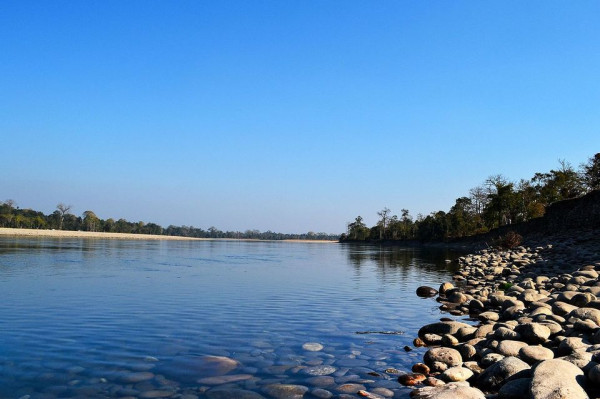
River rafting on Jia Bhoroli River
Nameri is ideal for birdwatchers and those who prefer walking safaris.
4. Dibru-Saikhowa National Park
Located in Dibrugarh and Tinsukia districts, this park is a biosphere reserve and one of the 19 biodiversity hotspots in the world.
Landscape:
-
Salix swamp forest
-
Riverine islands
-
Grasslands
-
Wetlands
Wildlife:
-
Bright-colored feral horses
-
Royal Bengal Tiger
-
Hoolock Gibbon
-
White-winged Wood Duck
-
Gangetic Dolphin
-
Over 350 bird species
Boat safaris and river cruises are major attractions.
Best Time: November to March.
5. Orang National Park and Tiger Reserve
Often called Mini Kaziranga, Orang lies on the northern bank of the Brahmaputra.
Highlights:
-
One-horned rhinoceros
-
Tiger
-
Asiatic Elephant
-
Pygmy Hog
-
Gangetic Dolphin
-
Seven turtle species
Declared a Tiger Reserve in 2016.
6. Dehing Patkai National Park
Known as the Amazon of the East, Dehing Patkai is the only remaining patch of lowland rainforest in Assam.
Wildlife:
-
Hoolock Gibbon
-
Asian Elephant
-
Slow Loris
-
301 butterfly species
-
293 bird species
Declared a National Park in 2021.
7. Raimona National Park
One of Assam's newest parks, declared in 2021, located in the Eastern Himalayan foothills.
Wildlife:
-
Asian Elephant
-
Gee's Golden Langur
-
Clouded Leopard
-
Gaur
-
Rare butterflies
It forms a critical wildlife corridor across Bhutan and northern West Bengal.
Major Wildlife Sanctuaries in Assam
Apart from national parks, Assam has important wildlife sanctuaries:
-
Pobitora Wildlife Sanctuary - Highest density of rhinos
-
Hollongapar Gibbon Wildlife Sanctuary - Only sanctuary dedicated to hoolock gibbons
-
Bornadi Wildlife Sanctuary - Habitat of pygmy hog and hispid hare
-
Nambor Wildlife Sanctuary - Known for hot springs and tigers
-
Garampani Wildlife Sanctuary - One of the oldest sanctuaries
-
Laokhowa Wildlife Sanctuary - Important floodplain ecosystem
-
Sonai Rupai Wildlife Sanctuary - Scenic Bhutan border sanctuary
-
Chakrashila Wildlife Sanctuary - Golden langur habitat
-
Bura Chapori Wildlife Sanctuary - Grassland wildlife
-
East Karbi Anglong Wildlife Sanctuary - Hilly biodiversity zone
-
Marat Longri Wildlife Sanctuary - Part of Kaziranga-Karbi Anglong Elephant Reserve
-
Amchang Wildlife Sanctuary - Near Guwahati
-
Bordoibam Bilmukh Bird Sanctuary - Migratory bird haven
-
Deepor Beel Wildlife Sanctuary - Ramsar wetland site
Each sanctuary plays a crucial role in preserving Assam's biodiversity.
Best Time to Visit Assam Wildlife
October to May is the ideal season.
Why?
-
Pleasant weather
-
Better wildlife sightings
-
Accessible safari routes
Most parks remain closed during monsoon from May to October due to flooding.
How to Reach Assam Wildlife Destinations
Travel Essentials and Entry Permits
-
Entry tickets available at park gates
-
Separate fees for Indian and foreign nationals
-
Some parks allow online safari booking
-
Certain reserves may require special permission
-
Neutral-colored clothing recommended
-
Advance accommodation booking is advised during peak season
Why Assam Wildlife Matters
Assam is not just a tourist destination; it is a conservation success story. From protecting rhinos from extinction to preserving endangered primates like the golden langur and hoolock gibbon, the state plays a critical role in India's ecological balance.
Visiting responsibly helps support conservation and local communities.
Conclusion
Assam's wildlife offers more than sightings. It offers immersion into floodplain forests, Himalayan foothills, river islands, and vibrant ecosystems.
Whether you want to witness rhinos in Kaziranga, track golden langurs in Manas, raft through Nameri, or explore river islands in Dibru-Saikhowa, Assam promises an unforgettable wildlife journey.
For first-time visitors, it is one of India's most rewarding nature destinations.