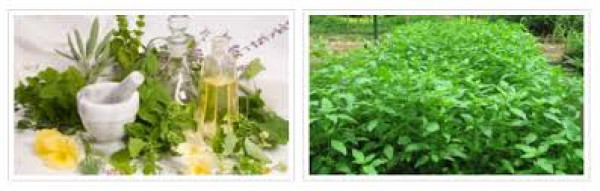
Assam, located in the biodiversity-rich region of Northeast India, has long been known for its deep-rooted traditions in herbal medicine. Among its many indigenous communities, the Sonowal Kachari tribe stands out for preserving a vast and practical knowledge of plant-based healing. A recent scientific study has brought this ancient wisdom into focus by identifying 39 medicinal plants used by the community to treat a wide variety of health conditions.
The research was conducted in the Lakhimpur district of Assam by Pramod Chandra Dihingia of Nagaland University and Deepika Borah from the Indian Council of Medical Research (ICMR), Dibrugarh. Published in the Journal of Ayurveda and Integrative Medicine, the study documented traditional practices through detailed interviews with 180 tribal elders aged 50 years and above, between April 2022 and November 2023. These elders have inherited and practiced this knowledge over generations, making them key custodians of indigenous healthcare systems.
The findings reveal that these herbal remedies are used to treat common as well as chronic conditions such as fever, cough, dysentery, stomach disorders, skin diseases, arthritis, and even kidney stones. Plants form the backbone of primary healthcare for many rural communities, with nearly 80% of the population relying on traditional medicine for their basic health needs.
Several important medicinal plants were highlighted in the study. Houttuynia cordata, locally known as Masundari, is valued for its antimicrobial properties and is widely used for digestive and respiratory issues. Centella asiatica or Bor Manimuni is known for improving memory, purifying blood, and treating skin problems. Leucas aspera, called Durunbon, is commonly used for cold, sinus, and digestive issues. Paederia foetida, or Bhedai Lota, is a traditional remedy for arthritis and gastrointestinal disorders. Phyllanthus emblica, widely known as Amlokhi or Indian gooseberry, is used to boost immunity and treat jaundice and eye infections.
The study also documented other widely known medicinal plants such as Acorus calamus for fever and cough, Aegle marmelos (bael) for dysentery, Aloe vera for skin conditions, Azadirachta indica (neem) for infections, and Bryophyllum pinnatum for kidney stones. Additionally, plants like Bacopa monnieri (brahmi), Andrographis paniculata (kalmegh), Cassia tora, and Cinnamomum tamala are used for liver health, digestion, and skin care.
Interestingly, leaves were found to be the most commonly used plant part, followed by roots, fruits, and flowers. Most remedies are derived from herbs, though trees, shrubs, and climbers are also used.
Experts believe that such traditional knowledge has immense potential for modern drug discovery. Many pharmaceutical medicines today are derived from plants, and studying these 39 species could lead to the development of new and sustainable treatments. However, specialists emphasize that these remedies must be scientifically validated to ensure their safety and effectiveness before large-scale use.
Despite its importance, this valuable knowledge is under threat due to deforestation, modernization, and declining interest among younger generations. Preserving and documenting these practices is essential not only for cultural heritage but also for future medical advancements.
The herbal traditions of Assam reflect a deep connection between humans and nature. Protecting this knowledge ensures that centuries-old healing practices continue to benefit both present and future generations.
Disclaimer: This content is for informational purposes only. Always consult a qualified healthcare professional before using any herbal remedies.