Assam Travel Guide: Top Places, Culture and Essential Travel Tips
Assam, often called the gateway to Northeast India, is a land of red rivers and blue hills shaped by the mighty Brahmaputra River. Known worldwide for its vast tea plantations, rich biodiversity, ancient temples, and vibrant tribal heritage, Assam offers a rare blend of nature, spirituality, history, and adventure.
From UNESCO World Heritage wildlife parks to river islands and silk weaving villages, this state invites travelers to experience something beyond the ordinary.
A Land Shaped by History and the Brahmaputra
The great plains of Assam are deeply rooted in history and mythology. Ancient scriptures like the Mahabharata and Kalika Purana refer to this region as Kamrupa. In mythology, it was believed to be ruled by Narakasura, whose capital was Pragjyotishpur, the eastern city of lights.
In the 7th century, Chinese traveler Huan Tsang visited during the reign of King Bhaskarvarman and described the kingdom as prosperous and powerful. The medieval period saw the arrival of the Tai Ahoms from Myanmar in the 13th century, who ruled the Brahmaputra valley for nearly six centuries and documented their administration in the Buranji chronicles.
The British later colonized the region and shaped modern Assam. The name Assam is derived from the Ahom word Axom, meaning land like no other.
Today, Dispur is the capital of Assam, while Guwahati is the largest and most important commercial city connecting mainland India to the Northeast.
Top Places to Visit in Assam
Kaziranga National Park
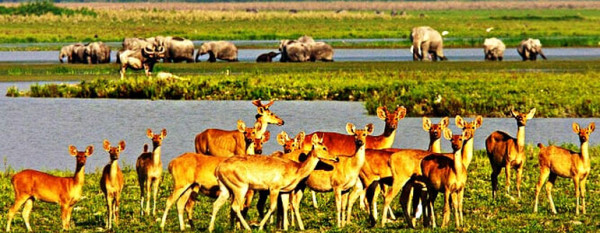
A UNESCO World Heritage Site, Kaziranga National Park is globally famous for the endangered one-horned rhinoceros. Spread across the floodplains of the Brahmaputra, it is also home to tigers, elephants, wild buffalo, swamp deer, and diverse bird species. Jeep and elephant safaris offer unforgettable wildlife experiences.
Majuli Island
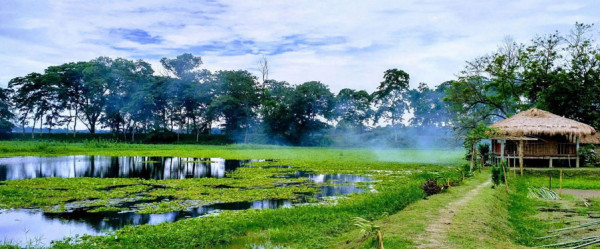
Majuli is the world's largest inhabited river island and the spiritual heart of Neo-Vaishnavite culture. Known for its Satras or monasteries, mask-making traditions, and serene sunsets, Majuli offers a peaceful escape into Assam's spiritual and rural life.
Guwahati
Guwahati is known as the city of temples and serves as the main gateway to the Northeast. The sacred Kamakhya Temple, located on Nilachal Hill, is one of the most revered Shaktipeeths in India. Visitors can also explore Umananda Island, enjoy Brahmaputra river cruises, and visit museums and local markets.
Manas National Park
Another UNESCO Natural World Heritage Site, Manas National Park is a tiger reserve known for rare species like the golden langur. It offers pristine forests and rich biodiversity.
Sivasagar
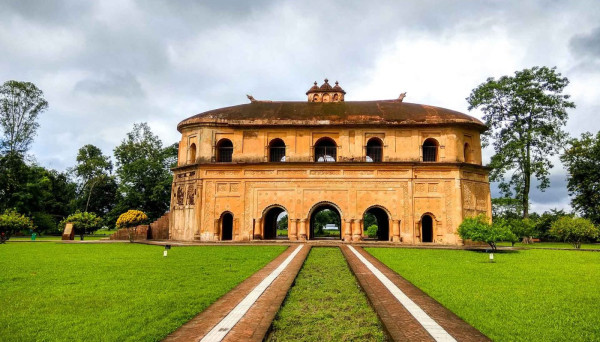
The former capital of the Ahom Kingdom, Sivasagar is known for historic monuments such as Shivadol, Vishnudol, and Devidol temples, along with royal tanks and palaces reflecting Assam's regal past.
Haflong and Tezpur
Haflong, the only hill station in Assam, offers scenic lakes and tribal culture. Tezpur is known for mythological connections, beautiful parks, and tea gardens.
Tea Gardens of Dibrugarh and Jorhat
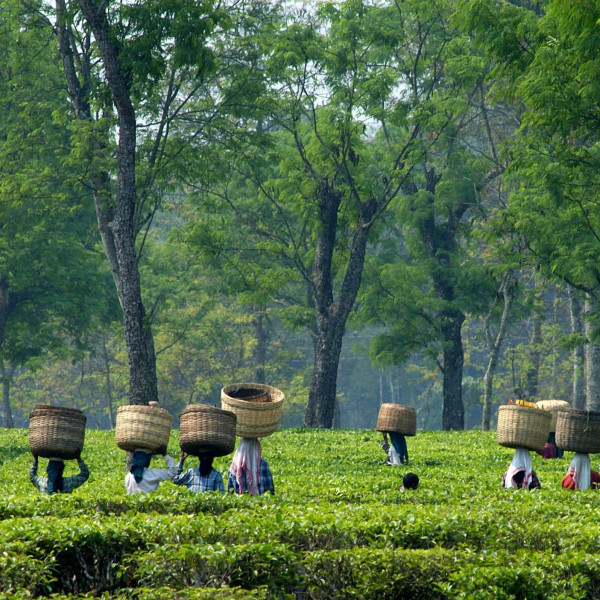
Dibrugarh is called the Tea City of India. The lush tea estates provide a scenic landscape and insight into Assam's world-famous tea production.
Sualkuchi
Often called the Manchester of Assam, Sualkuchi is renowned for Muga silk weaving and traditional handloom products.
Culture and Traditions of Assam
Assam is home to diverse ethnic communities including Bodos, Mishings, Karbis, Rabhas, Tiwas, and many Tai groups. Each community has its own language, customs, festivals, and textile traditions.
Festivals
Bihu is the most important festival of Assam and marks the Assamese New Year. It is celebrated with dance, music, feasts, and community gatherings. Classical Sattriya dance and Deodhani dance are also significant cultural expressions.
Handloom and Crafts
Assamese weaving is highly respected. Muga silk Mekhela Sador, Gamosa, Jaapi, bell metal crafts like Xorai, bamboo and cane handicrafts, and Majuli mask-making traditions are important cultural symbols.
Wildlife and Natural Environment
The landscape of Assam includes the Brahmaputra plains, Barak Valley, and surrounding hills. The state has dense tropical forests and abundant rainfall.
Wildlife highlights include:
-
One-horned Asiatic rhinoceros
-
Wild buffalo and elephants
-
Tigers
-
Hoolock gibbons
-
Golden langur
-
Migratory birds including pelicans and pintail ducks
-
The rare wood duck, the state bird
Majuli is the largest inhabited river island, while Umananda is considered the smallest river island in the world.
Top Things To Do in Assam
-
Go on a wildlife safari in Kaziranga National Park or Manas National Park
-
Visit tea estates in Jorhat or Dibrugarh
-
Take a Brahmaputra river cruise
-
Witness Bihu celebrations
-
Explore silk weaving in Sualkuchi
-
Enjoy river rafting in the Jia Bhoroli River
Assamese Cuisine
Food in Assam is simple, fresh, and flavorful.
Must-try dishes include:
-
Masor Tenga, a tangy fish curry
-
Pitika, mashed vegetables with mustard oil
-
Assamese Thali with rice, dal, fish, and pickles
-
Pitha, traditional rice cakes
-
Fresh Assam tea
Best Time to Visit Assam
The best time to visit Assam is from October to April when the weather is pleasant and ideal for sightseeing and wildlife safaris.
Monsoon season brings heavy rainfall but enhances the greenery of the landscape.
How to Get Around
Guwahati's Lokpriya Gopinath Bordoloi International Airport connects Assam to major Indian cities. Trains and national highways also provide easy access.
For local travel, taxis and rented cars are convenient. Daily rental costs typically range around INR 2,000 to 3,000 depending on distance. Local trains and shared vehicles are also available in many regions.
What to Pack
-
Light cotton clothes for summer
-
Warm layers for winter mornings
-
Comfortable walking shoes
-
Rain gear during monsoon
-
Insect repellent for forest visits
Travel Etiquette
-
Remove shoes before entering temples
-
Seek permission before photographing people or religious spaces
-
Respect wildlife and local customs
-
Greet locals with Namaskar
Conclusion
Assam is a destination where nature, culture, wildlife, and history come together in perfect harmony. From ancient kingdoms and river islands to tea gardens and UNESCO heritage parks, every corner of the state tells a story.
Whether you are seeking adventure, spiritual discovery, or cultural immersion, Assam promises an enriching and unforgettable journey.