Introduction: Rethinking the Origins of Assam Tea
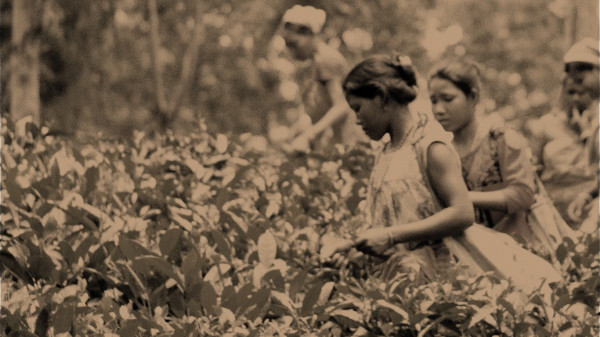
When people think of Assam tea, images of colonial plantations and the British East India Company often dominate the narrative. The story usually begins in 1823, when Robert Bruce reportedly discovered wild tea plants in the upper Brahmaputra Valley.
However, this version of history tells only half the story.
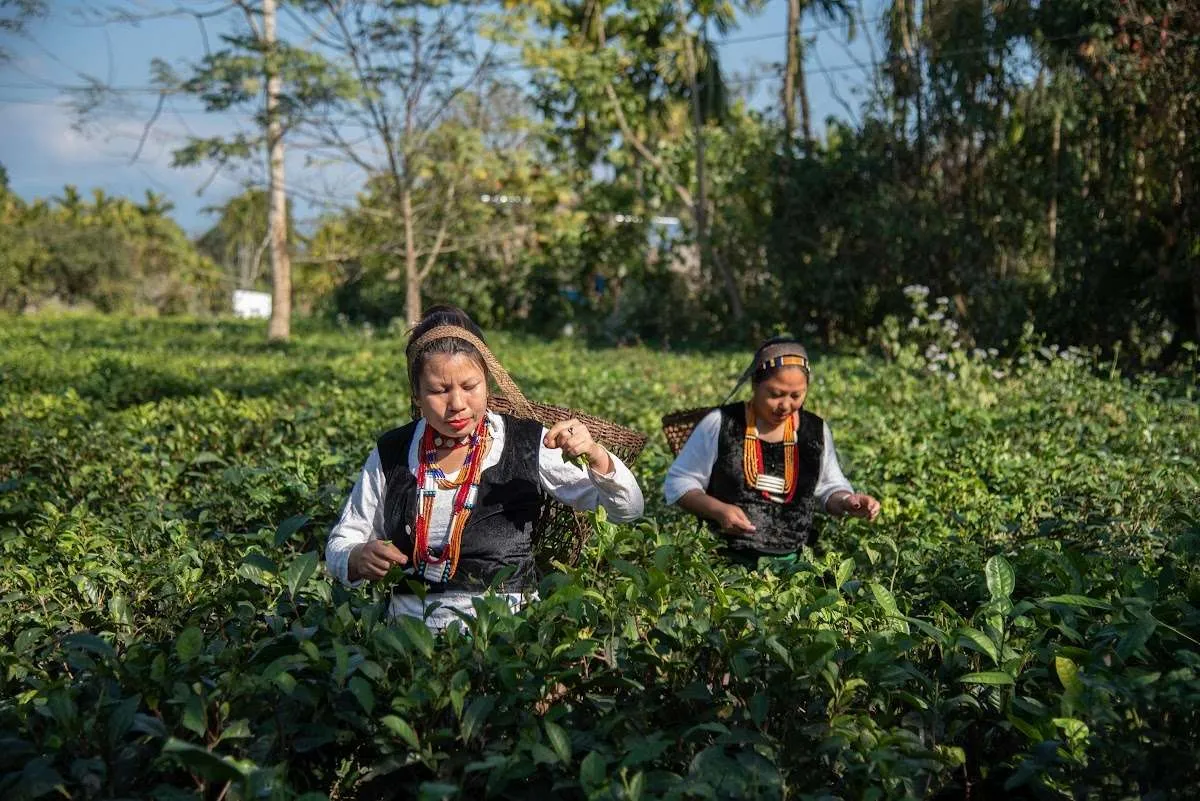
Long before British commercial interests arrived, indigenous communities of Assam, especially the Singpho tribe, had already identified, processed, and consumed tea as part of their daily lives. The roots of Assam tea are not colonial imports. They are indigenous.
Tea in Assam Before the British
The wild tea plant, Camellia sinensis var. assamica, grew naturally in the forests of Upper Assam. Indigenous tribes such as the Singpho and Khamti were familiar with this plant centuries before British intervention.
For these communities, tea was not a commodity. It was:
-
A daily beverage
-
A medicinal remedy
-
A source of energy
-
A cultural practice
Oral traditions suggest that the Singpho tribe may have been brewing tea as early as the 12th century.
The Singpho Tribe: India's Original Tea Artisans
The Singpho community, inhabiting regions of Northeast India, Myanmar, and parts of China, developed a unique tea-processing technique long before the colonial period.
Traditional Method of Making Phalap Tea
Their traditional tea, known as Phalap, follows a distinctive preparation process:
-
Fresh tea leaves are heated in a metal pan until they turn brown.
-
The leaves are sun-dried for several days.
-
They are tightly packed into hollow bamboo tubes.
-
The bamboo is smoked over fire for about a week.
-
The leaves ferment and harden into the cylindrical shape of the bamboo.
The result is a smoky, rich, bamboo-aged tea with a strong flavour profile that differs significantly from commercial Assam tea.
Phalap remains a cultural symbol within the Singpho community.
Meaning and Legend of Phalap
According to oral tradition, the word Phalap is derived from:
-
Pha or Kha meaning "what"
-
Lap meaning "leaf"
A popular legend narrates that two brothers, exhausted during travel, chewed an unknown leaf that revived their energy. Curious about its power, they began experimenting with it. This story, passed down generations, symbolizes the indigenous discovery of tea's revitalizing properties.
Tea as Medicine and Daily Ritual
For the Singpho people, tea was more than a beverage. It functioned as a natural medicinal elixir believed to support digestion and provide stamina.
The knowledge of tea preparation was considered a closely guarded tribal tradition. This expertise formed part of community identity and daily sustenance long before global commercialization.
The British Encounter: 1823 and After
In the early 19th century, the British were eager to break China's monopoly over tea. During this search, Robert Bruce learned about wild tea plants in Assam through Singpho chief Bessa Gaum, also spelled Bisa Gam, in the early 1820s.
This interaction marked the beginning of British interest in Assam's native tea plants.
Later, another Singpho chief, Nigro La, initiated one of the earliest tea plantations in Assam, introducing the native plant to British administrators. This collaboration played a critical role in the eventual expansion of tea cultivation.
The tea was never introduced by the British. It was discovered by them through indigenous knowledge.
From Indigenous Practice to Colonial Industry
By 1833, the first government-backed tea garden was established in Assam. Initially, the British experimented with Chinese tea varieties. However, they eventually realized that the indigenous Camellia sinensis var. assamica was far better suited to Assam's climate and soil conditions.
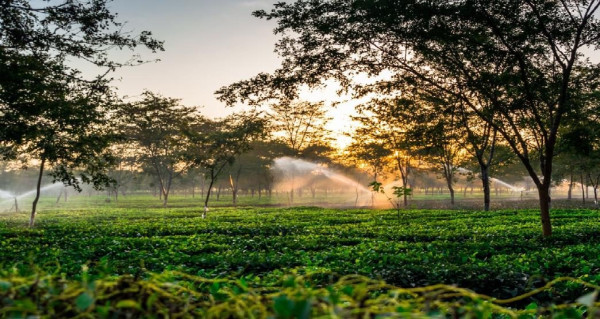
Large-scale plantations soon replaced forest-based community practices. Tea shifted from a localized cultural tradition to a global export commodity.
In this transformation, centuries of tribal knowledge were often overshadowed by the narrative of colonial enterprise.
A Tale of Two Histories
There are two parallel histories of Assam tea:
-
The commercial history begins with British plantation development.
-
The indigenous history is rooted in Singpho and Khamti traditions.
While colonial records emphasize discovery and industry, indigenous communities had already mastered cultivation, processing, and consumption.
Recognizing both histories provides a more complete understanding of Assam's tea heritage.
Preservation of Singpho Tea Traditions
Today, cultural historians and enthusiasts are working to document and preserve traditional Phalap-making techniques.
The smoky, bamboo-aged flavour of Phalap represents a living archive of Assam's pre-colonial tea culture. It reminds us that tea in India did not originate in plantation estates but in forest communities.
Preserving these practices ensures that indigenous contributions are not erased from mainstream narratives.
Conclusion: The True Legacy of Assam Tea
The next time you drink a cup of strong Assam tea, remember that its story extends beyond colonial plantations.
Its roots lie in the forests of Upper Assam, in the hands of Singpho artisans who understood the value of the leaf long before it became a global commodity.
The British may have commercialized Assam tea, but its origins are undeniably indigenous.
Understanding this layered history honors the original custodians of the land and restores balance to Assam's tea narrative.