Abandoned Tea Bungalows of Assam: Colonial Heritage, Hidden Stories and Historic Estates
Introduction: Shadows Across the Tea Gardens of Upper Assam
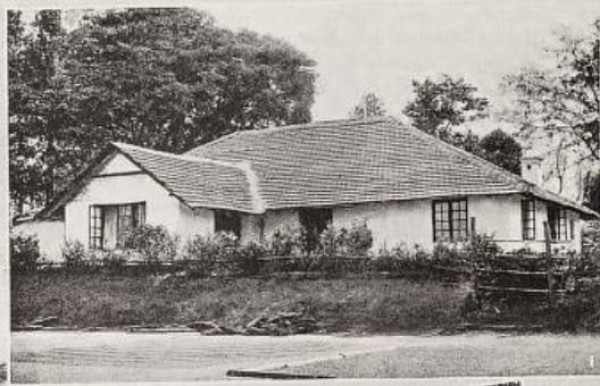
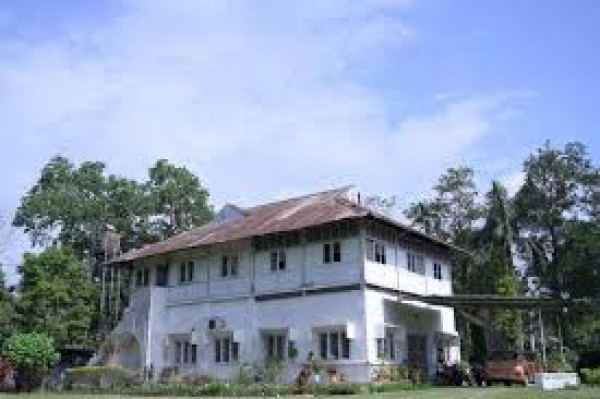
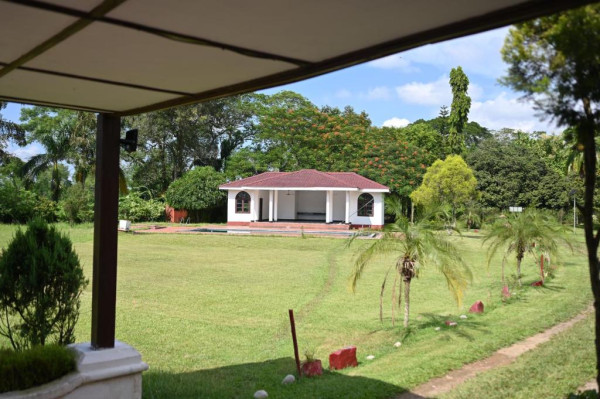
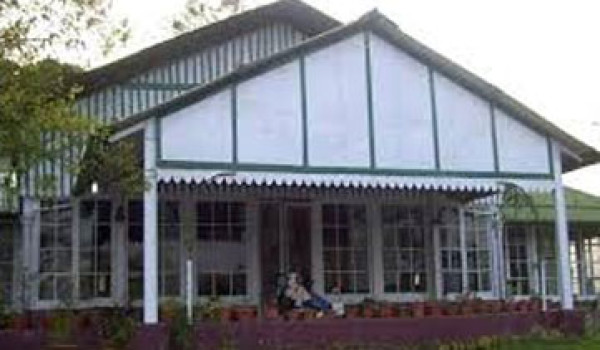
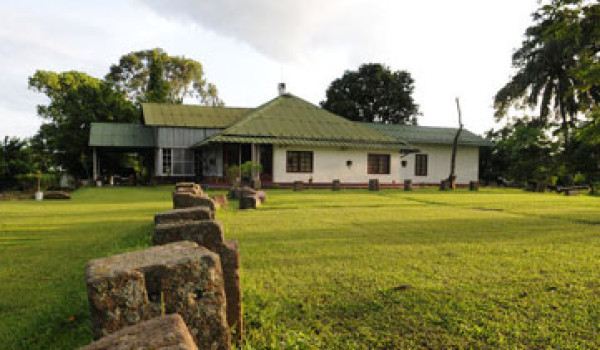
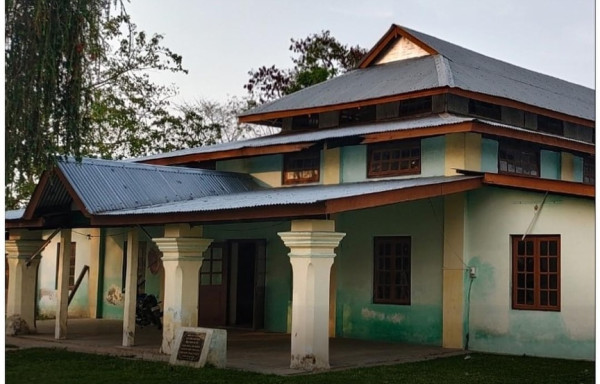
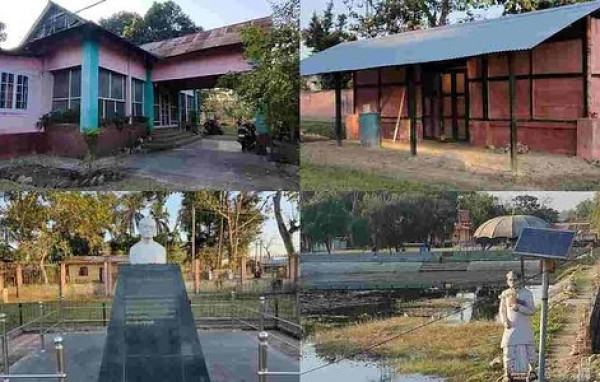
Across Upper Assam, where endless tea bushes stretch like an emerald ocean along the Brahmaputra valley, stand some of the most fascinating yet forgotten structures in Indian colonial history. The abandoned tea bungalows of Assam are not merely old houses. They are symbols of power, isolation, romance, privilege, struggle and transformation.
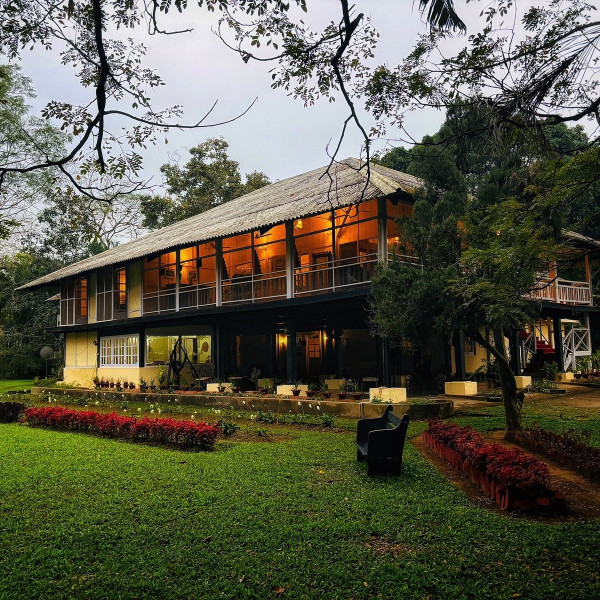
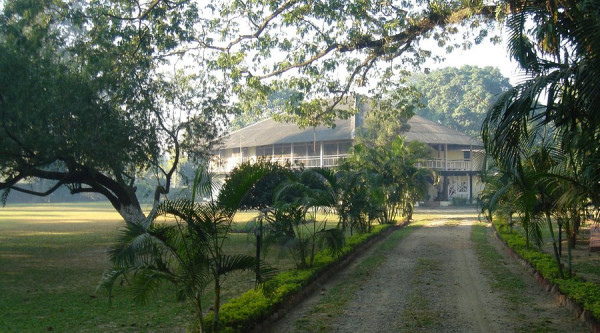
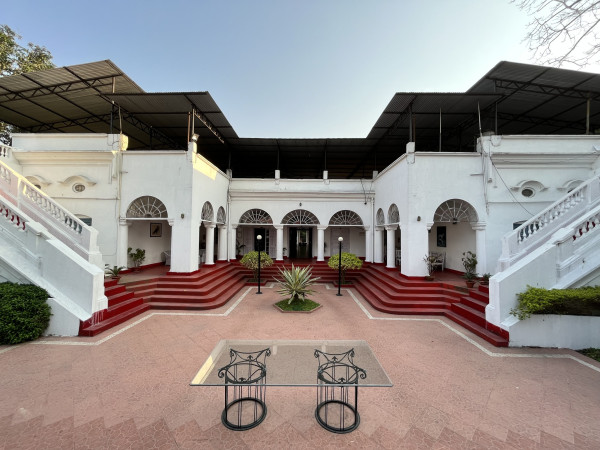
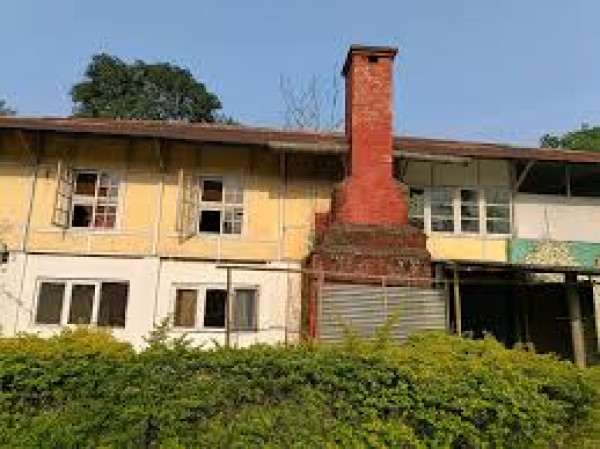
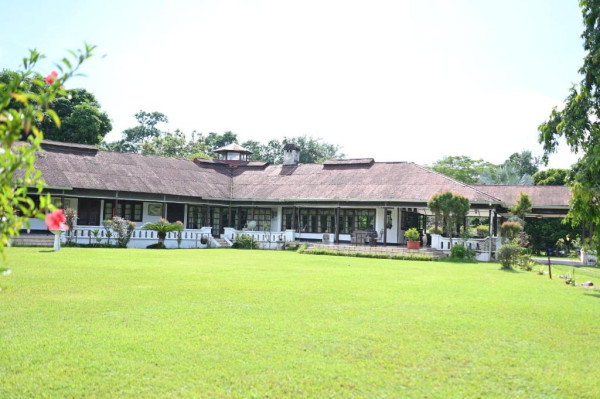
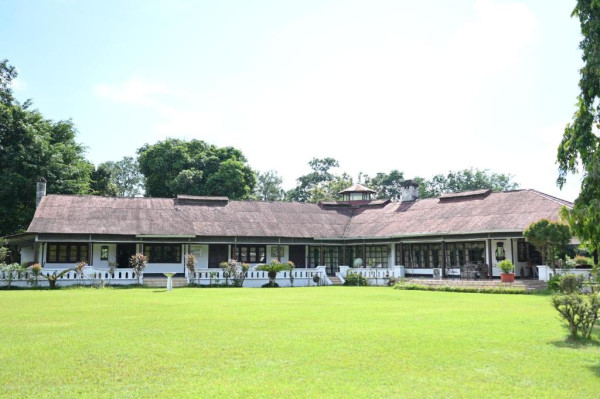
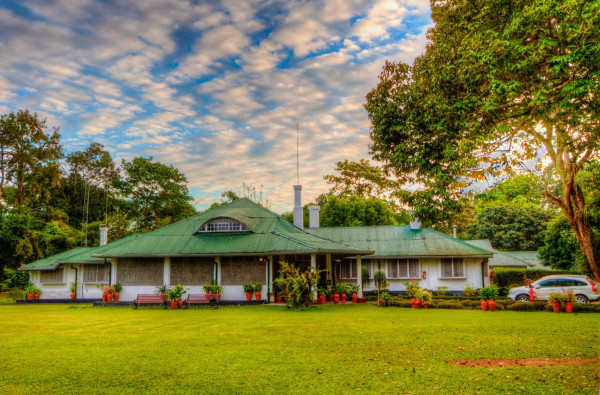
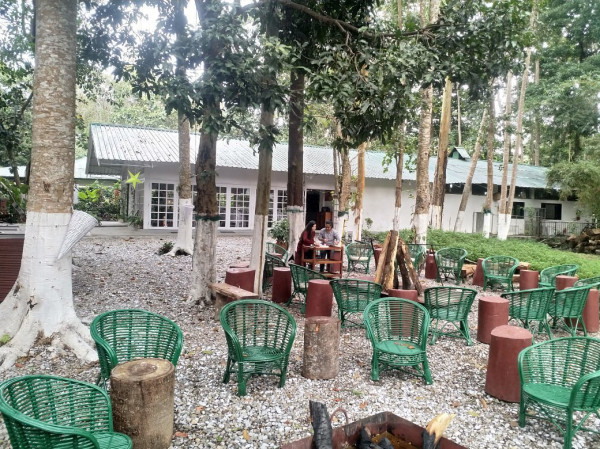
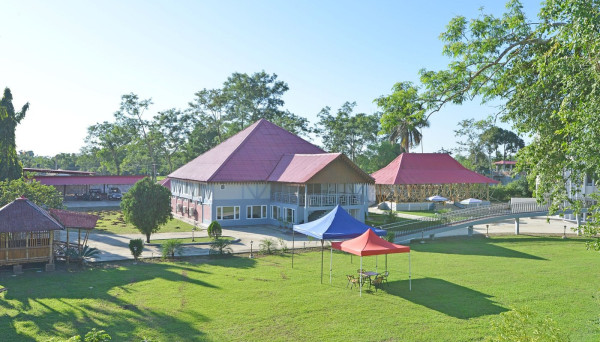
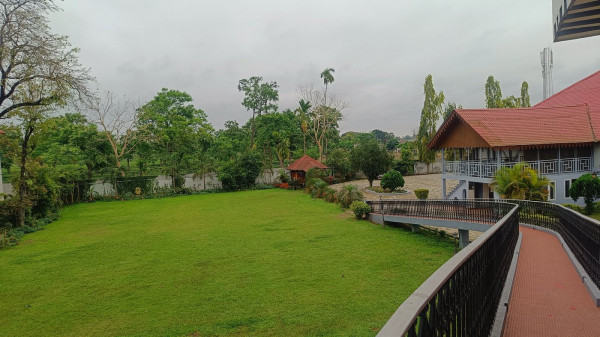
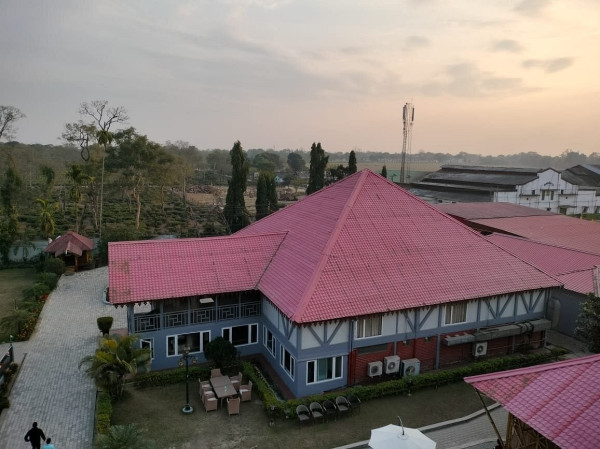
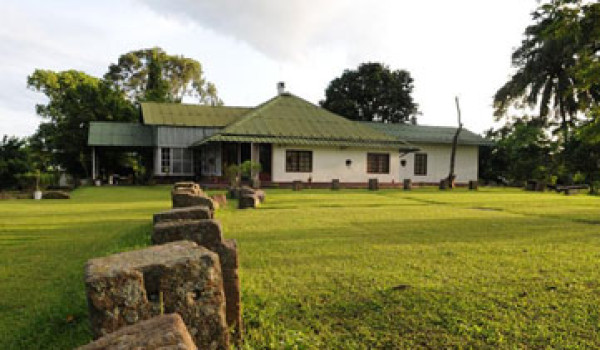
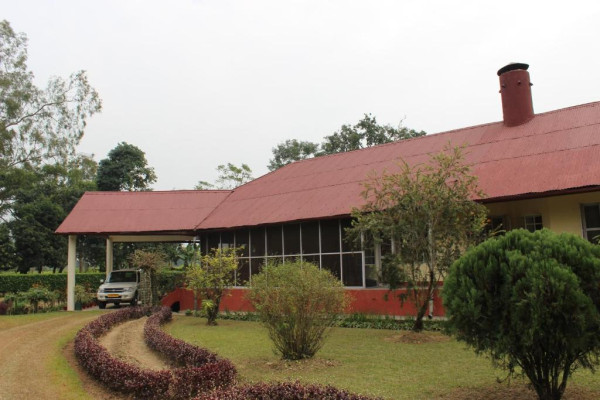
Built during the British tea plantation era of the 19th and early 20th centuries, these sprawling residences once housed planters, managers and visiting agents. Today, some have been restored as heritage properties, while others remain silent, slowly reclaimed by monsoon rain and creeping vines.
These tea garden bungalows reflect both grandeur and irony. While planters lived in colonial comfort, tea tribes worked under harsh conditions in Coolie Lines. Together, these spaces shaped Assam's tea history.
The Architecture of the Chang Bungalows
The iconic tea garden bungalow followed a distinct architectural pattern.
Raised on Stilts
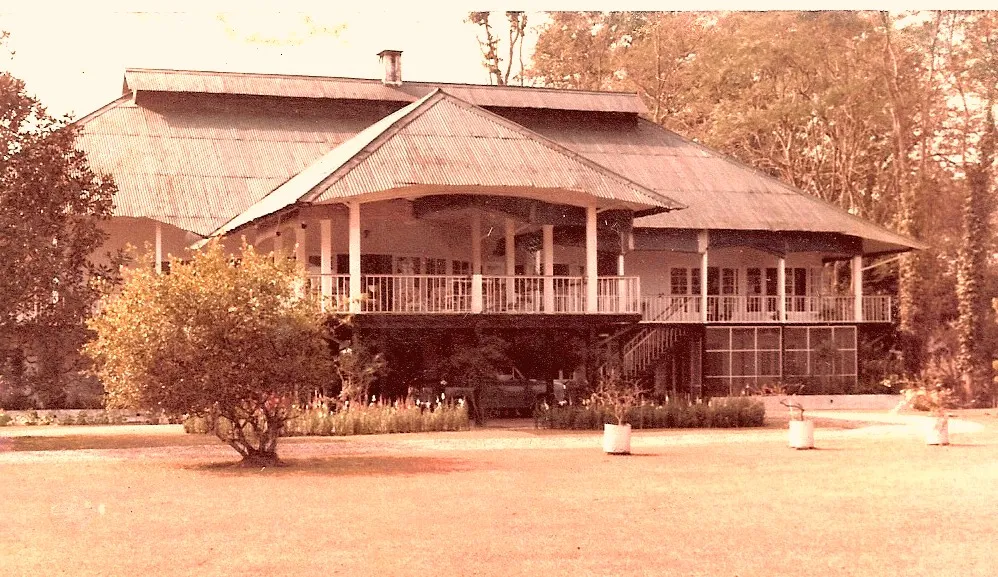
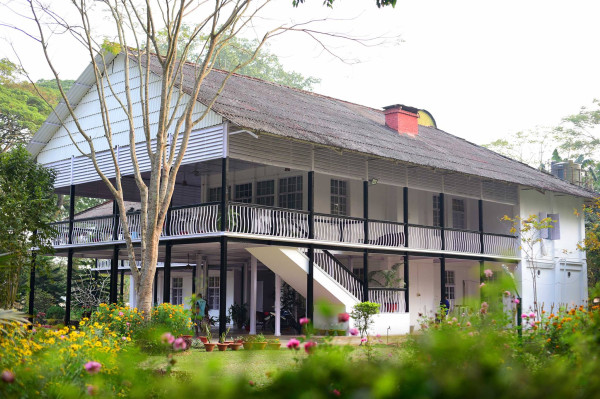
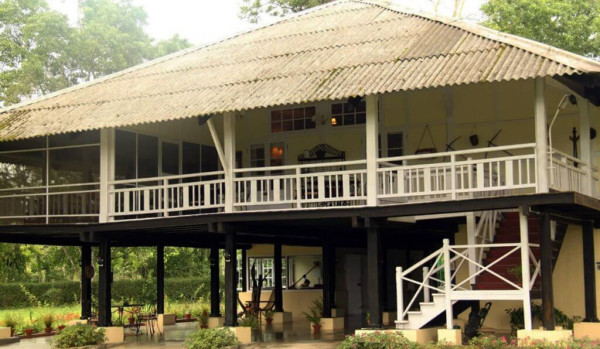
Most early bungalows were built as Chang structures, raised on wooden stilts. This elevation protected homes from:
-
Flooding during monsoon
-
Dampness and termites
-
Wild animals in dense forests
Colonial Grandeur
Typical features included:
-
Wide sweeping verandahs
-
High ceilings
-
Teak wood pillars
-
Large fireplaces in living and dining rooms
-
Spacious dining halls
-
Wooden flooring
-
Expansive compounds
The design blended European lifestyle preferences with Assamese materials such as bamboo and local hardwood.
Forgotten Stories and Folklore
1) Haunted Echoes of Doom Dooma
In parts of Tinsukia and Dibrugarh, stories circulate about a bungalow built in 1951 where a planter's child reportedly died under mysterious circumstances. The family's sudden departure and subsequent labor unrest intensified rumors of a lingering presence in the abandoned estate. Though unverified, such folklore remains embedded in local memory.
2) The Last Burra Sahib of Mancotta
At Mancotta Tea Estate in Dibrugarh, it is often recalled that the last British superintendent, Duncan Hayes, lived in quiet isolation before the estate transitioned to Indian management after 1947. His lifestyle symbolized the divide between planter privilege and worker hardship.
3) The Chameli Memsaab Story
The Chameli Memsaab Bungalow in Cinnamora Tea Estate, Jorhat, gained fame due to the 1975 Assamese romantic drama Madam Chameli. The bungalow is associated with a tragic love story between a British planter named Berkeley and a local tea garden worker named Chameli. The film immortalized this narrative and turned the estate into a cultural landmark.
Notable Heritage Tea Bungalows of Assam
Below are significant tea estate bungalows that preserve Assam's colonial tea legacy.
1) Kaziranga Golf Resort, Jorhat
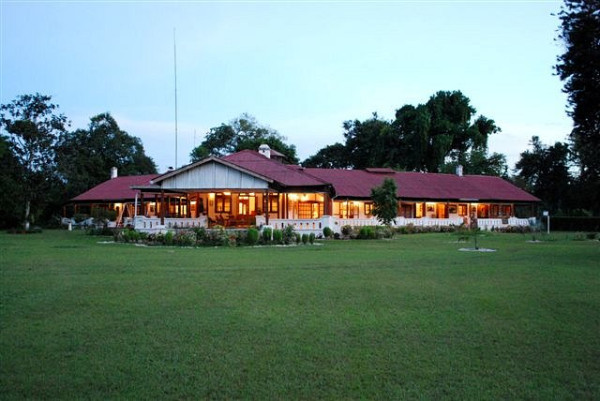
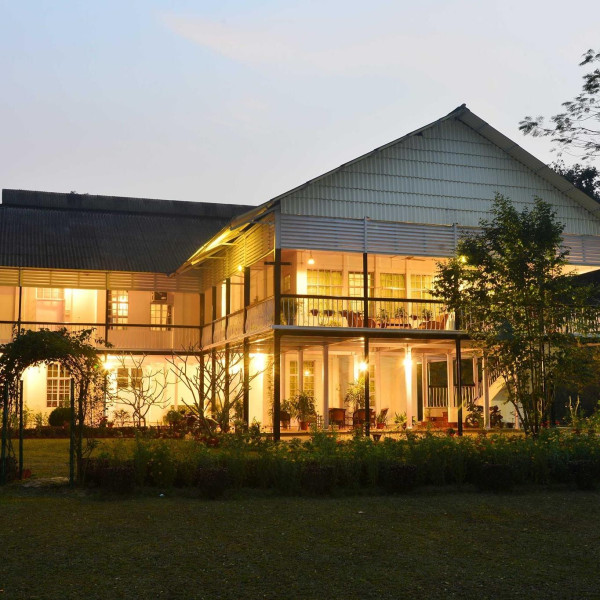
Also known as Burra Sahib's Bungalow, this 125-year-old heritage structure stands within Sangsua Tea Estate. Originally used by George Williamson as a visiting agent's residence, it was constructed using steel imported from the UK.
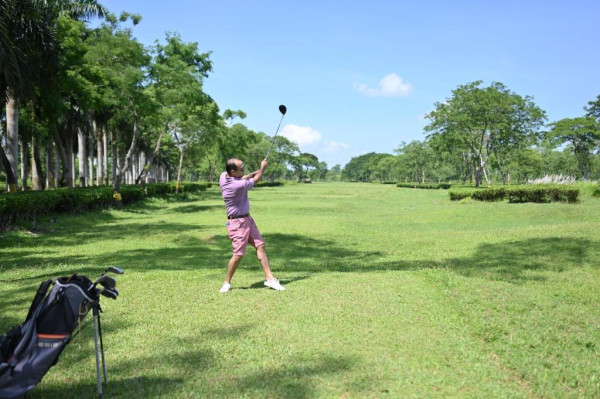
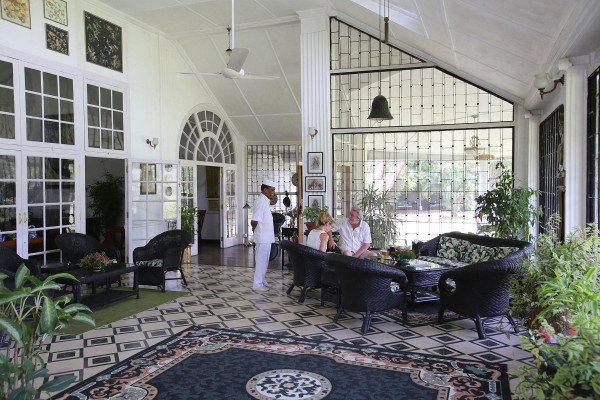
Today the property spans over 10,000 sq. ft. and combines colonial architecture with Assamese cultural elements. It includes heritage rooms, fireplaces, a colonial lounge, library and landscaped grounds, reflecting the planter era lifestyle.
2) Mancotta Heritage Tea Bungalow, Dibrugarh
Located within Mancotta Tea Estate, this Chang bungalow is a remarkable wooden structure built entirely without iron nails. Wooden pegs, reportedly crafted by Chinese artisans, hold the flooring together.
Originally belonging to British Indian Tea Company, the estate changed management in 1970. The bungalow was converted into a heritage property in 2001. It represents authentic colonial tea estate architecture and planter life.
3) Wathai Heritage Bungalow
Situated near the Dibru River and close to Dibru Saikhowa National Park, this century-old manager's bungalow originated under Eastern Assam Tea Company.
The structure preserves original flooring, antique furniture and colonial layout. It has passed through multiple ownership transitions yet continues to reflect the tea estate management culture of Upper Assam.
4) Chameli Memsaab Bungalow, Jorhat
Located inside Cinnamora Tea Estate, this bungalow once belonged to Maniram Dewan, one of Assam's pioneering tea personalities. Spread across three acres, the bungalow gained prominence after the filming of Madam Chameli.
The two-story structure offers insight into tea plantation life and remains associated with the tragic romance that shaped Assamese cinema history.
5) Thengal Manor, Jorhat
Constructed in 1929 by Rai Bahadur Siva Prasad Barooah, Thengal Manor is one of Assam's most historically significant mansions.
Important milestones:
-
Hosted the launch of Dainik Batori, the first Assamese daily newspaper in 1935.
-
Damaged in the 1943 and 1950 earthquakes.
-
Restored in 1965 but remained largely unused.
-
Considered for museum conversion but preserved as a residential heritage property.
The manor reflects Assamese elite society during the colonial and early post-independence period.
6) Banyan Grove, Jorhat
Located in Gatoonga Tea Estate, this 100-year-old bungalow once housed the Factory Assistant Manager, known as Mistry Sahib.
Spanning over 9000 sq. ft. with seven bedrooms and fireplaces, it represents the gracious tea planter lifestyle. The estate grounds extend across two hectares and preserve the colonial aesthetic.
7) Wild Mahseer Heritage Bungalow, Balipara near Tezpur
This 145-year-old British-era estate spreads across 22 acres. The Burra Bungalow section features heritage rooms surrounded by tea gardens and natural landscapes.
The property reflects the integration of tea heritage with ecological conservation initiatives in the Eastern Himalayan region.
8) Sapoi Tea Farms Heritage Bungalow, Dhekiajuli
Established in 1914 by the Keshav Kanoi family, this heritage bungalow stands amid 2,600 acres of tea plantations.
With over a century of history, the property reflects a five-generation tea legacy, old-world architecture and traditional plantation management culture.
9) Manohari Tea Retreat, Dibrugarh
Located in Upper Assam's tea heartland, this colonial property is associated with Manohari Gold Tea, one of the world's most expensive specialty teas.
The estate offers insights into orthodox and CTC tea production methods and preserves its colonial-era character.
10) Koliabor Manor Resort Heritage Bungalows
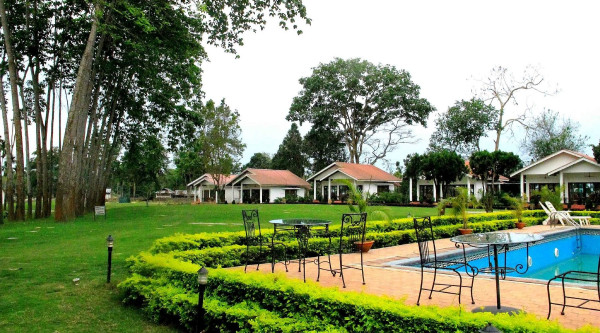
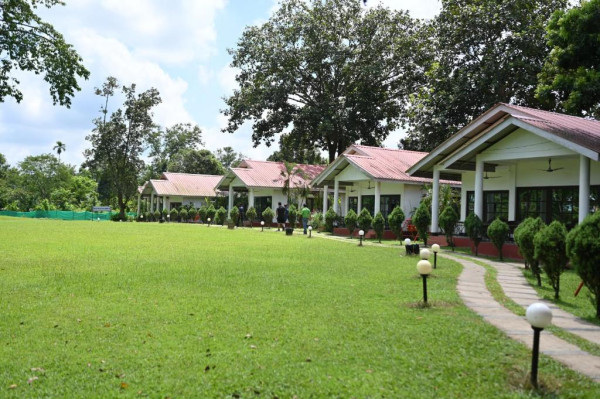
This converted heritage tea estate property consists of four heritage bungalows and six cottages. Designed to preserve colonial aesthetics, the interiors feature wooden flooring and spacious verandahs reminiscent of early tea plantation architecture.
11) Bholaguri Tea Estate and Joymoti
Bholaguri Tea Estate in Gohpur holds cinematic significance. In 1935, Jyotiprasad Agarwala filmed Joymoti, Assam's first feature film, here. The estate symbolizes the intersection of tea culture and Assamese cultural renaissance.
Social Contrast: The Untold Reality
While planters enjoyed isolation and luxury, tea tribes brought from central India lived in crowded Coolie Lines with limited facilities. The wealth of the tea empire was built on its labor.
The abandoned bungalows therefore, represent both privilege and inequality in Assam's colonial history.
Threats and Preservation Challenges
Many heritage tea bungalows face:
-
High maintenance costs
-
Structural damage due to earthquakes
-
Encroachment
-
Replacement by modern constructions
Though some initiatives support restoration, many remain at risk of disappearing.
Why These Bungalows Matter
The abandoned tea bungalows of Assam are:
-
Architectural heritage landmarks
-
Cultural memory sites
-
Witnesses to colonial economy
-
Symbols of Assam's tea industry evolution
-
Important to understanding tea tribe history
They preserve stories of tea, conflict, romance, migration and resilience.
Conclusion
The tea bungalows of Assam are more than elegant colonial structures. They are living archives of Assam's history. Whether restored or abandoned, they continue to narrate the layered story of tea planters, tea tribes, earthquakes, cinema, social change and cultural identity.
Preserving these estates ensures that Assam's tea heritage remains visible for generations to come.