Anti-Malarial Plants of Assam: Traditional Herbal Remedies of Indigenous Communities
Introduction: Malaria and Traditional Healing in Assam
Assam, located in Northeast India, has long been a malaria-endemic region due to its tropical climate, dense forests, and high humidity. For centuries, indigenous communities such as the Bodo, Mishing, Rabha, Sonowal Kachari, Karbi, and Dimasa have relied on locally available medicinal plants to treat malarial fever and associated symptoms.
Ethnomedicinal knowledge in Assam is deeply rooted in observation, experimentation, and oral transmission. According to documented research, 45 plant species belonging to 30 families are traditionally used in Assam for malaria treatment. Leaves are the most commonly used plant part, followed by roots and bark.
With increasing drug resistance in Plasmodium parasites, documenting these herbal remedies is gaining scientific importance.
Botanical Diversity and Malaria Treatment in Assam
Assam lies between 24°02'–27°06'N latitude and 89°08'–96°E longitude, covering approximately 78,438 sq. km, of which around 23,688 sq. km is forested. The region hosts more than 500 medicinal plants used by tribal communities for various ailments, including malaria.
Research surveys in malaria-prone districts such as Dhemaji, Dibrugarh, Nagaon, Morigaon, Kamrup, Baksa, and Goalpara confirmed extensive use of herbal formulations by traditional healers.
Studies from the Ultapani forest range under the Manas Biosphere region identified 32 medicinal plants, of which five were specifically used against malaria.
Key Anti-Malarial Plants Used in Assam
Below is the refined and consolidated list of important plants traditionally used in malaria treatment.
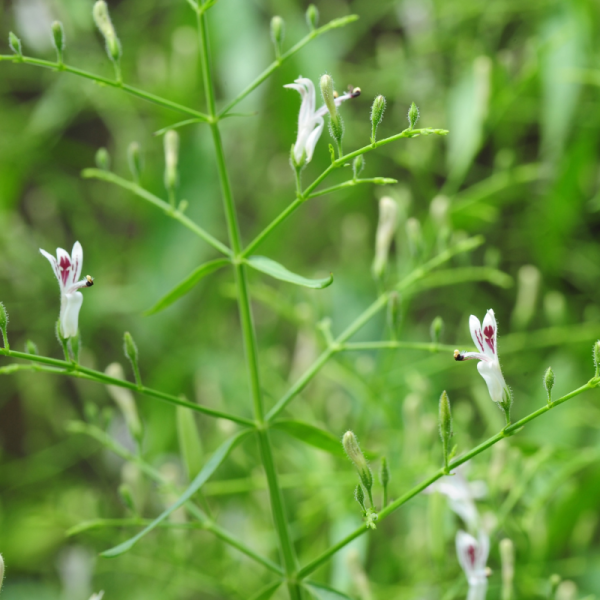
1. Kalmegh (Andrographis paniculata)
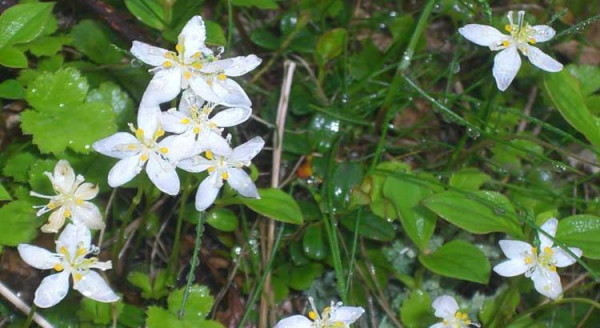
2. Mishmi Tita (Coptis teeta)
3. Neem (Azadirachta indica)
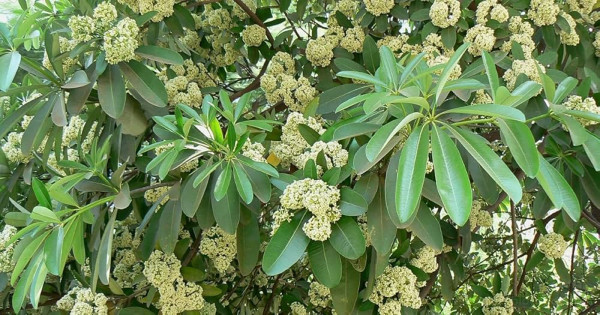
4. Satiyan Gachh (Alstonia scholaris)
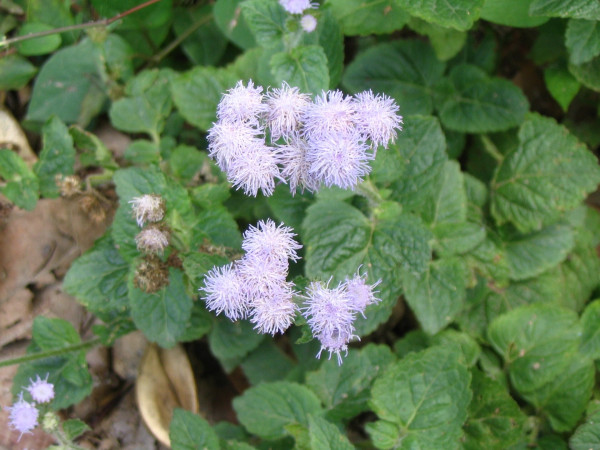
5. Ageratum conyzoides (Germany Bon)
6. Lataguti (Caesalpinia bonduc)
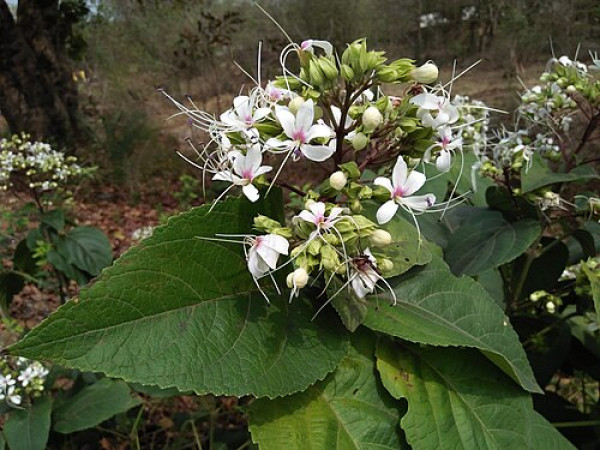
7. Dhopat Tita (Clerodendrum infortunatum)
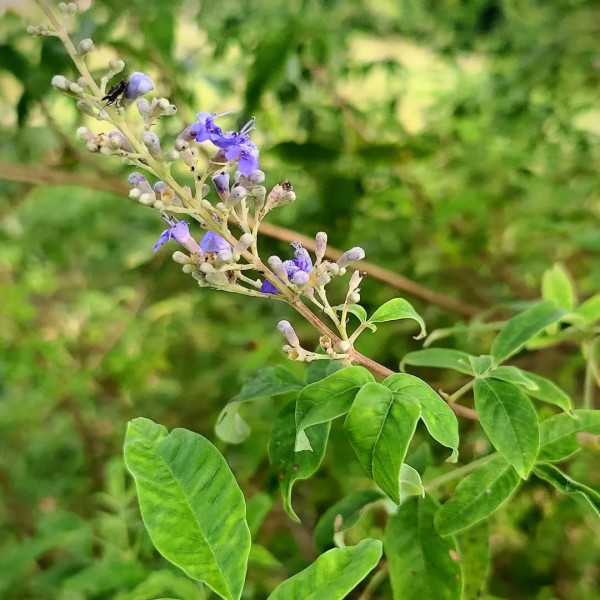
8. Posotia (Vitex negundo)
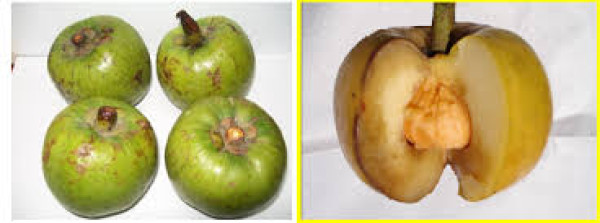
9. OTenga (Dillenia indica)
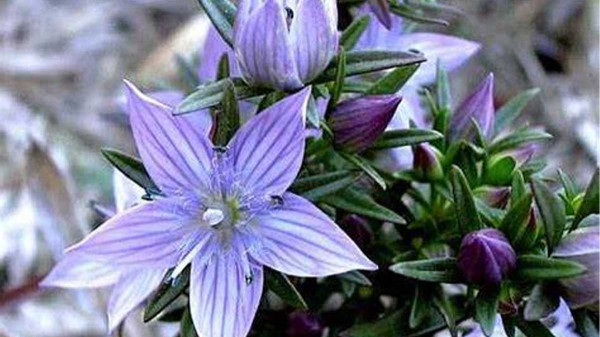
10. Swertia chirata (Chirata)
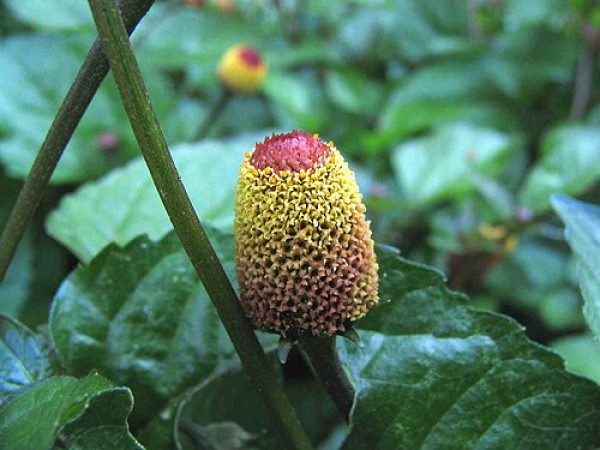
11. Spilanthes acmella (Piraja)
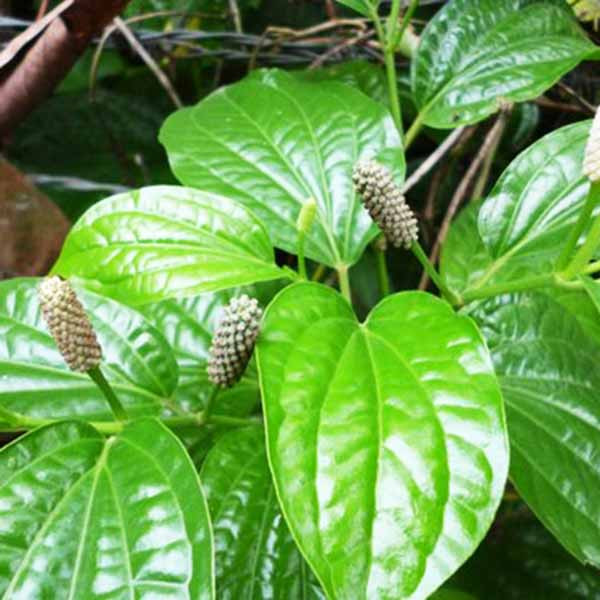
12. Piper longum (Pipoli)
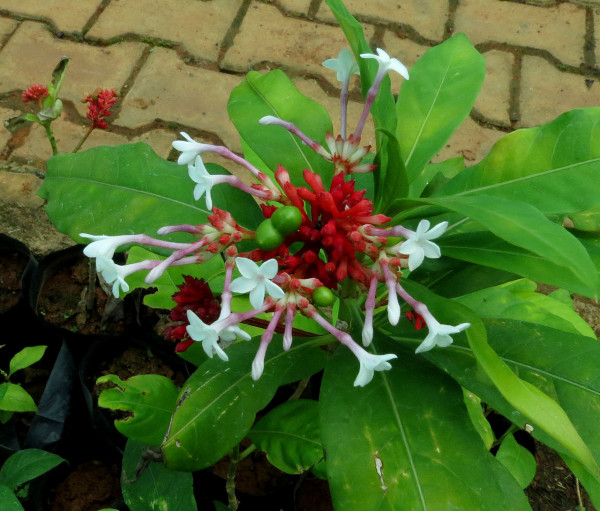
13. Rauwolfia serpentina (Sarpagandha)
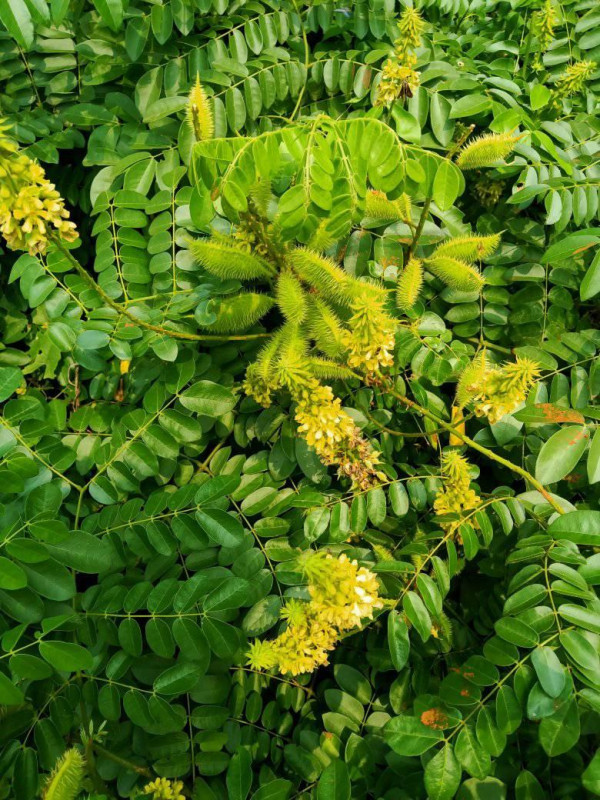
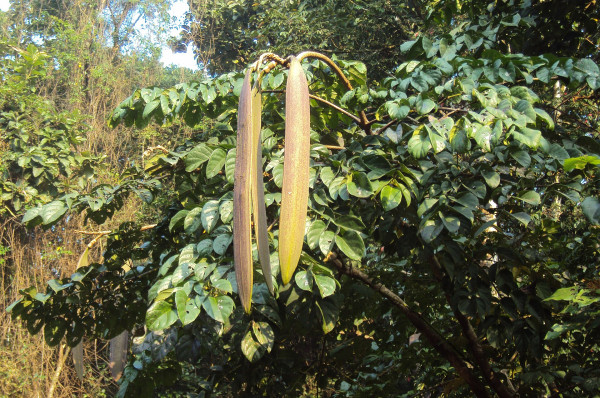
14. Oroxylum indicum
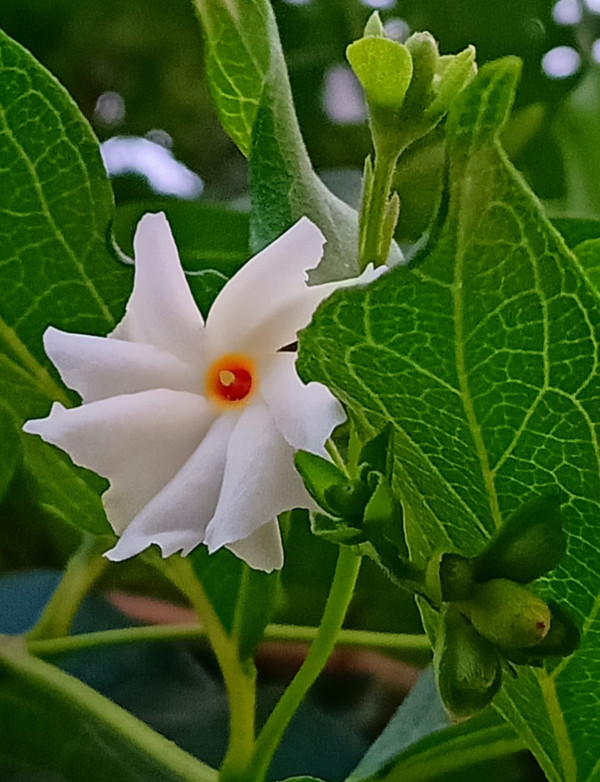
15. Nyctanthes arbor-tristis (Sewali)
Additional documented species include:
Adhatoda vasica, Argemone mexicana, Artemisia vulgaris, Asparagus racemosus, Cedrus deodara, Cinchona officinalis, Citrus medica, Curanga amara, Flemingia strobilifera, Gomphostemma parviflorum, Hedyotis scandens, Impatiens balsamina, Ichnocarpus frutescens, Musa paradisiaca, Paederia foetida, Phlogacanthus thyrsiformis, Physalis minima, Phoebe goalparensis, Piper nigrum, Rubus rugosus, Stemona tuberosa, Solanum myriacanthum, Tinospora sinensis, Trema orientalis, Withania somnifera, and Xanthium strumarium.
These collectively form the documented 45 anti-malarial plant species of Assam.
Modes of Preparation
Traditional healers rarely rely on a single plant. Remedies are often polyherbal and prepared using:
-
Decoction: Boiling leaves or bark in water
-
Infusion: Extracting juice from crushed plant material
-
Powder: Grinding dried roots or seeds
-
Maceration: Soaking plant parts
-
Direct crushing for fresh administration
-
Aromatic applications and herbal baths
Leaves are the most frequently used plant part, followed by roots and stem bark.
Bioactive Compounds Identified
Phytochemical investigations have identified alkaloids, coumarins, quassinoids, sesquiterpene lactones, triterpenoids, limonoids, and quinines as active anti-plasmodial compounds in many of these plants.
Research Importance and Documentation
Globally, malaria remains a major health challenge. Nearly 40 percent of the world's population lives in malaria-risk zones. In rural Assam, traditional herbal remedies continue to play a significant role in primary healthcare.
However, the therapeutic index and dosage calculations used by traditional practitioners are not scientifically standardized. Therefore, laboratory validation, phytochemical screening, and clinical trials are essential to confirm safety and efficacy.
Threat to Traditional Knowledge
Most of this knowledge is preserved orally by elderly community members. Modernization and declining interest among younger generations pose a serious threat to its survival. Proper documentation and conservation of medicinal flora are essential for future drug development and sustainable healthcare.
Conclusion
Assam's indigenous communities have preserved an extensive herbal system for malaria management using 45 documented plant species across 30 families. These remedies, largely leaf-based preparations, represent a valuable ethnobotanical resource.
Scientific validation of these plants may contribute to the development of cost-effective and eco-friendly anti-malarial drugs in the future.
Important Note
Malaria is a serious infectious disease. Traditional remedies may provide supportive relief but should not replace professional medical treatment. Always consult qualified healthcare professionals for diagnosis and treatment.
List of 45 Anti-Malarial Plants of Assam
| S. No | Scientific Name | Local/Other Name |
|---|---|---|
| 1 | Adhatoda vasica | Bosa |
| 2 | Ageratum conyzoides | Jarmany Bon |
| 3 | Alstonia scholaris | Satina |
| 4 | Alpinia nigra | Tora |
| 5 | Andrographis paniculata | Sirata / Kalmegh |
| 6 | Argemone mexicana | Siyalpaduri |
| 7 | Artemisia vulgaris | Chirota |
| 8 | Asparagus racemosus | Satmul |
| 9 | Caesalpinia bonduc | Lataguti |
| 10 | Cedrus deodara | Deodaro |
| 11 | Cinchona officinalis | Cinchona |
| 12 | Citrus medica | Sauphria |
| 13 | Coptis teeta | Mishmi Tita |
| 14 | Cucumis sativus | Tioh |
| 15 | Curanga amara | Bhui-tita |
| 16 | Clerodendrum infortunatum | Dhopat Tita |
| 17 | Clerodendron colebrookianum | Dhopat Tita |
| 18 | Dillenia indica | Ow-Tenga |
| 19 | Flemingia strobilifera | Makhioti |
| 20 | Gomphostemma parviflorum | Bhedaitita |
| 21 | Hedyotis scandens | Jarmadawai |
| 22 | Impatiens balsamina | Kanphuli-phul |
| 23 | Ichnocarpus frutescens | Lomakandol |
| 24 | Musa paradisiaca | – |
| 25 | Nyctanthes arbor-tristis | Sewali |
| 26 | Ocimum gratissimum | Ram Tulsi |
| 27 | Oroxylum indicum | – |
| 28 | Paederia foetida | Bhedailota |
| 29 | Phlogacanthus thyrsiformis | Tita Bahaka |
| 30 | Physalis minima | Kopal Phuta |
| 31 | Phoebe goalparensis | Bonsom |
| 32 | Piper nigrum | Jaluk |
| 33 | Piper longum | Pipoli |
| 34 | Rauwolfia serpentina | Sarpagandha |
| 35 | Rubus rugosus | Jetuli Poka |
| 36 | Swertia chirayita | Chirata |
| 37 | Stemona tuberosa | Tita Satmul |
| 38 | Solanum myriacanthum | Kota Bengena |
| 39 | Spilanthes paniculata | Piraza |
| 40 | Spilanthes acmella | Piraja |
| 41 | Tinospora sinensis | Amgrush |
| 42 | Trema orientalis | Phadam |
| 43 | Vitex negundo | Posotia / Nishinda |
| 44 | Withania somnifera | Ashwagandha |
| 45 | Xanthium strumarium | Agora |
Most of these plants are used in traditional decoctions, infusions, powders, or juiced extracts for fever and malaria symptom relief. Leaves are the most frequently used plant part, followed by roots and then stem/bark. Many have scientifically documented bioactive compounds with antiplasmodial activity (e.g., Andrographis paniculata, Azadirachta indica). This list was compiled from ethnobotanical research studies and tribal healing traditions in Assam.
Medical Disclaimer*: The information shared in this article about anti-malarial plants of Assam is for educational purposes only. These traditional remedies are based on indigenous knowledge and should not replace professional medical treatment. Malaria is a serious disease requiring proper diagnosis and care. Always consult a qualified healthcare provider before using any herbal remedies mentioned here.