Introduction: When Bagurumba Became a Cultural Movement
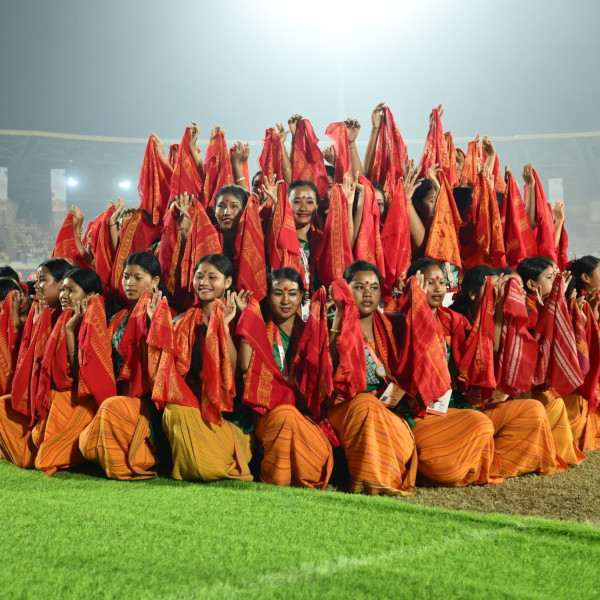
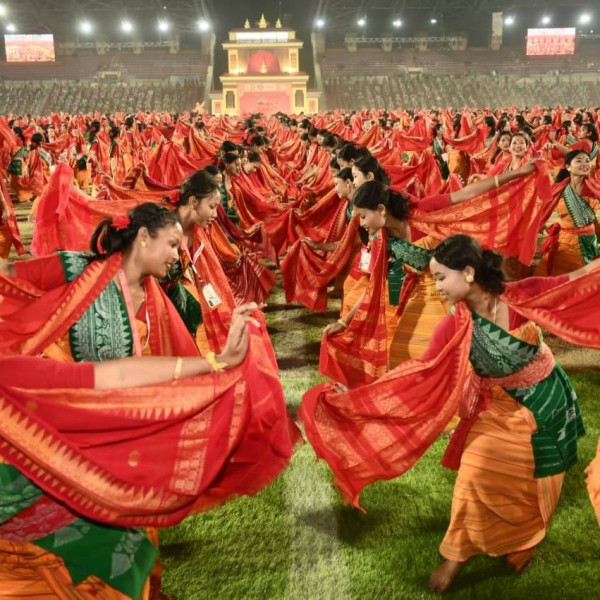
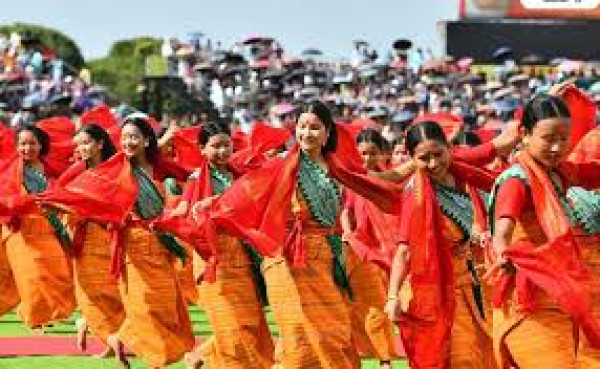
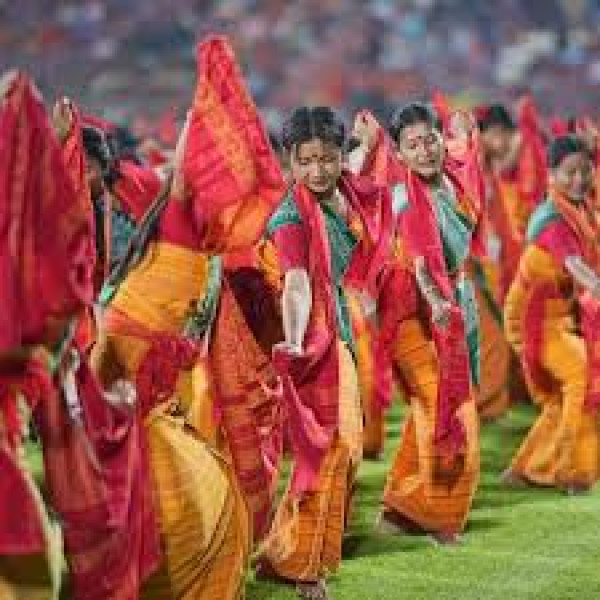
On January 17, 2026, Guwahati witnessed one of the largest cultural spectacles in Assam's history. More than 10,000 Bodo artists performed the traditional Bagurumba dance in perfect synchronization at Sarusajai Stadium during the grand event titled Bagurumba Dwhou 2026.
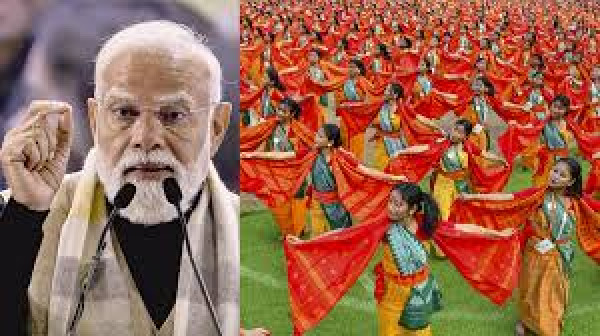
The event was attended by Prime Minister Narendra Modi and Assam Chief Minister Dr. Himanta Biswa Sarma, marking its national importance. What unfolded that evening was not just a dance performance but a historic moment of cultural resurgence, unity, and pride for the Bodo community.
The Historic Milestone
Bagurumba Dwhou 2026 set a massive cultural benchmark:
-
Over 10,000 Bodo artists performed together in a synchronized display
-
Venue: Sarusajai Stadium, Guwahati
-
Date: January 17, 2026
-
Artists represented 81 legislative constituencies across 23 districts of Assam
-
The performance was witnessed by Prime Minister Narendra Modi
This large-scale presentation followed earlier grand cultural showcases like Bihu Binandini in 2023 and Jhumoir Binandini, reinforcing Assam's commitment to promoting indigenous traditions on a global platform.
What is Bagurumba?
Bagurumba, often called the Butterfly Dance, is one of the most significant folk dances of the Bodo community. It is deeply inspired by nature. The graceful hand movements and rhythmic steps reflect butterflies, birds, flowers, rivers, and the harmony of the natural world.
The dance is traditionally performed during the Bwisagu festival, symbolizing renewal, respect for nature, and community bonding.
Traditionally:
-
Women perform the dance
-
Men play the musical instruments
-
Dancers wear vibrant handwoven attire including dokhna, jwmgra, and aronai in bright red, yellow, and green shades
Traditional Instruments That Resonated Across the Stadium
The soul of the performance was amplified by traditional Bodo instruments:
-
Sifung (flute)
-
Kham (drum)
-
Serja
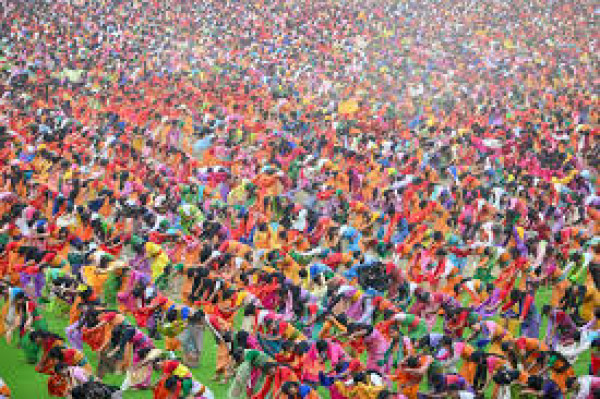
As thousands moved in rhythm to these instruments, Sarusajai Stadium transformed into a living canvas of color and culture.
Preparation Behind the Grand Showcase
The event was not spontaneous. It involved meticulous planning and statewide coordination.
-
25 cultural experts trained nearly 400 instructors at Shilpagram, Guwahati from January 4 to January 6
-
These instructors then trained around 10,000 artists across 81 constituencies from January 8 to January 10
-
Artists were brought to Guwahati for final rehearsals beginning January 12
-
Approximately 14,000 entry passes were distributed for public attendance
The event was organized by the Government of Assam with support from cultural bodies such as:
-
Bodo Harimu Afad
-
Bodo Sahitya Sabha
-
Dularai Bathou Gouthum
Cultural Affairs Minister Bimal Borah stated that the initiative aimed to place Bodo culture firmly on the global cultural map and boost tourism in the state.
Why Bagurumba Dwhou 2026 Went Viral
The event quickly dominated social media platforms including Instagram, YouTube, and Facebook.
Reasons for its viral impact:
-
Visual SpectacleDrone footage captured thousands of performers moving in flawless coordination, creating breathtaking aerial visuals.
-
Cultural PrideThe performance symbolized a new era of peace, harmony, and revival for the Bodo community.
-
National RecognitionThe presence of Prime Minister Narendra Modi gave the event national and international visibility.
-
Digital AmplificationClips of synchronized movements and traditional music spread rapidly across digital platforms, drawing global attention.
A Symbol of Cultural Resurgence
Bagurumba Dwhou 2026 was more than a record-breaking performance. It represented:
-
Revival of indigenous heritage
-
Strengthening of communal harmony
-
Promotion of Assam's diverse cultural identity
-
A boost to cultural tourism
Following the success of Bihu and Jhumoir showcases, Bagurumba's grand performance reaffirmed Assam's position as a vibrant cultural hub of India.
Impact on Tourism and Global Recognition
Government officials emphasized that such large-scale cultural events can:
-
Enhance Assam's global cultural visibility
-
Promote eco-cultural tourism
-
Attract domestic and international visitors
-
Strengthen the state's creative economy
By bringing together artists from 23 districts, the event demonstrated how cultural unity can shape a state's identity.
Conclusion
Bagurumba Fever was not just about numbers. It was about pride, identity, and history in motion. On January 17, 2026, when 10,000 artists moved together to the rhythms of Sifung and Kham, Assam did not just host a performance - it created history.
Bagurumba Dwhou 2026 will be remembered as a defining cultural milestone that elevated Bodo heritage to the global stage and inspired a renewed sense of belonging across Assam.